Day 8 - Galle, including Galle Fort
|
|
Arrival in the port of Galle followed
by
a morning tour around the impressive fort.
|
|
|
| |
Sunday 23rd February 2025 (AM)
|
|
|
After a quiet night
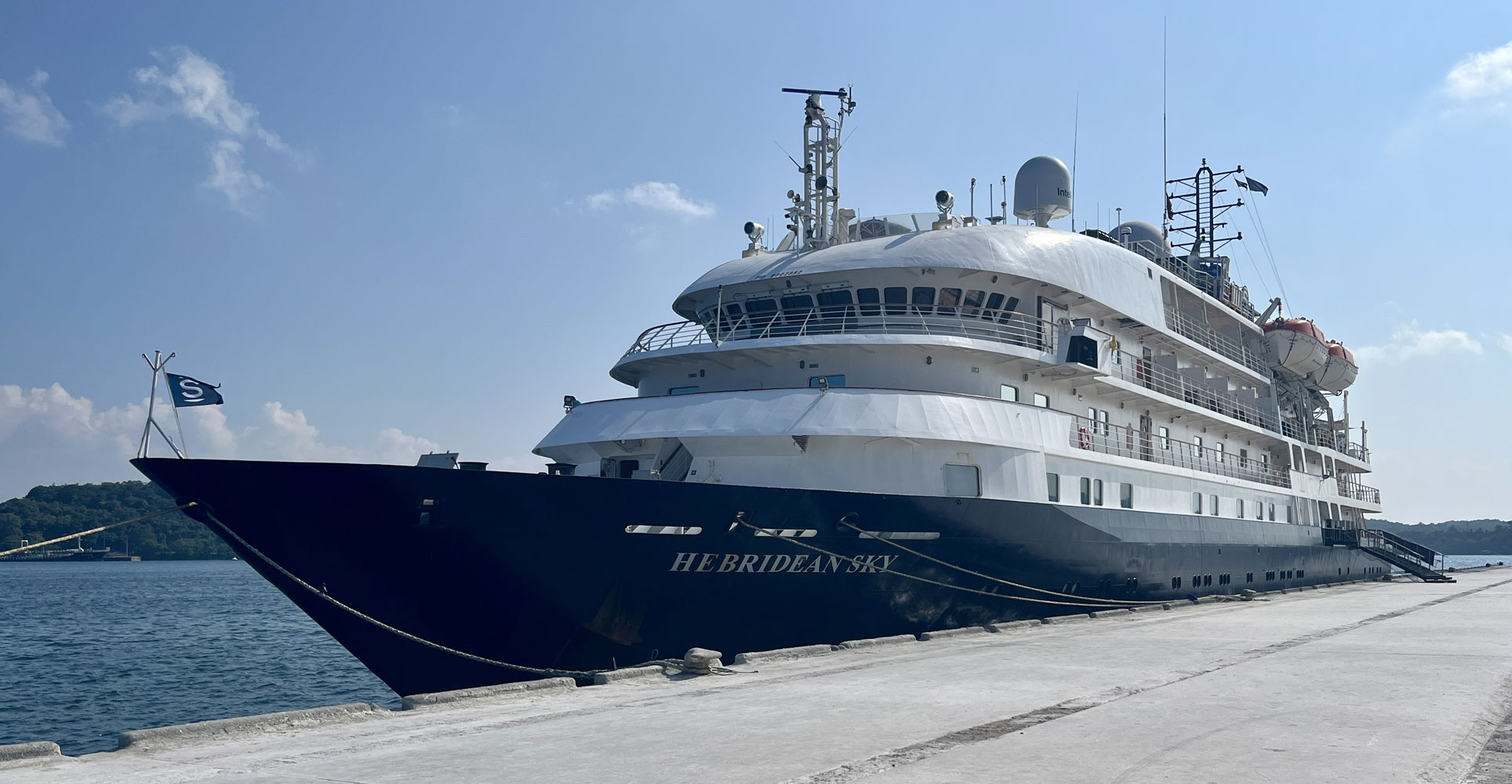
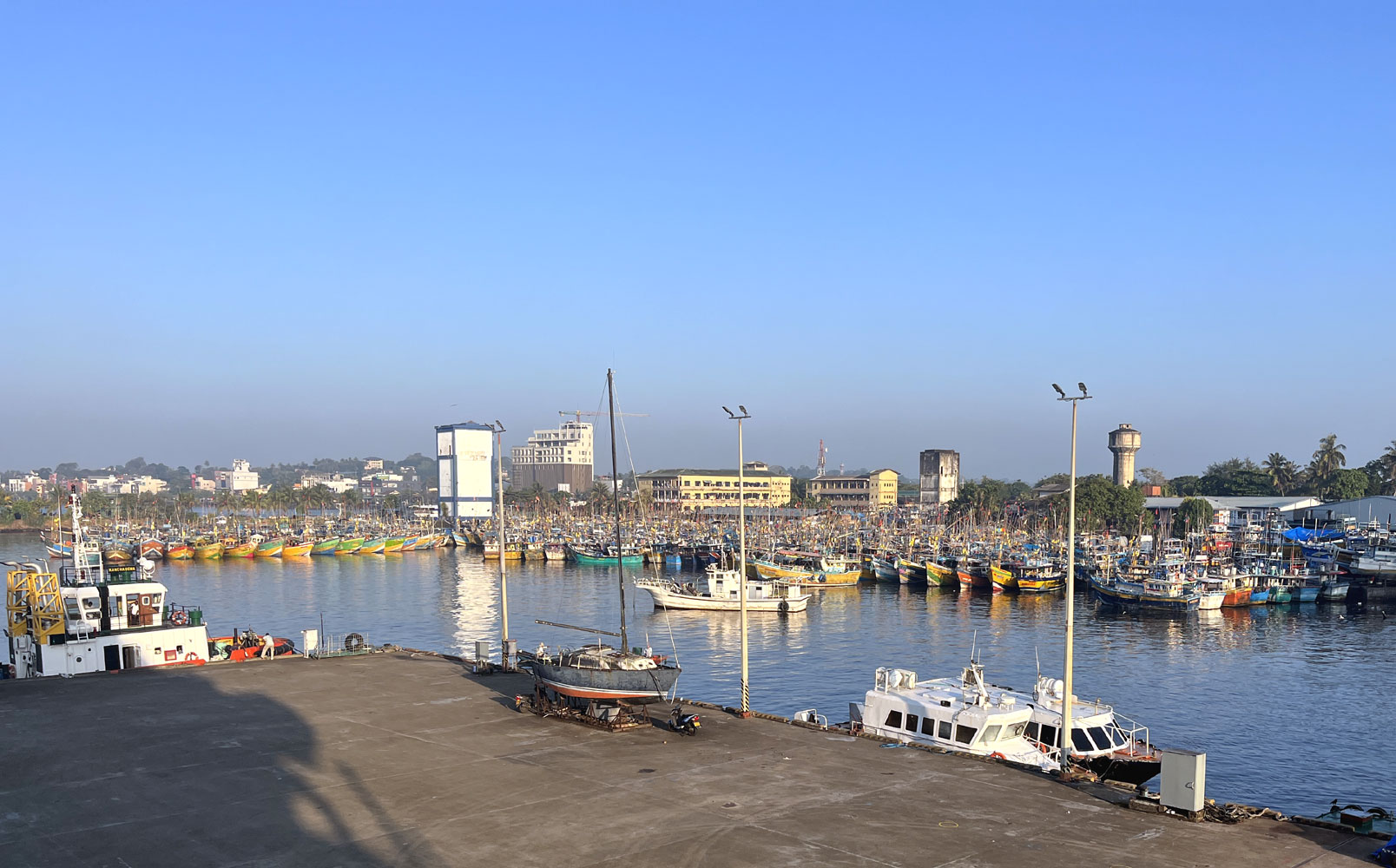
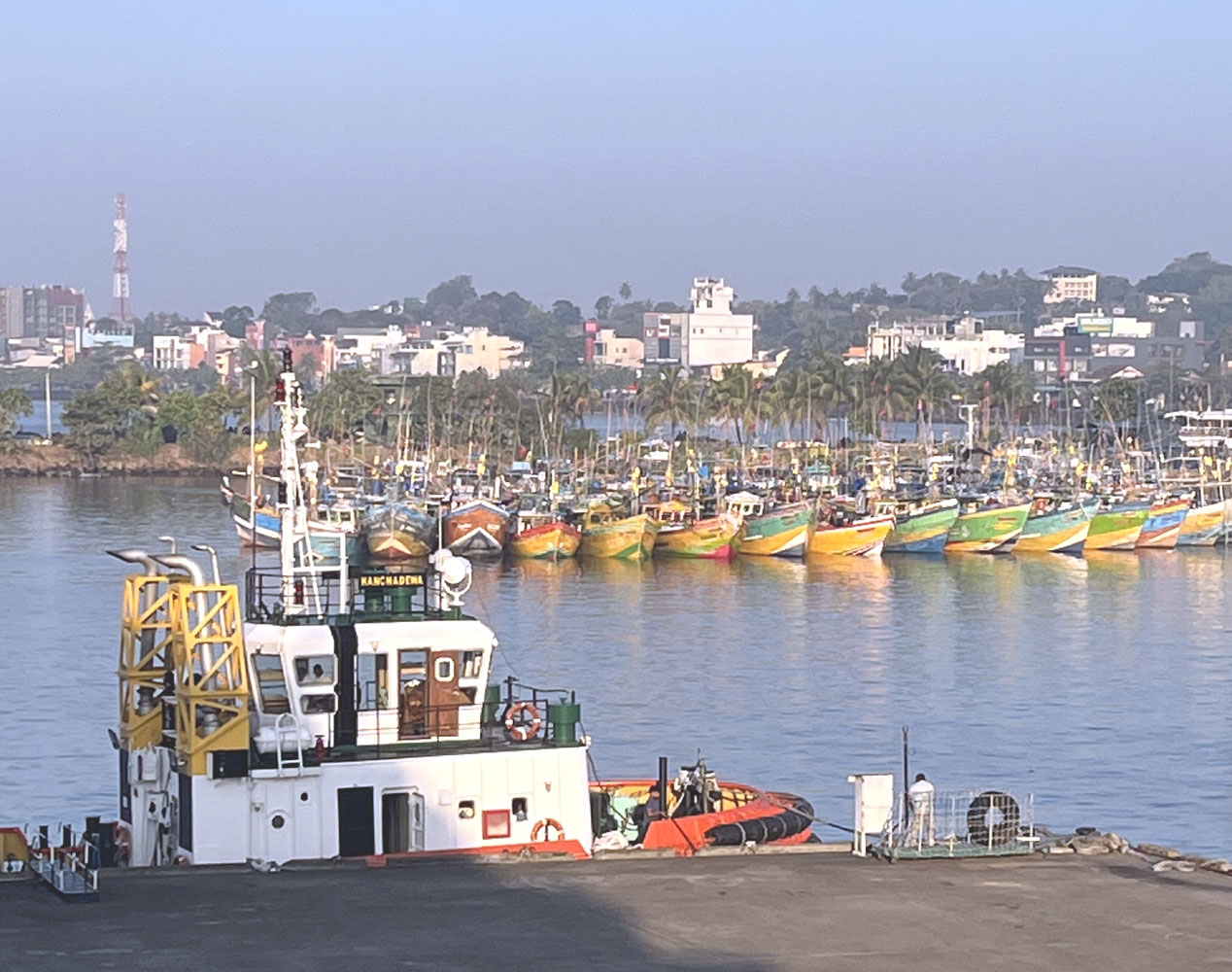
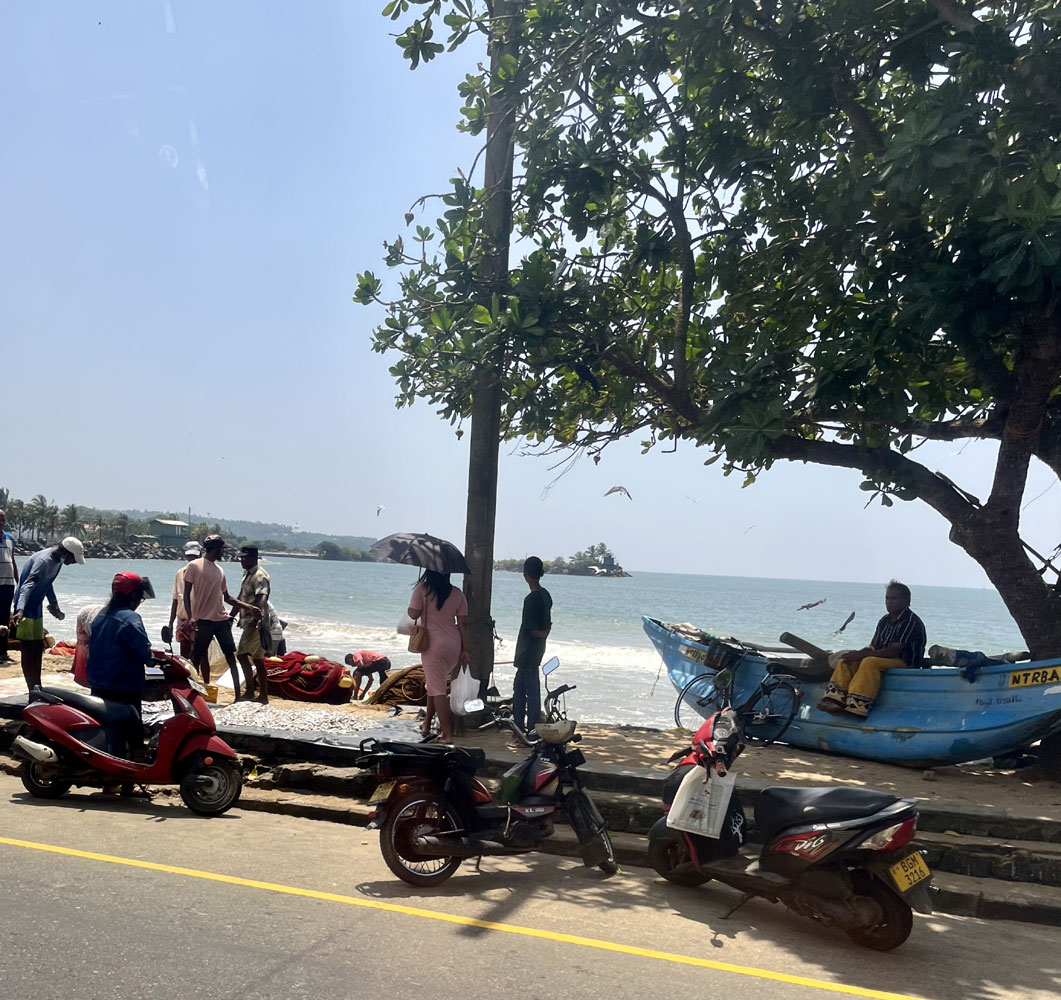
at sea, we awoke to find ourselves already docked in the
colourful natural harbour of Galle. |
|
|
| |
|
| |
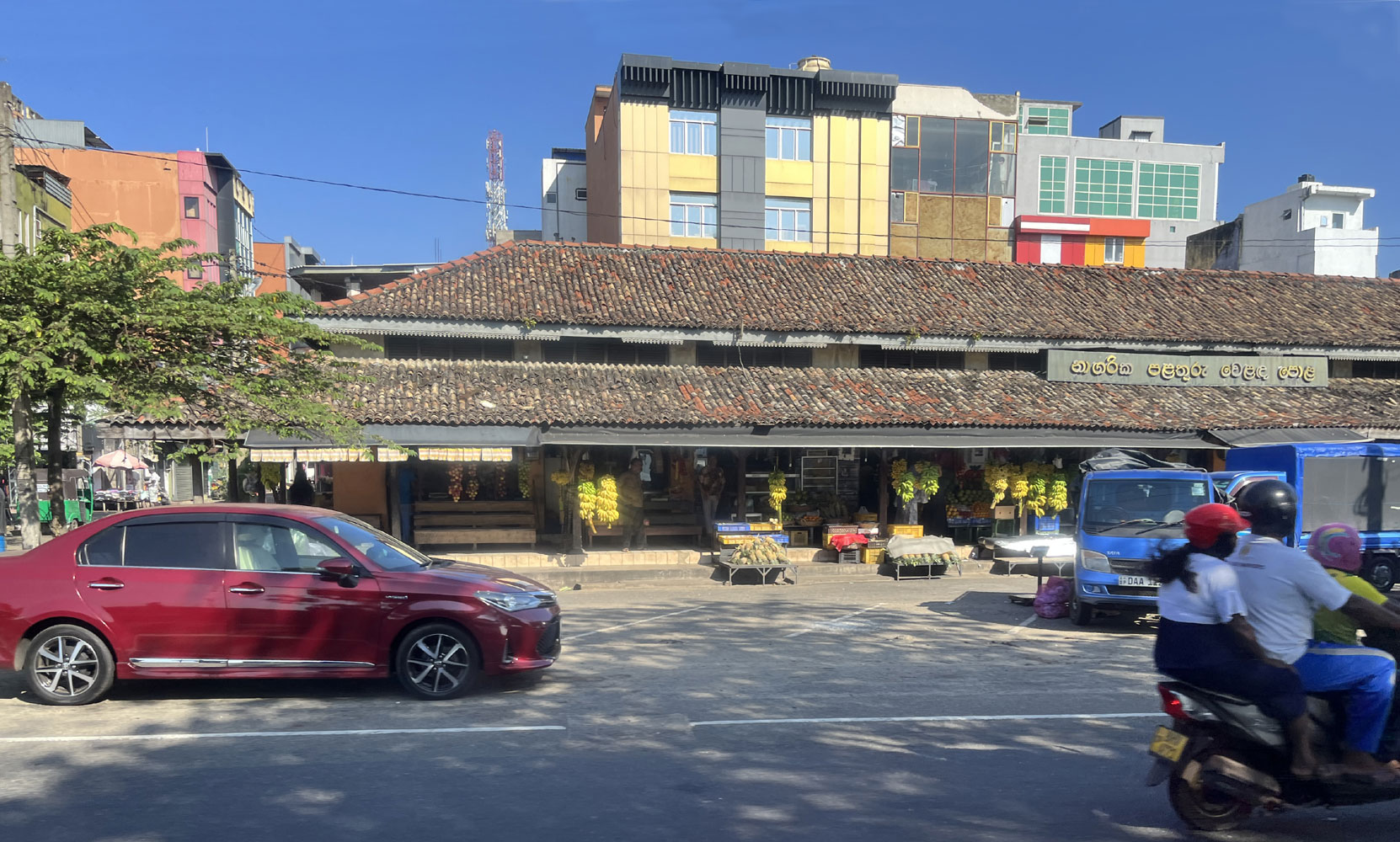
After
breakfast, we boarded a coach for the short drive around
the bay towards the city of Galle. |
|
|
| |
|
| |
|
| |
|
| |
|
|
| |
|
| |
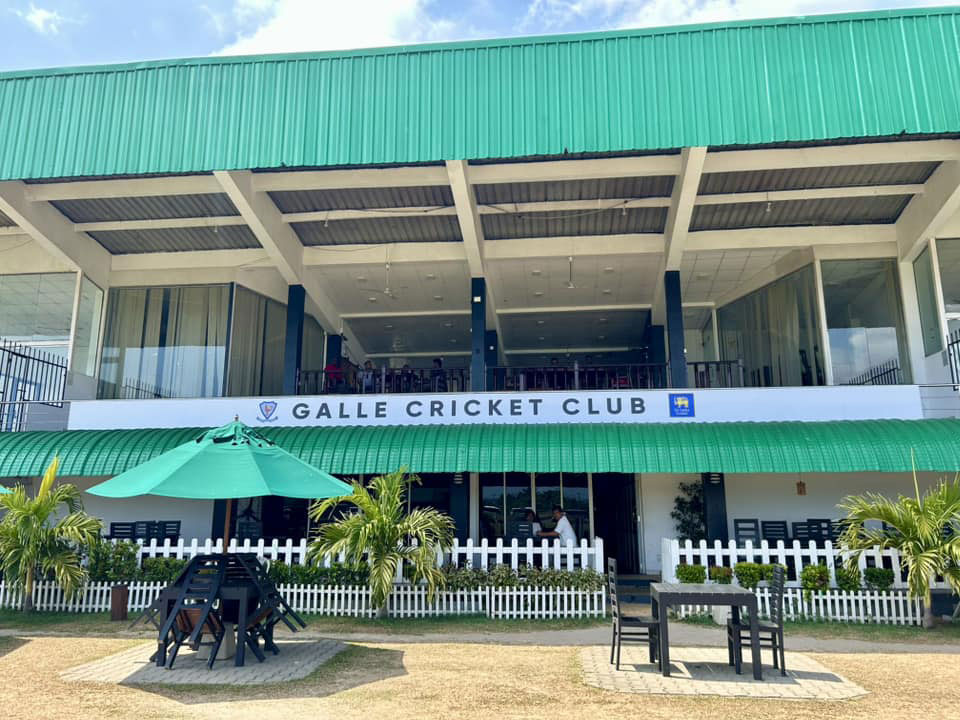
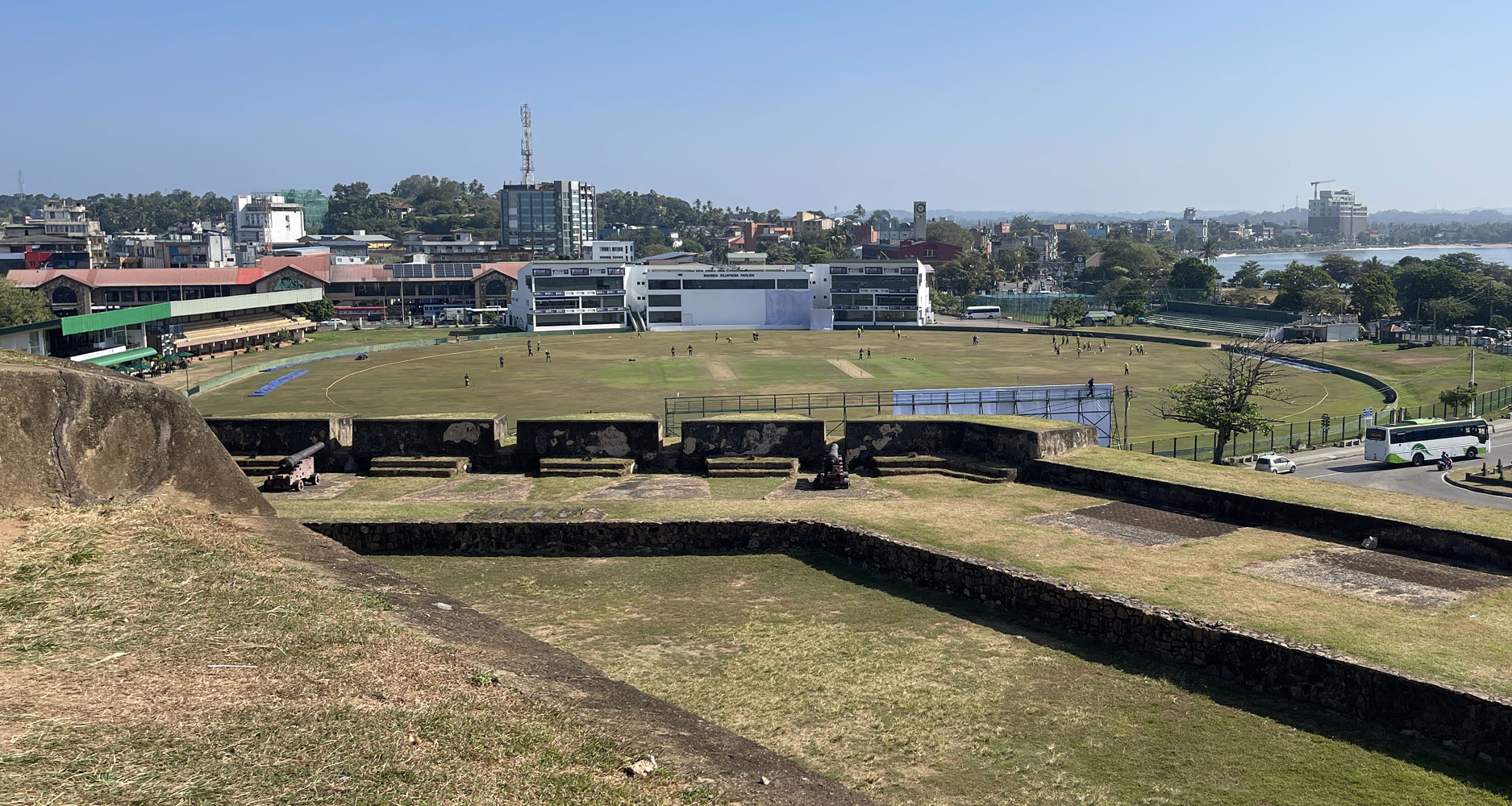
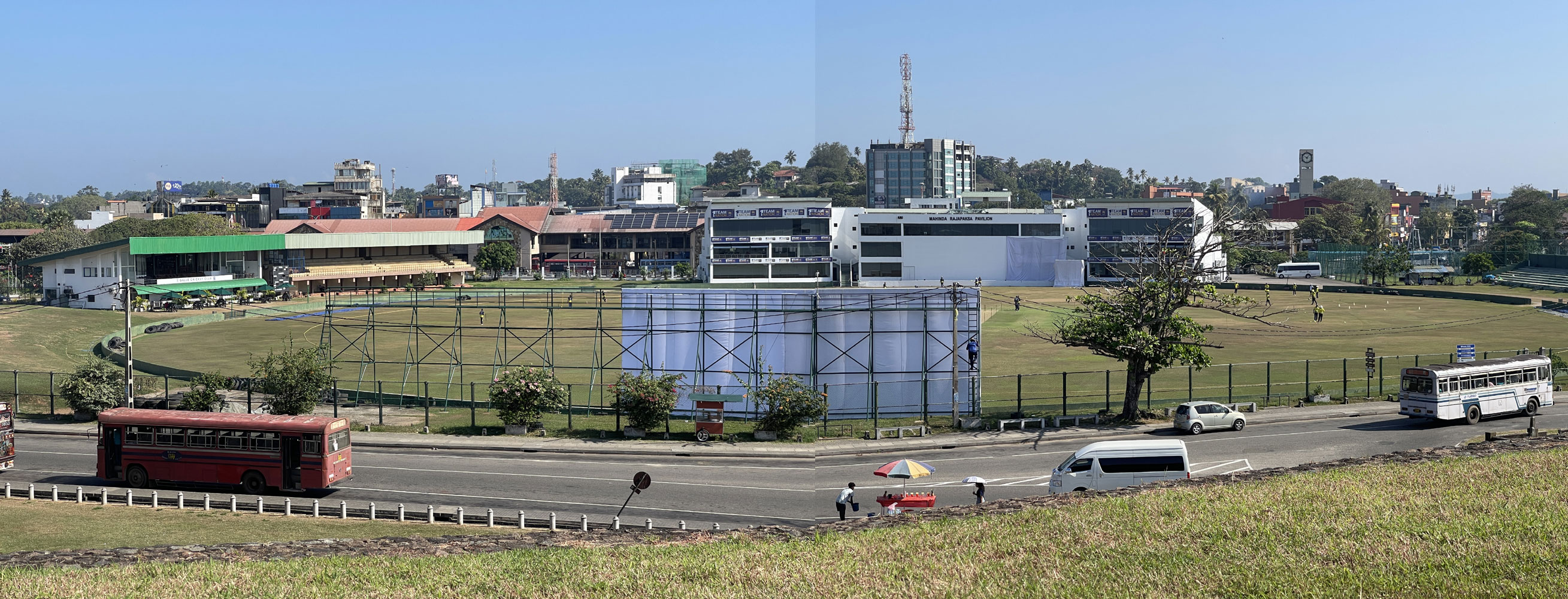
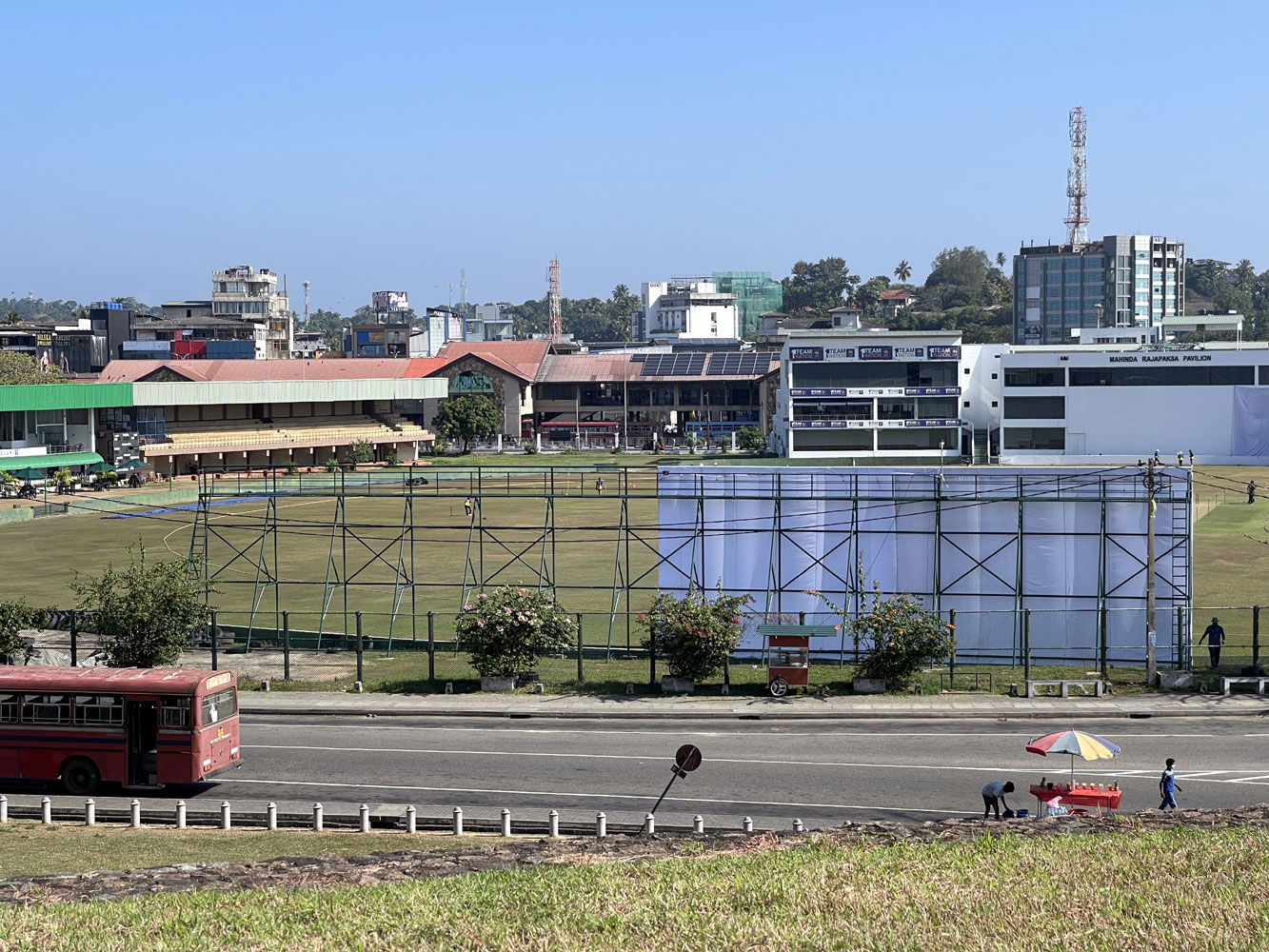
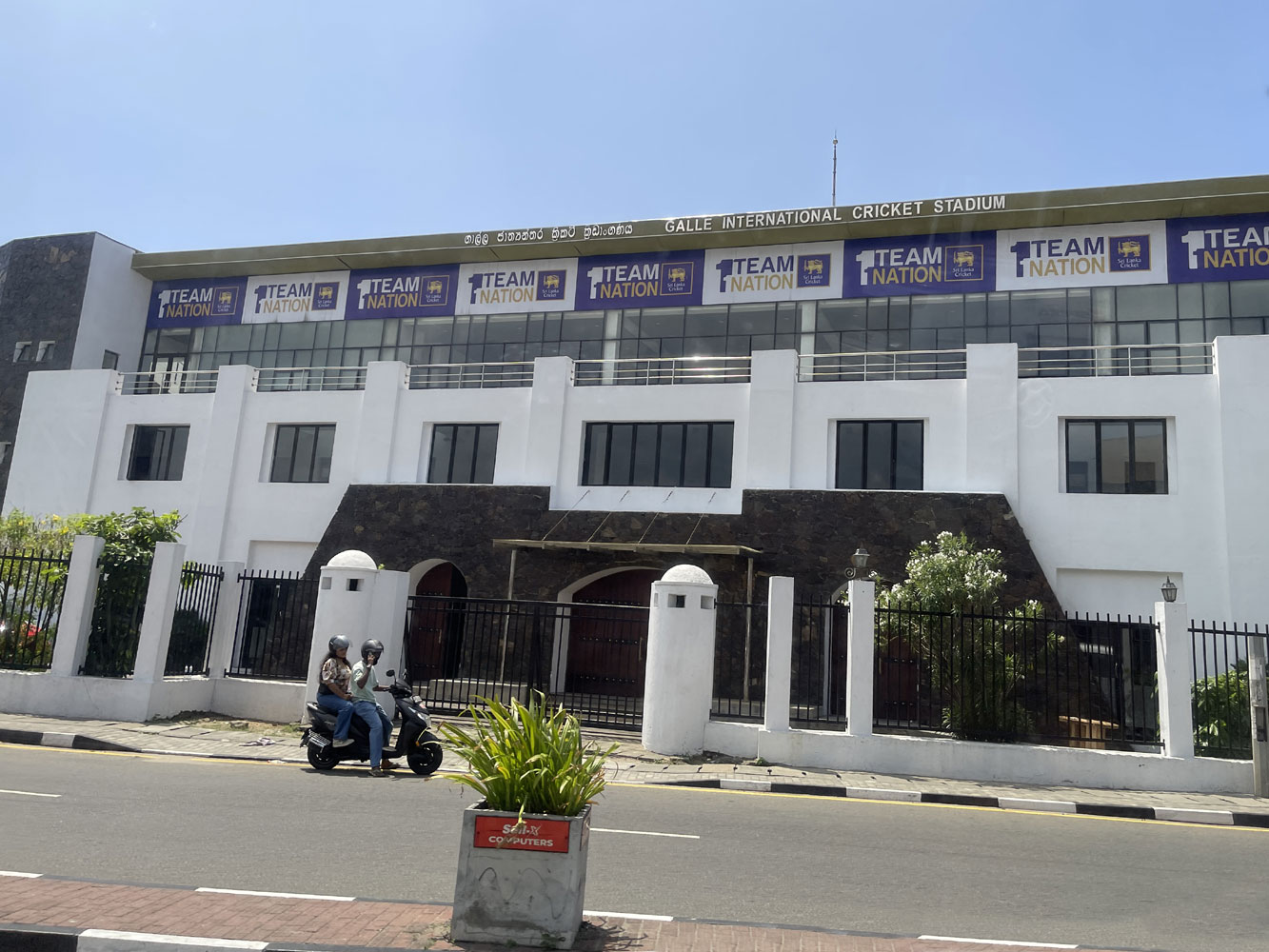
Galle
International Stadium situated near Galle Fort, is fringed
on two sides by the Indian Ocean. It is considered to be
one of the most picturesque cricket grounds in the world. |
|
|
| |
Behind the stadium is
Galle
Fort, where the coach dropped us off and where we would
spend the rest of the morning exploring on foot, initially
with a guide and then on our own. |
|
|
| |
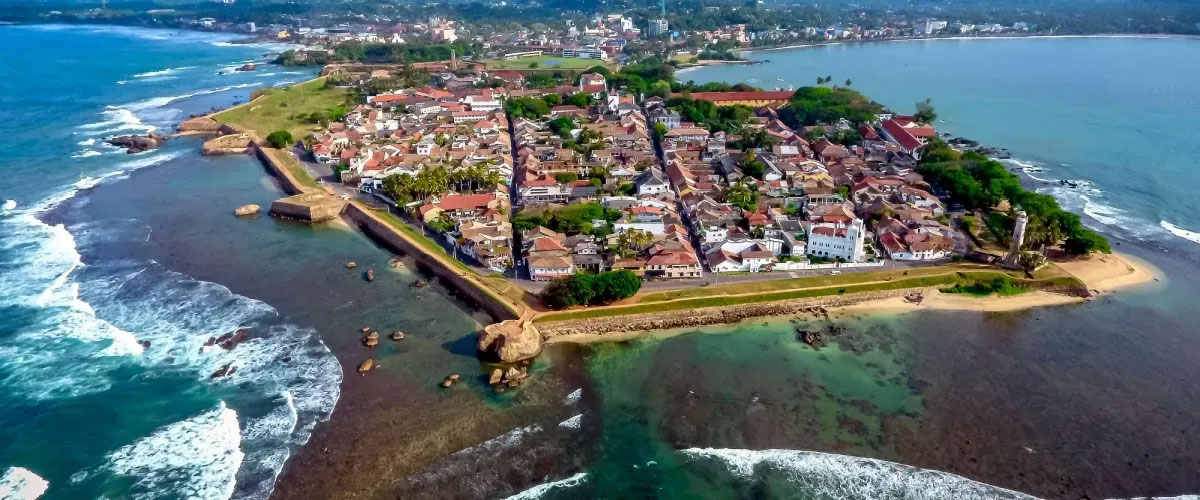
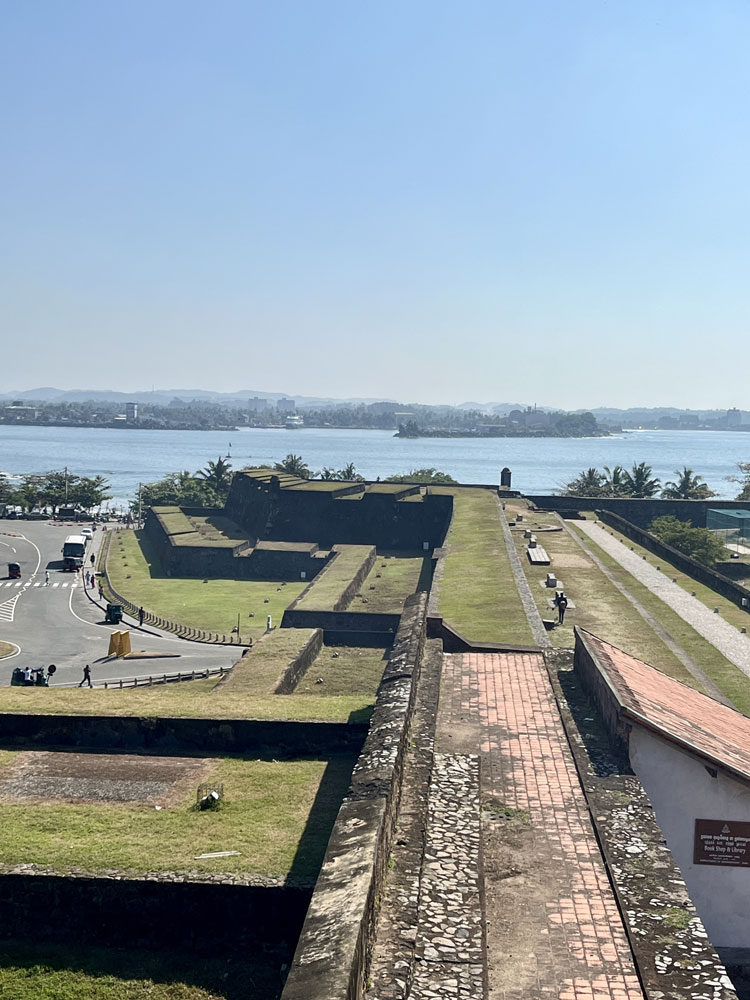
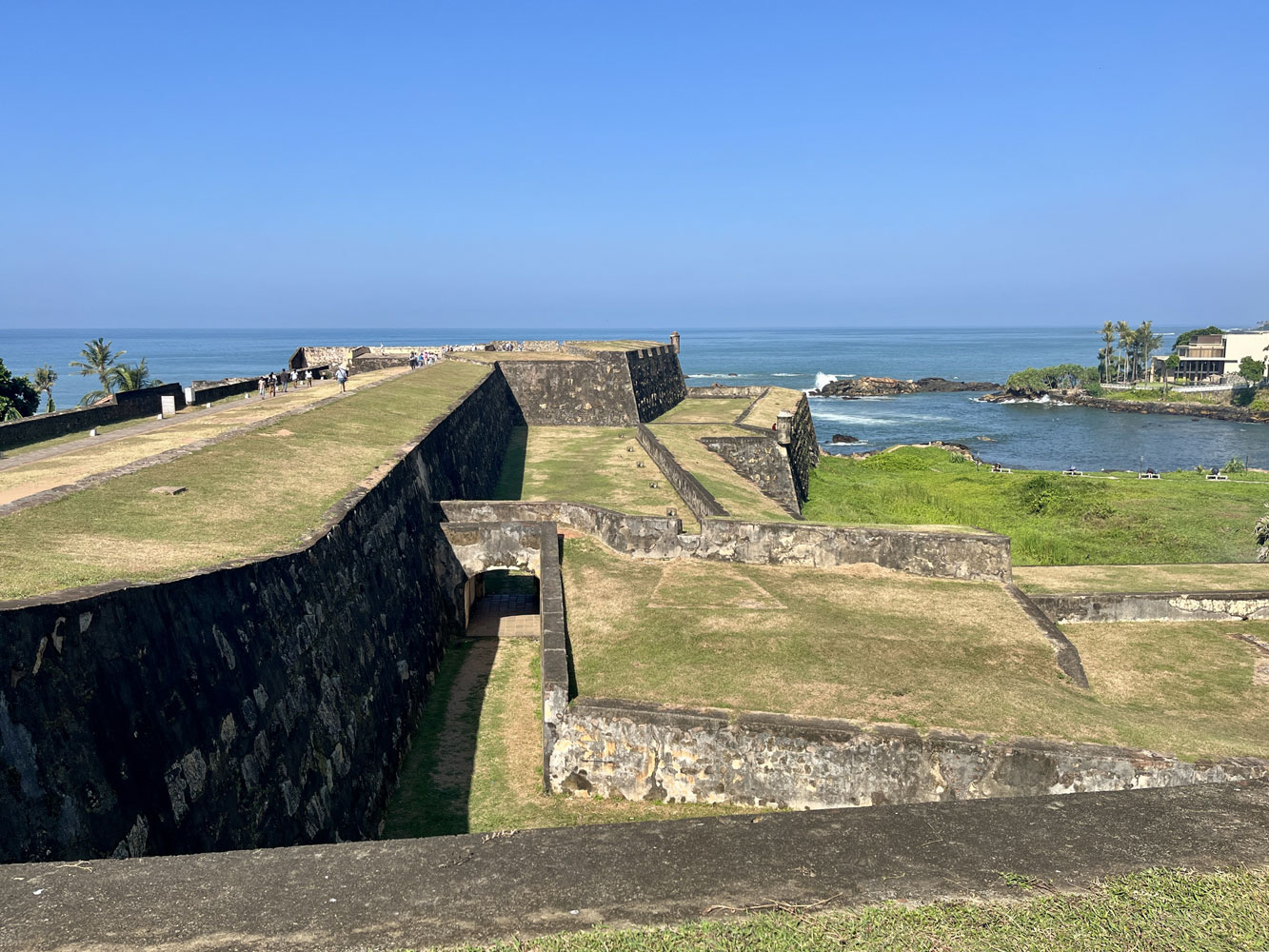
From above, the full
extent of the fort is visible, with the cricket ground lying
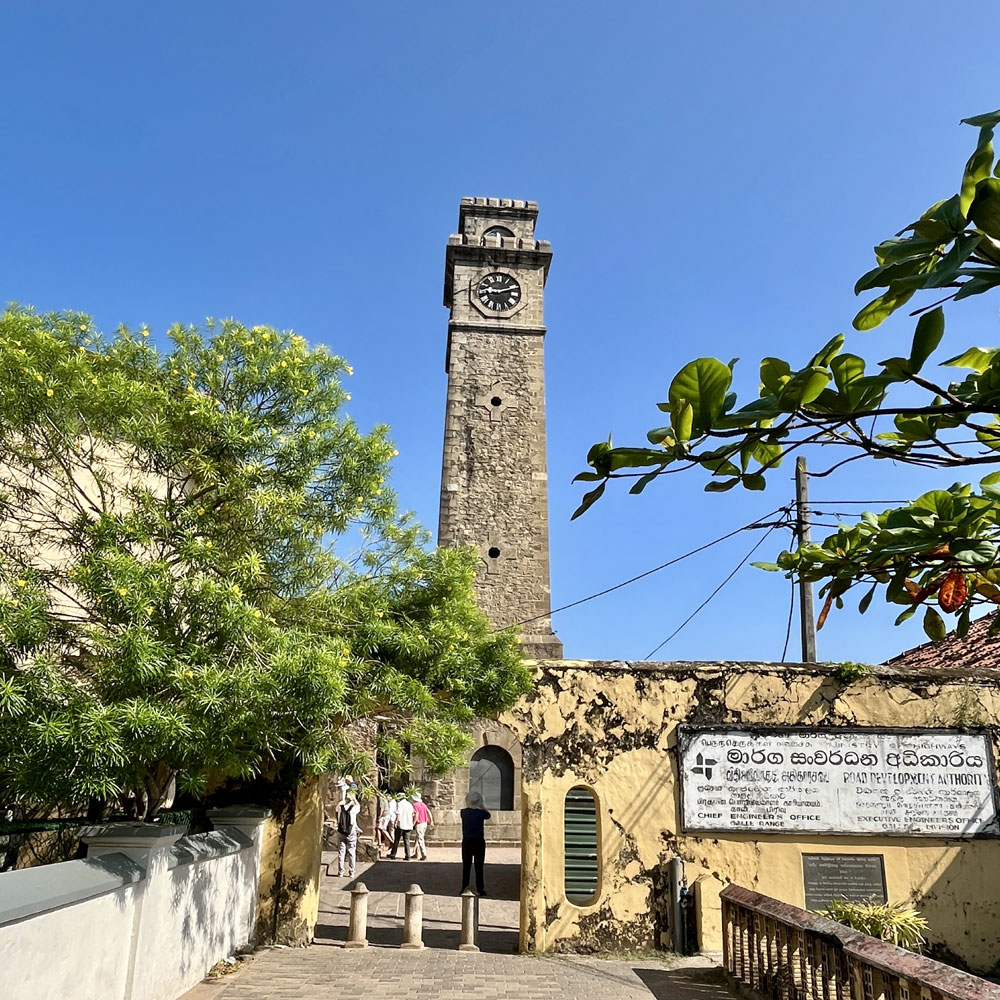
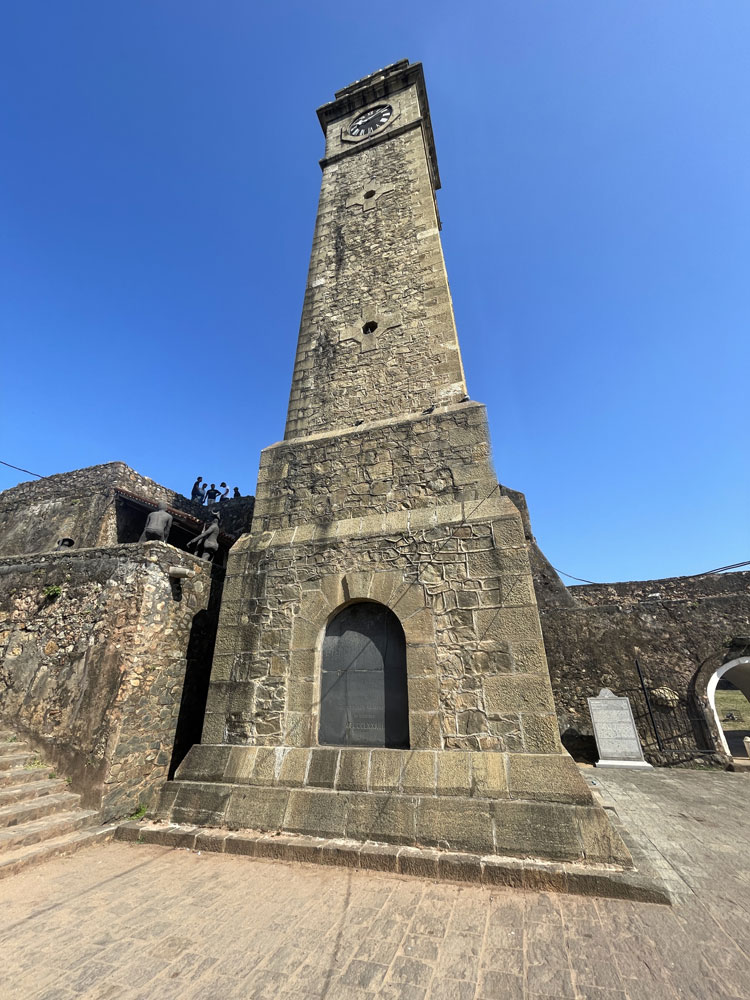
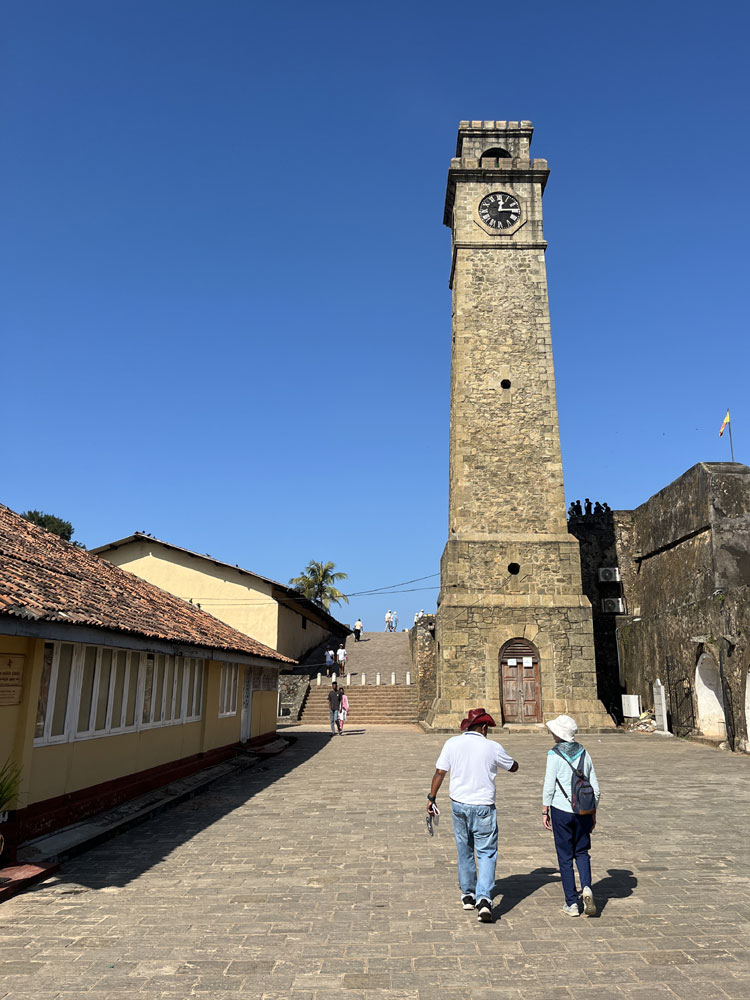
just beyond its walls. Our guide began by taking us to the
area around the clock tower (just visible, top left), before
leading us into the central section to visit the museum.
After that, we were free to explore the rest of the site
at our own pace, which we managed to do quite thoroughly. |
|
|
| |
|
|
| |
|
|
| |
The cricket ground, as
seen from the fort. |
|
|
| |
|
| |
|
| |
|
|
| |
|
| |
|
| |
|
| |
|
| |
|
| |
|
|
| |
|
| |
|
| |
|
| |
|
| |
Looking across the bay,
we could see the Hebridean Sky. |
|
|
| |
|
| |
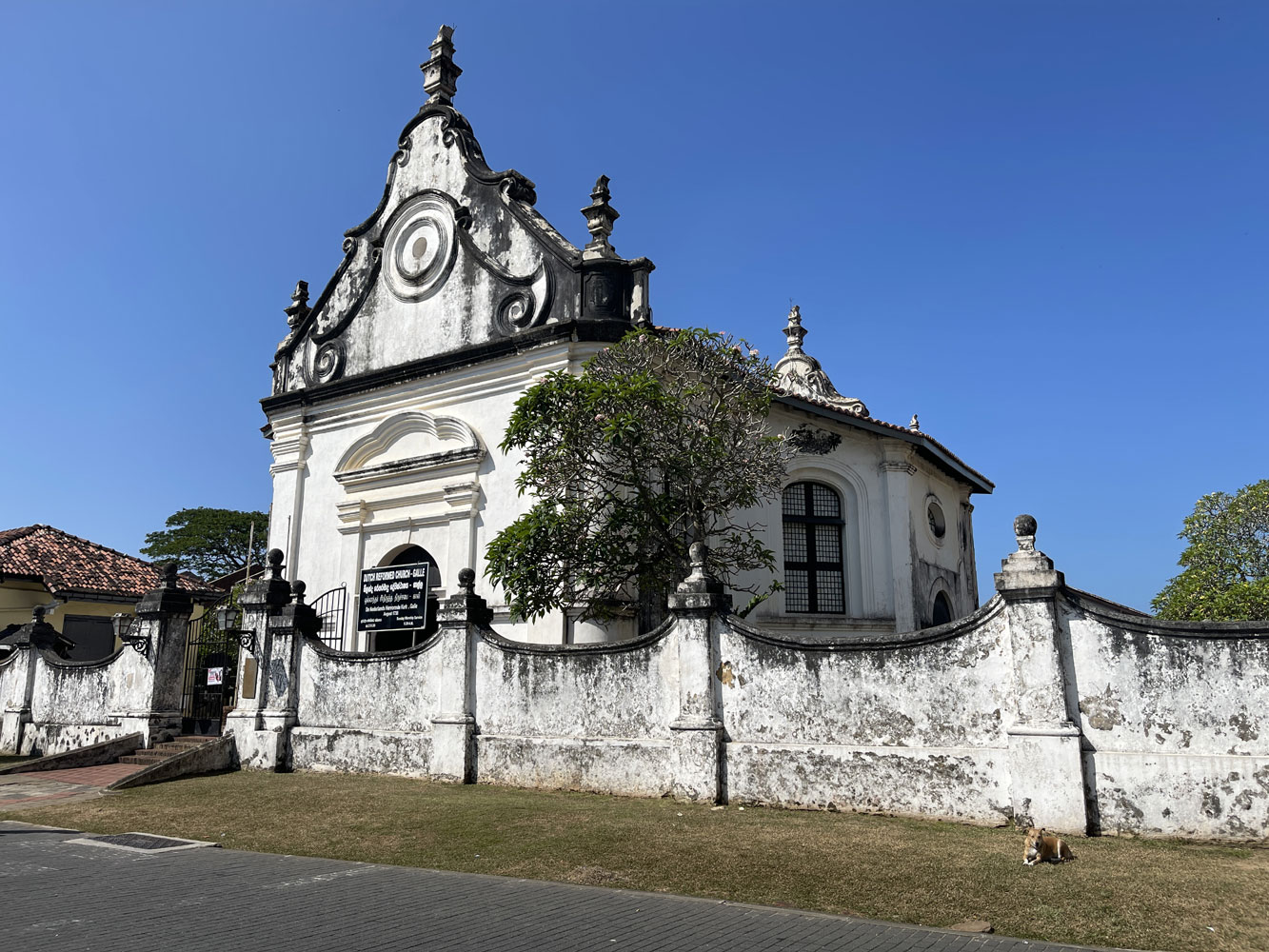
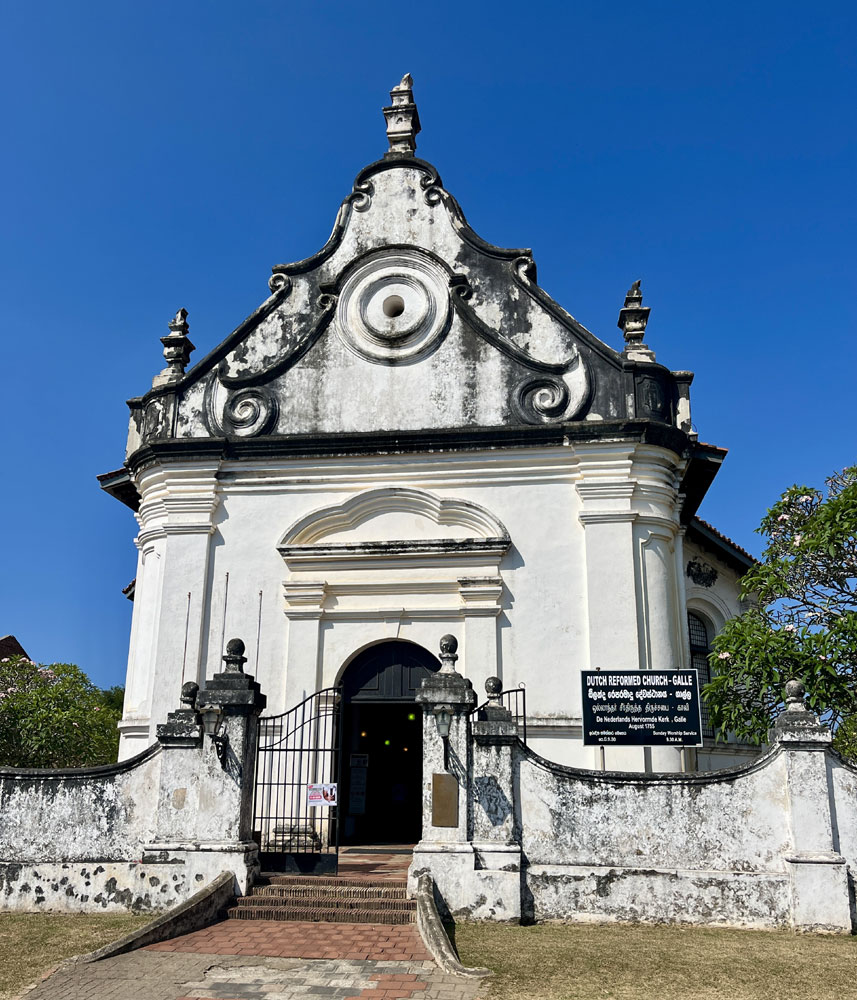
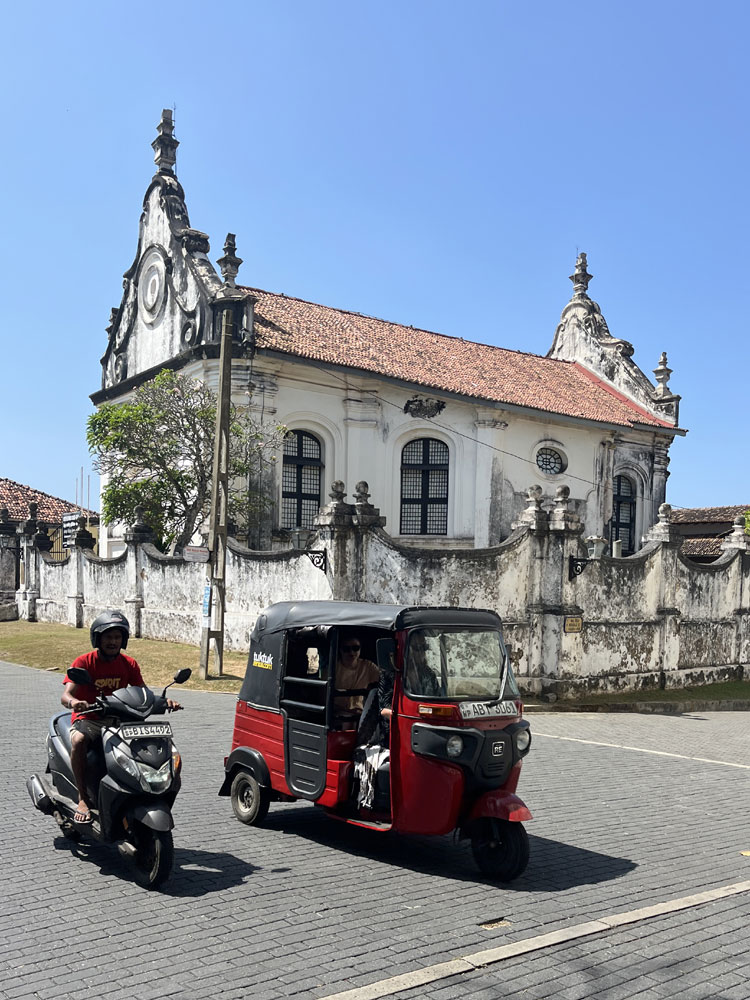
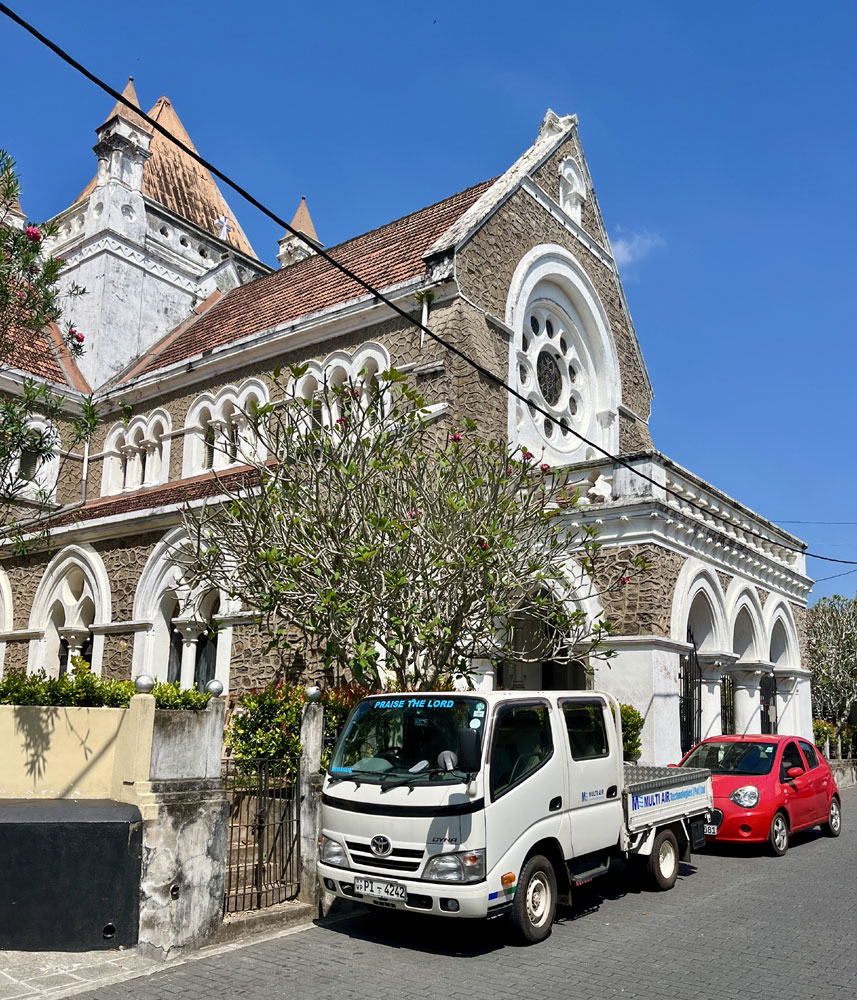
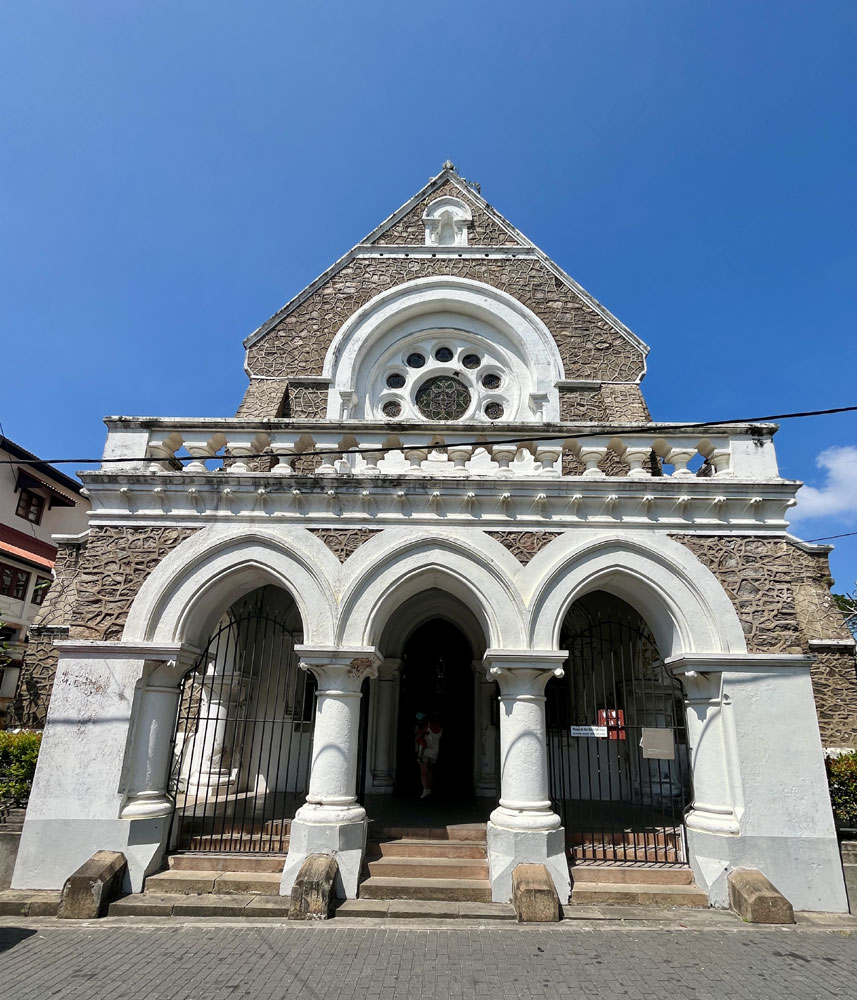
The Groote
Kerk or Dutch Reformed Church is situated near the entrance
to the fort. The church was built by the Dutch in 1755 and
is one of the oldest Protestant churches still in use in
the country. |
|
|
| |
|
| |
|
| |
|
| |
|
|
| |
|
| |
|
| |
|
| |
|
|
| |
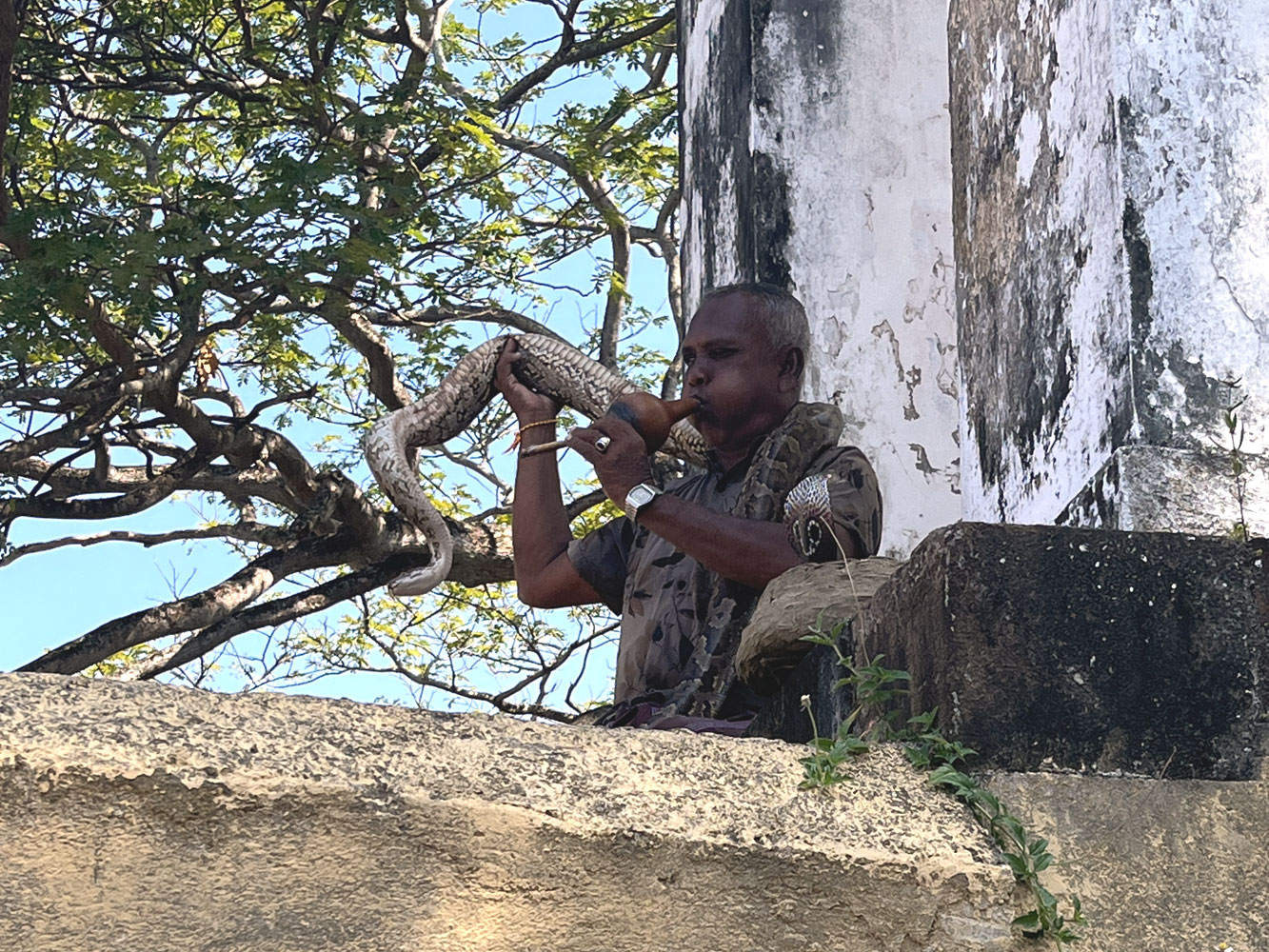
We spotted a snake charmer
sitting up on the ramparts. We were quite happy that he
was up there and we were down here! |
|
|
| |
|
|
| |
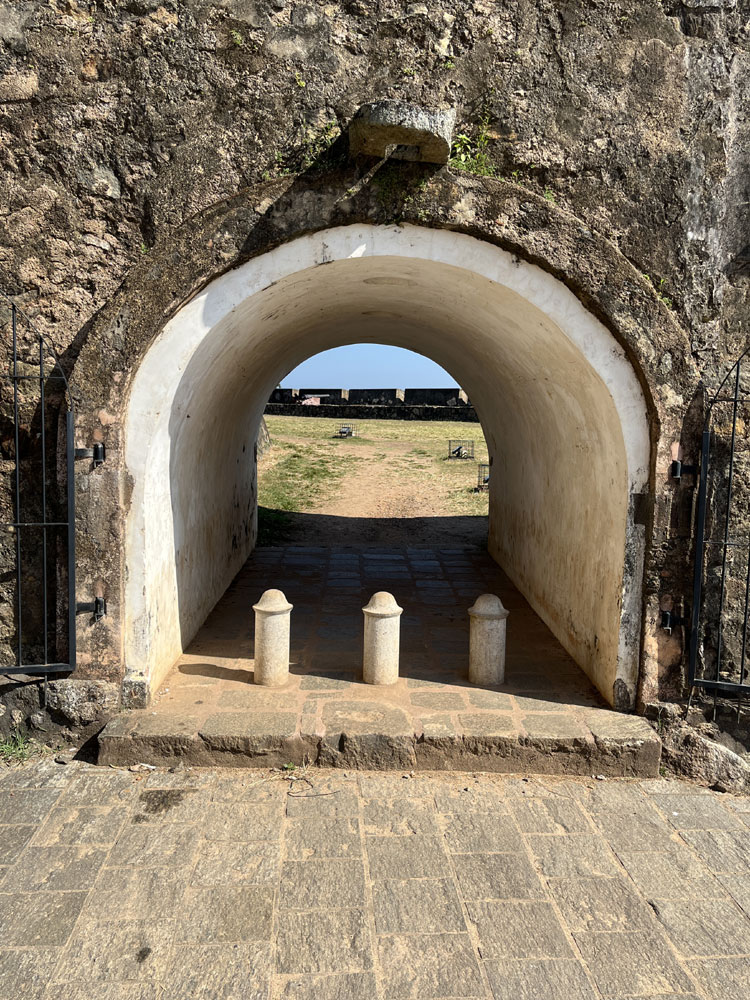
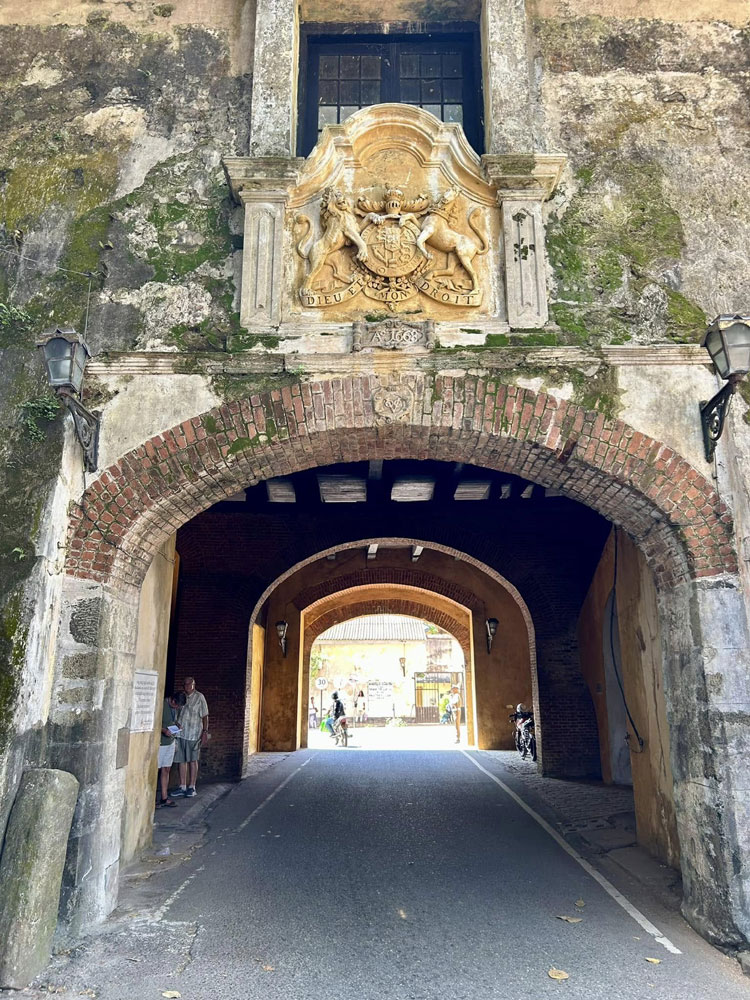
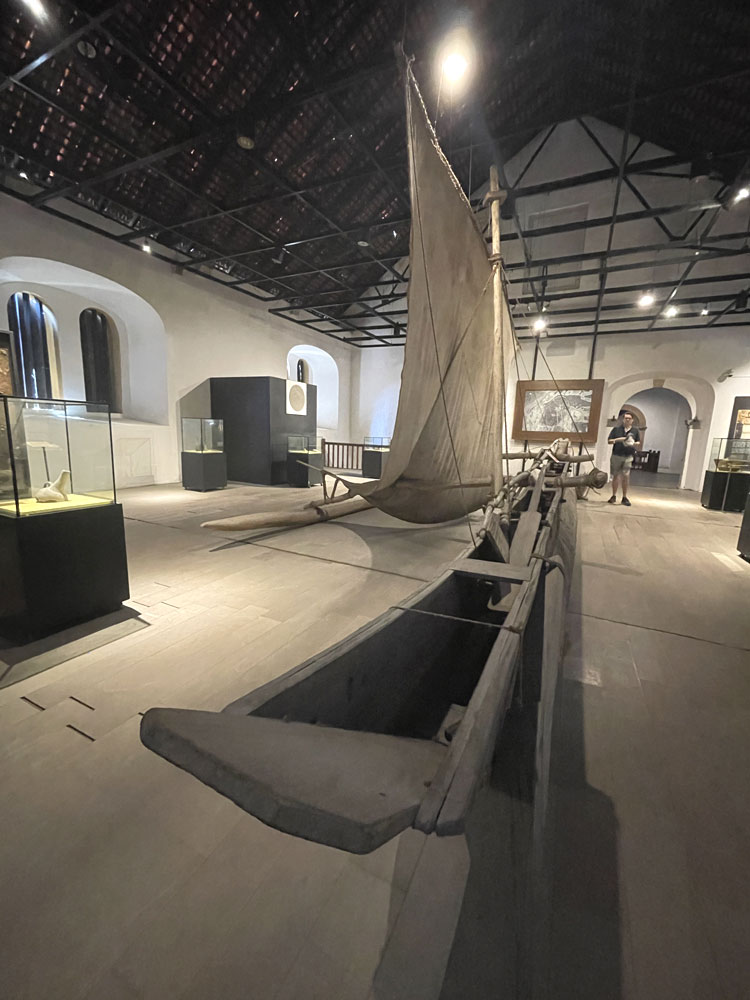
The Old Gate to the
Galle Fort, close to the entrance to the museum. |
|
|
| |
|
|
| |
|
| |
|
| |
|
|
| |
|
| |
|
| |
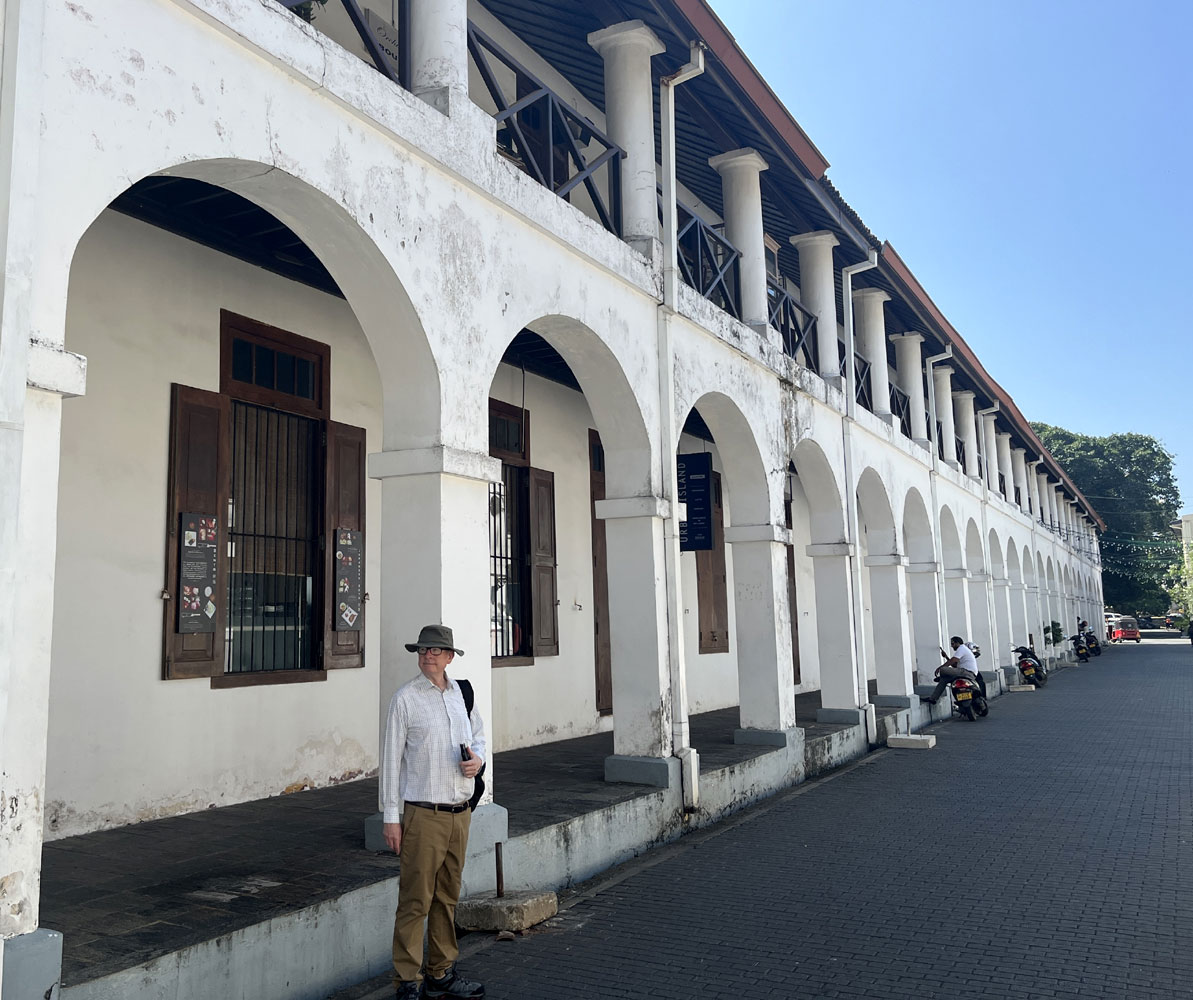
The Old
Dutch Hospital, dating back to the Dutch colonial era,
is one of the oldest buildings in the Galle Fort area. |
|
|
| |
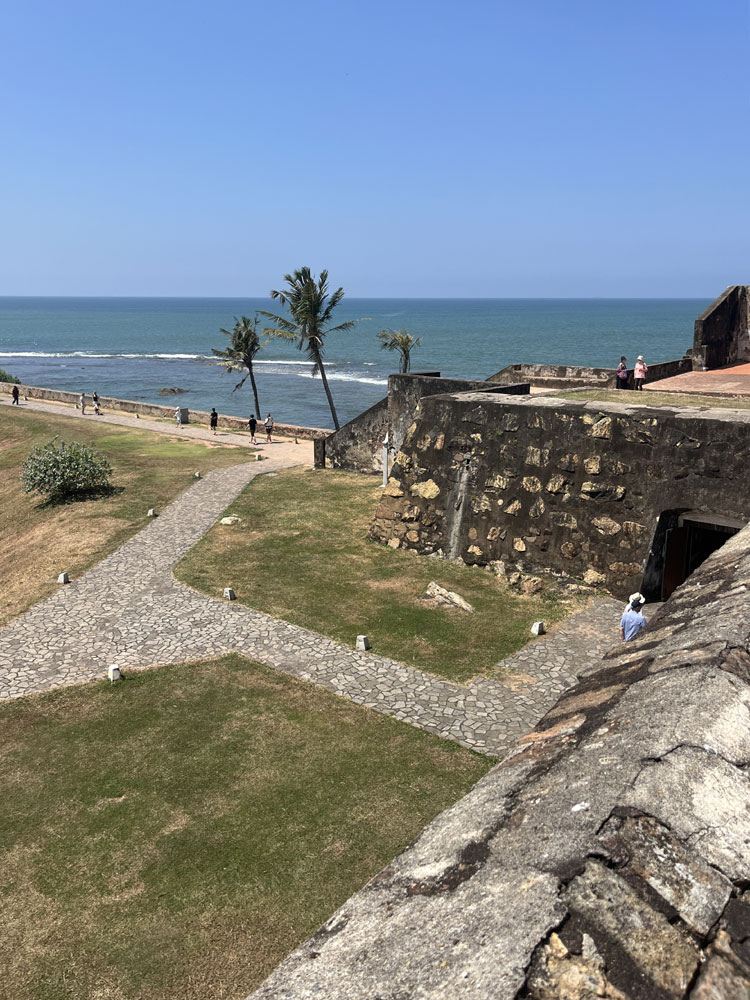
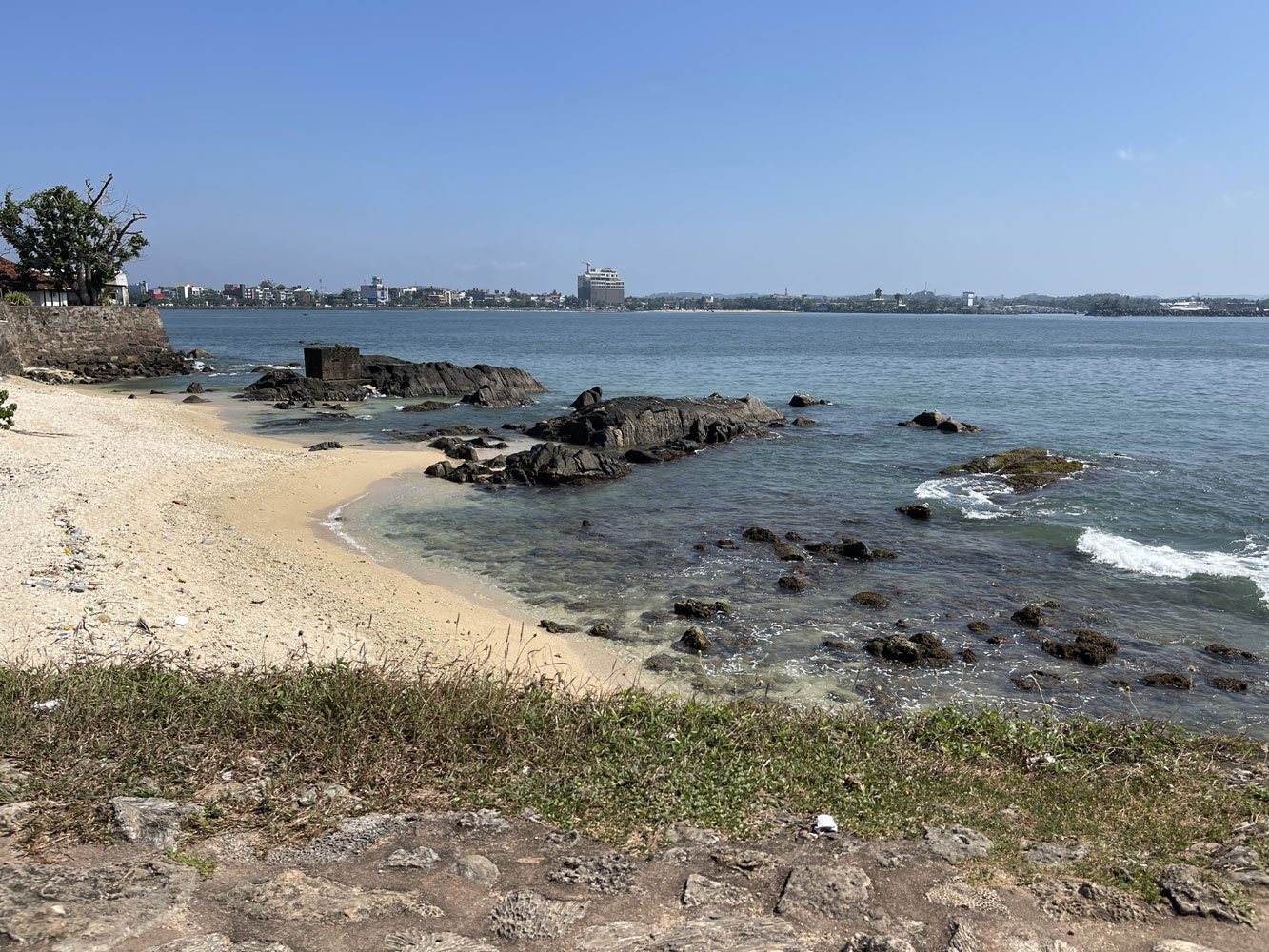
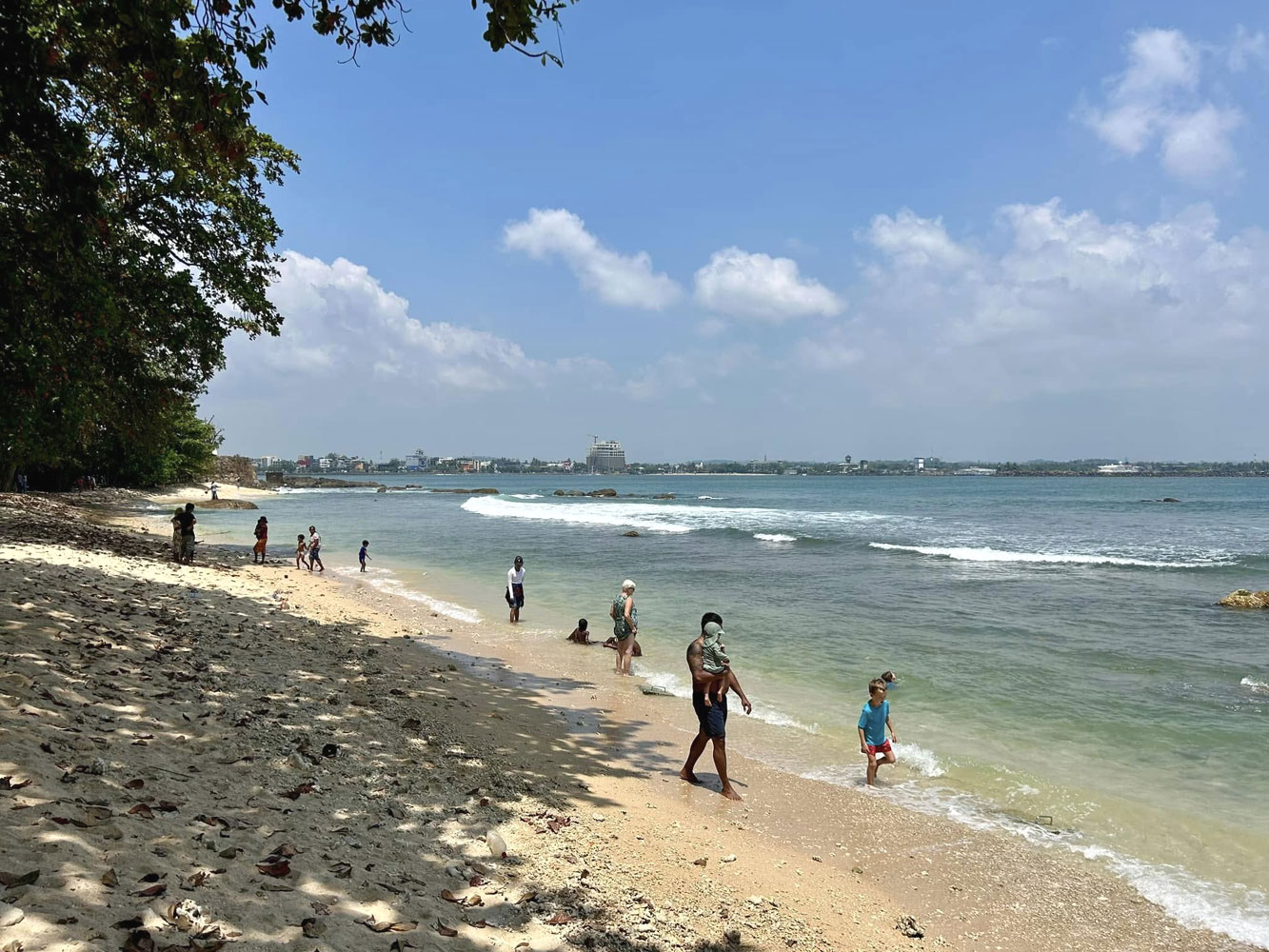
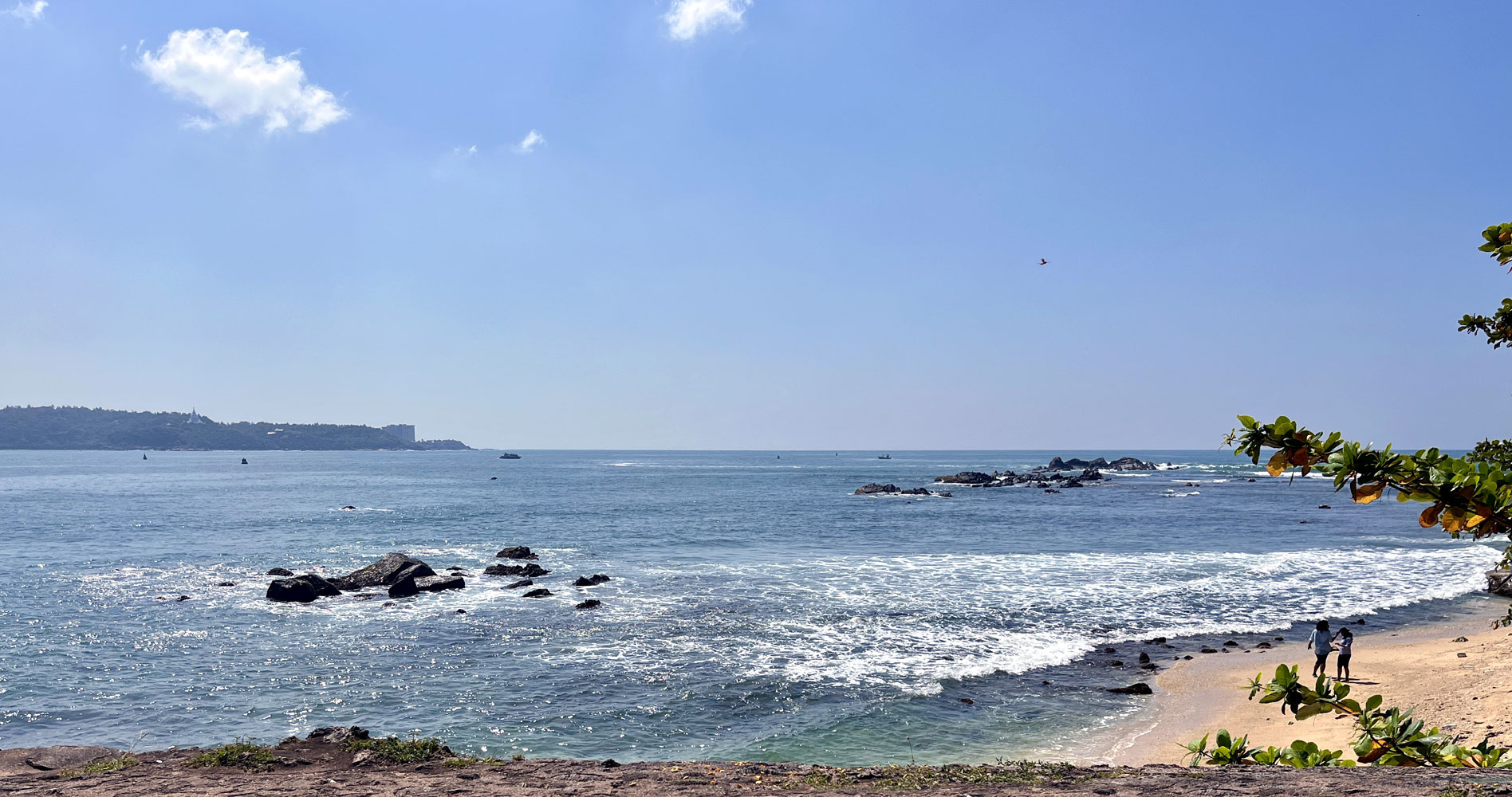
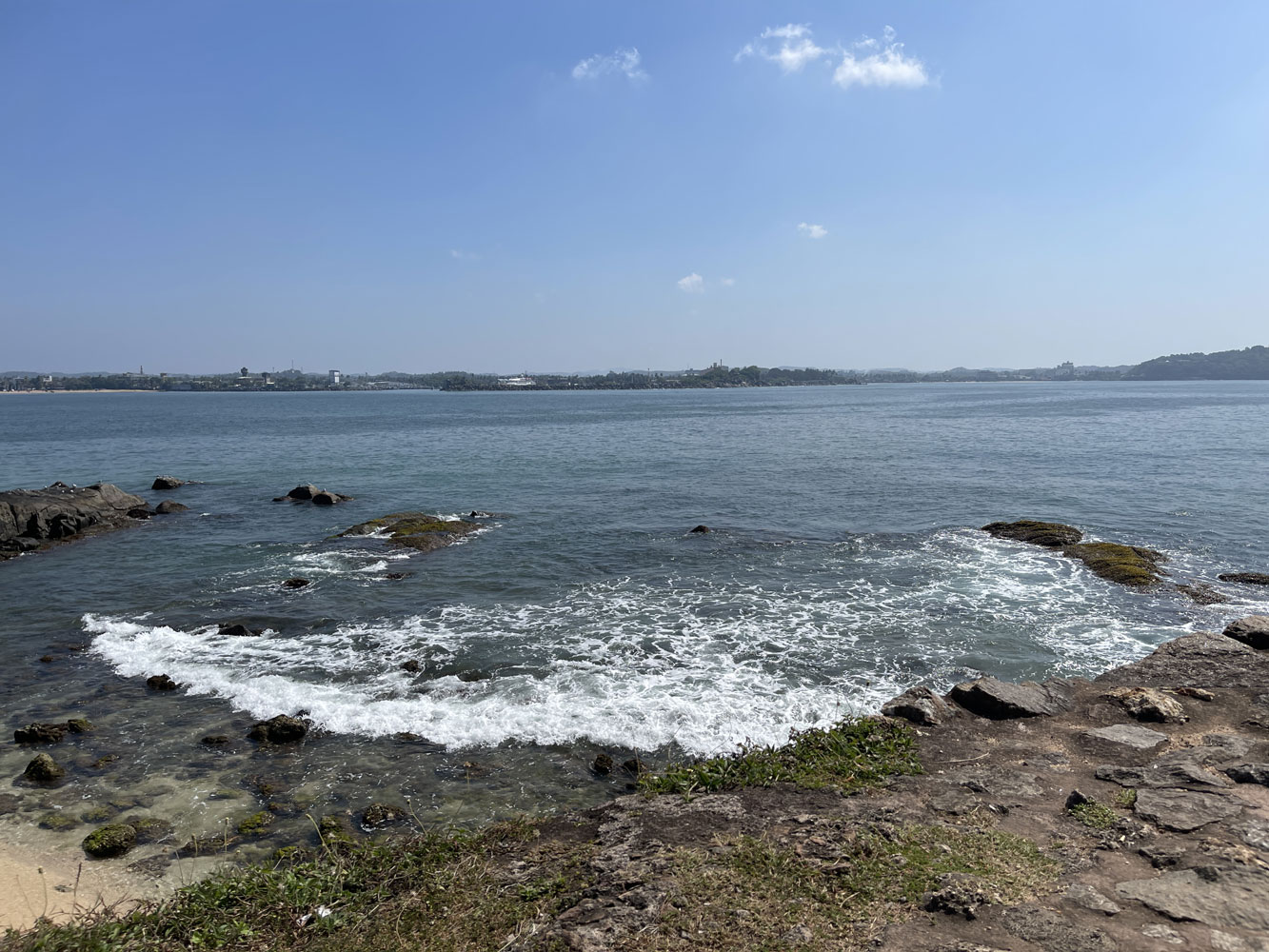
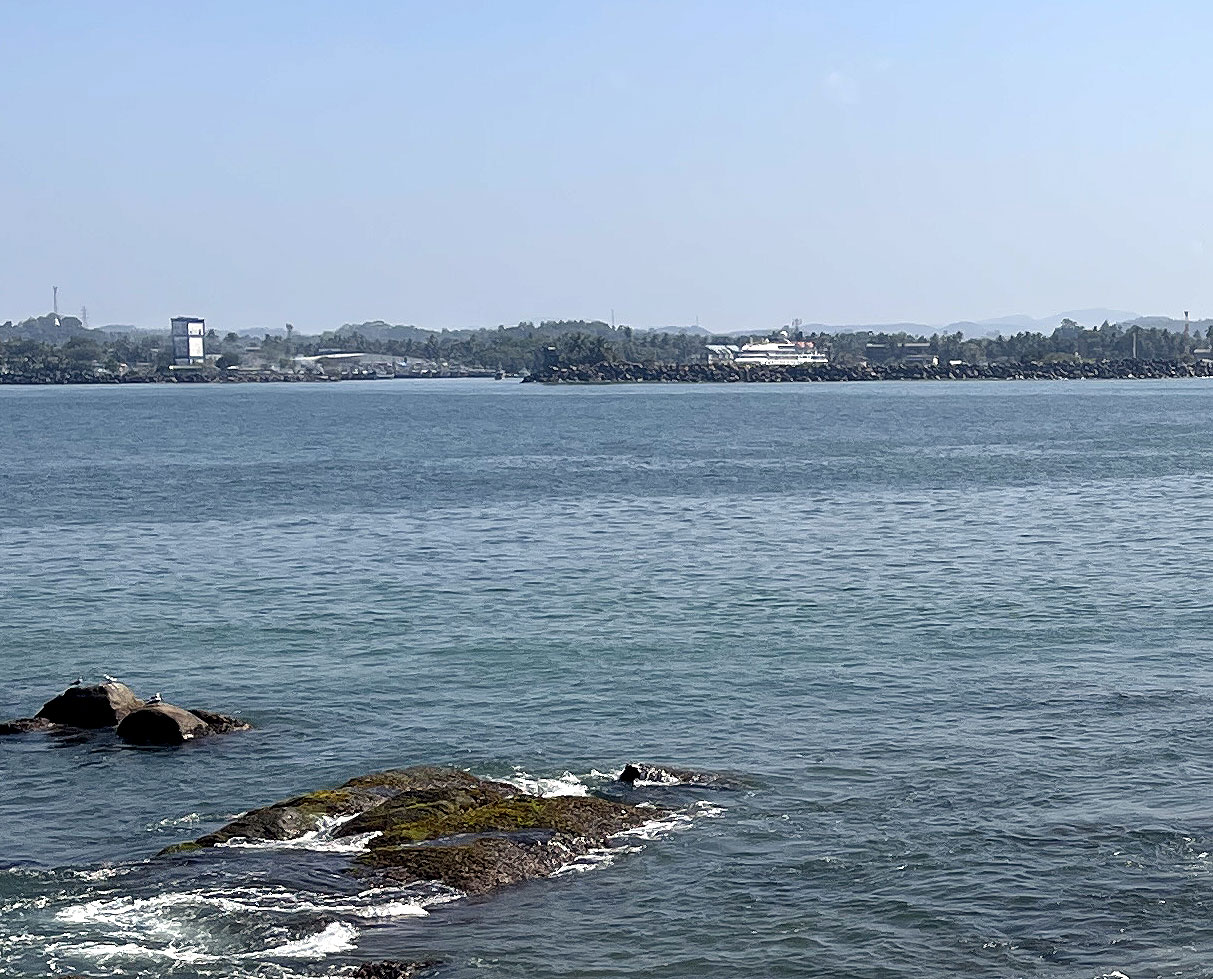
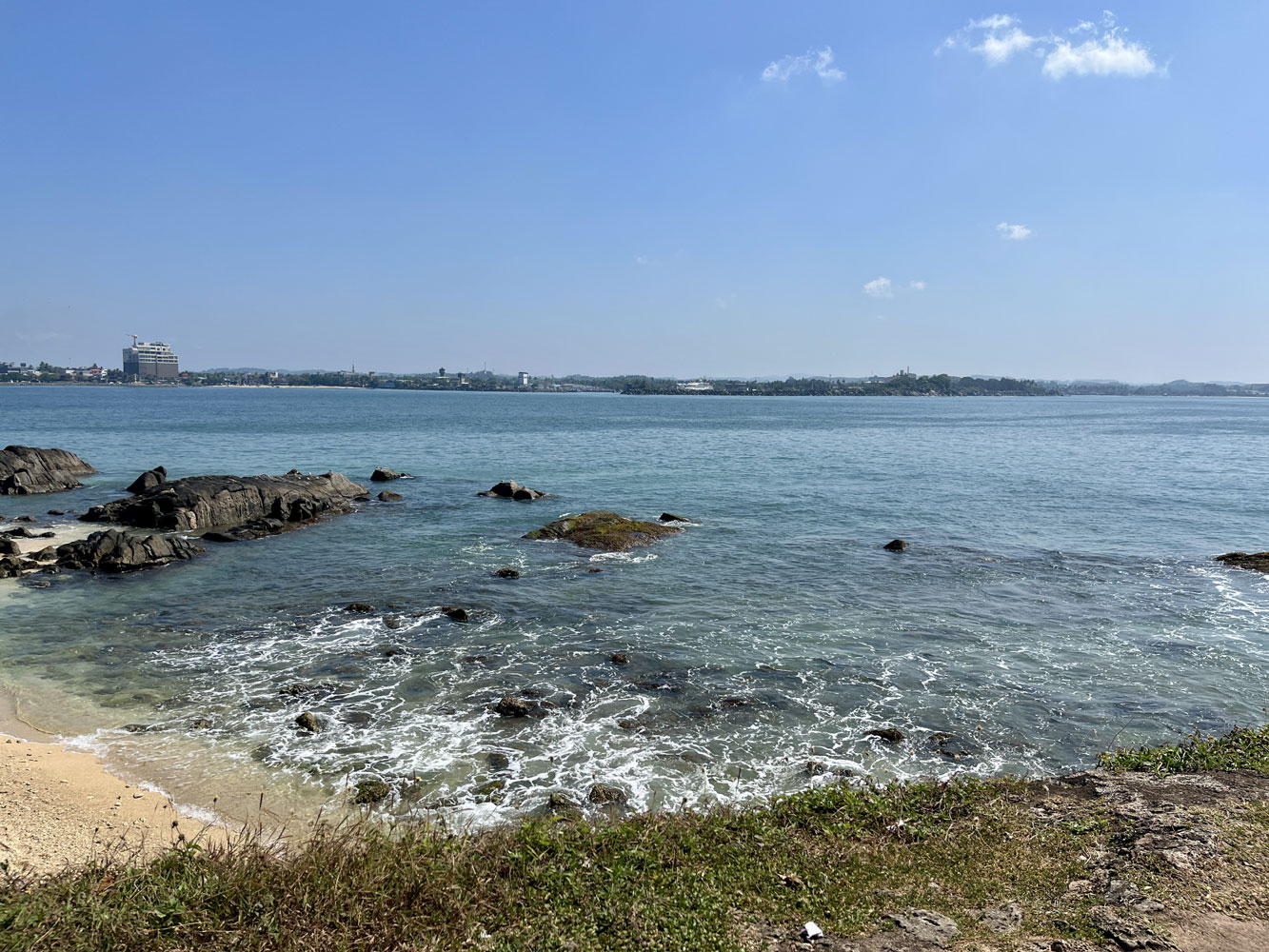
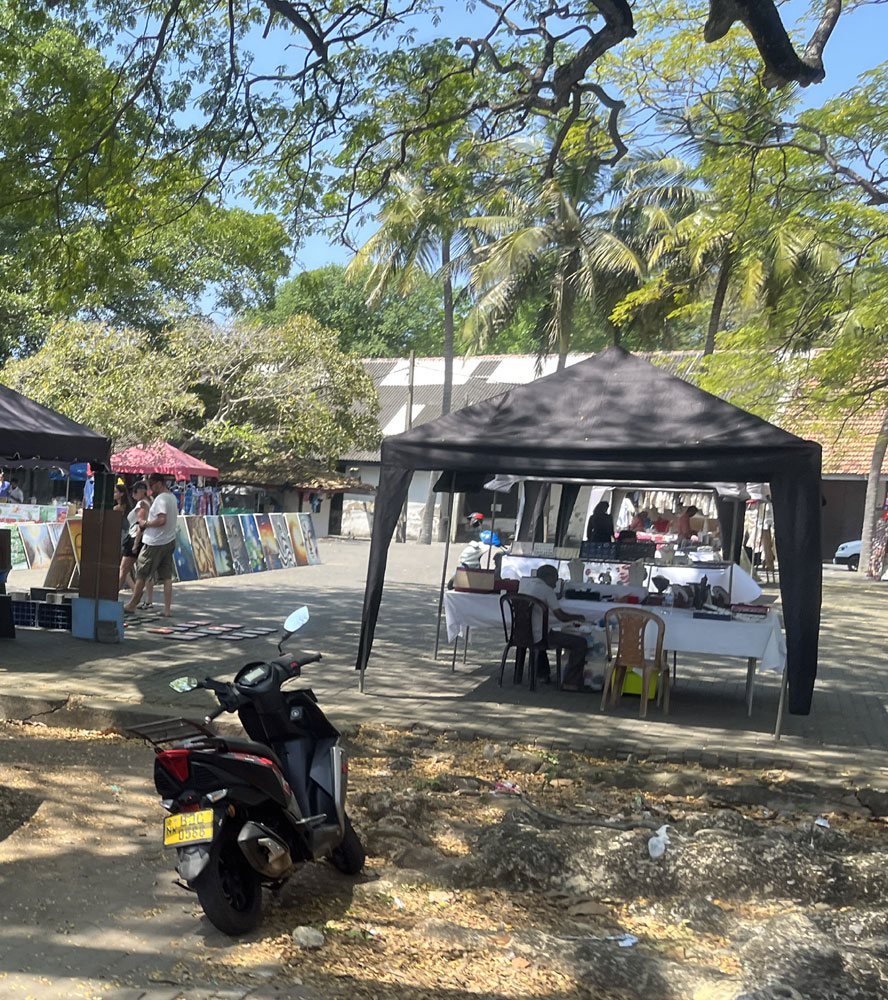
We decided to take our
leave of the guide and explore the rest of the fort by ourselves,
starting off by following the coastline around the bay.
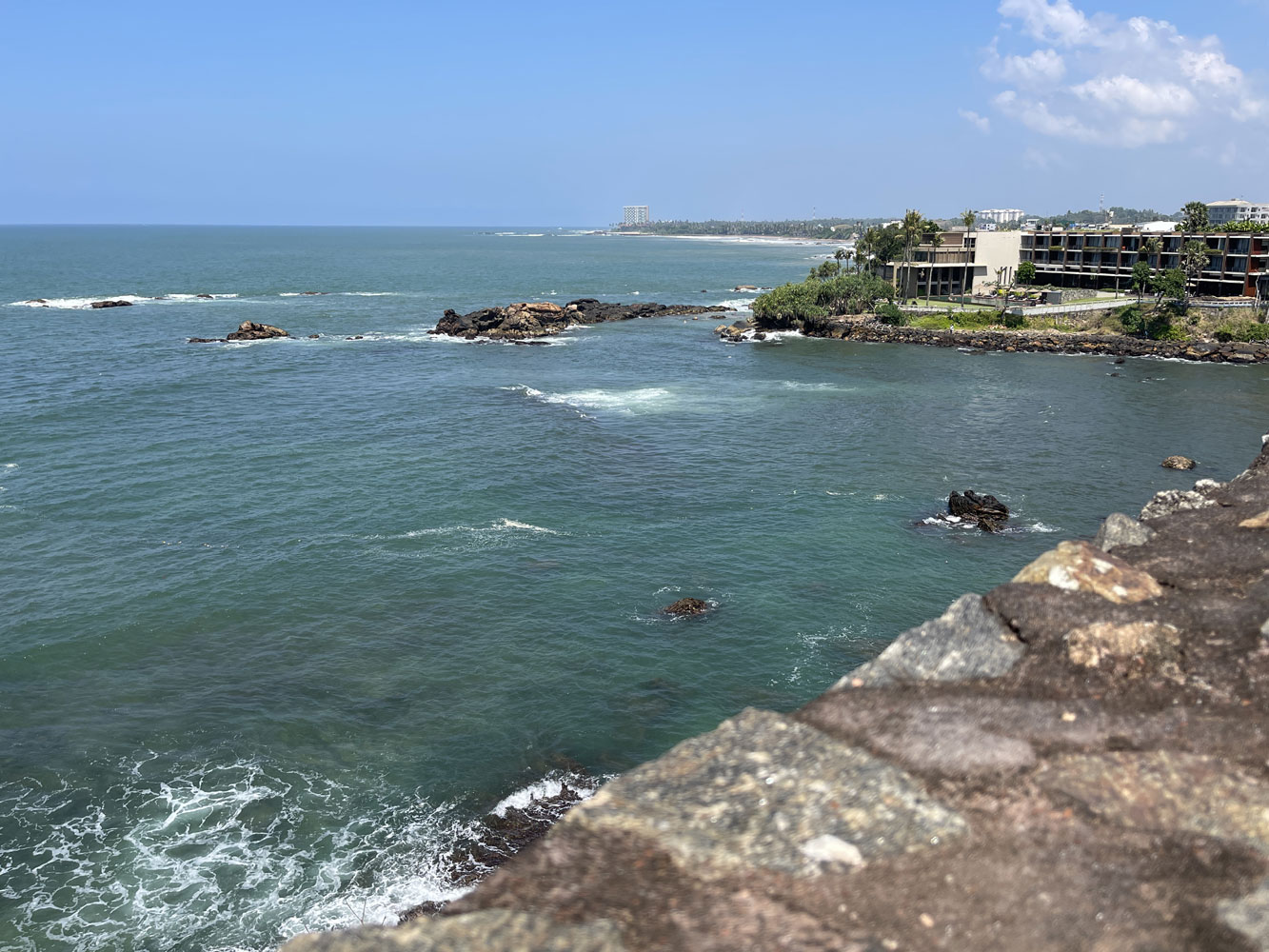
We could still see our ship on the other side of the bay. |
|
|
| |
|
| |
|
| |
|
| |
|
|
| |
|
| |
|
| |
|
| |
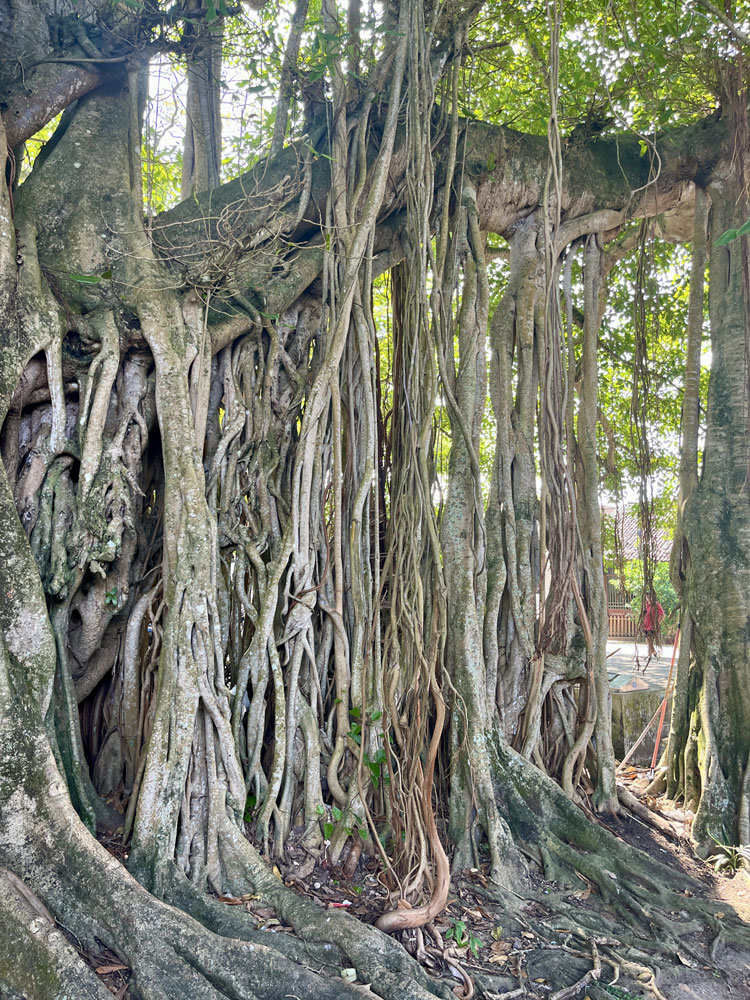
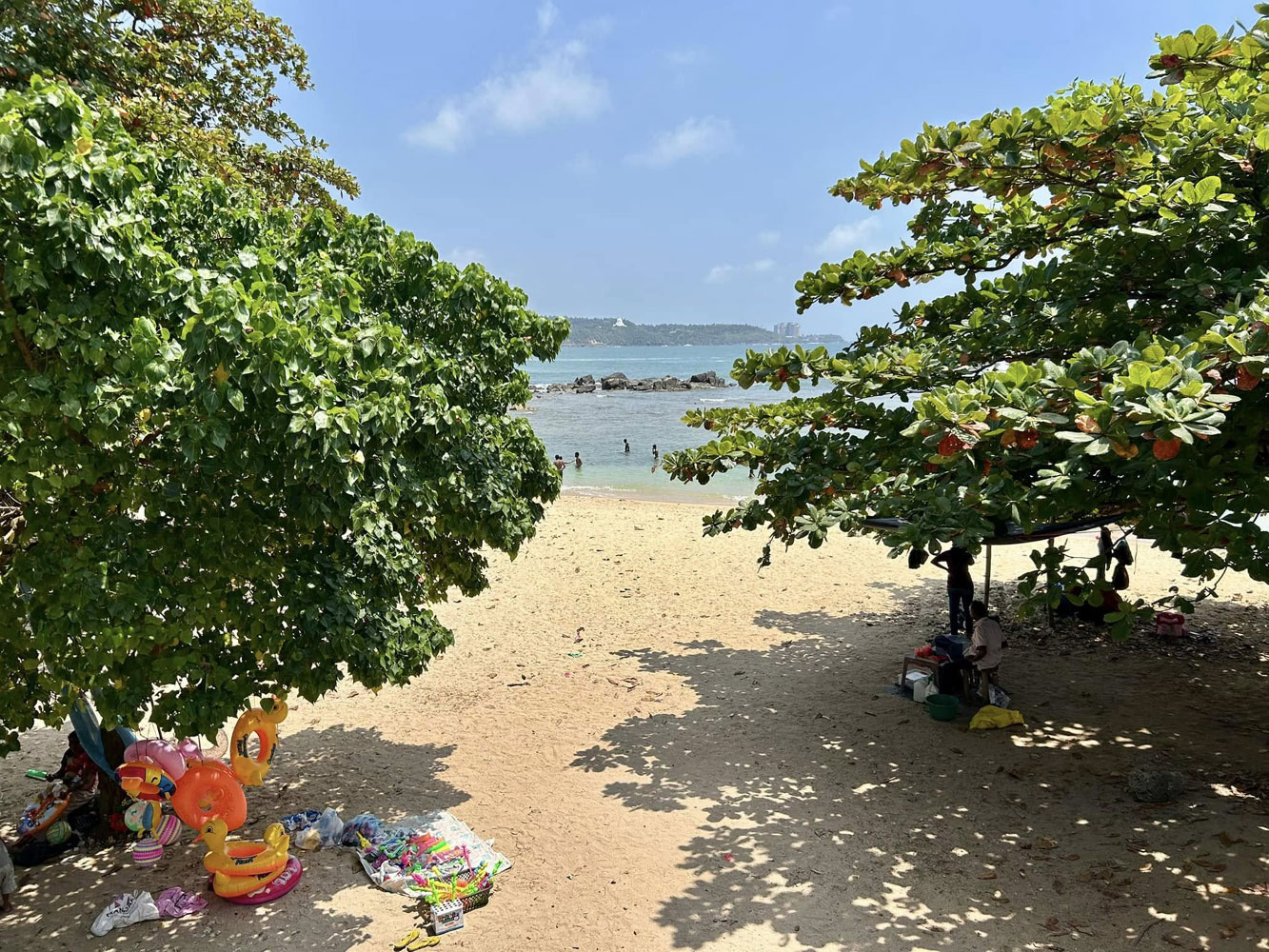
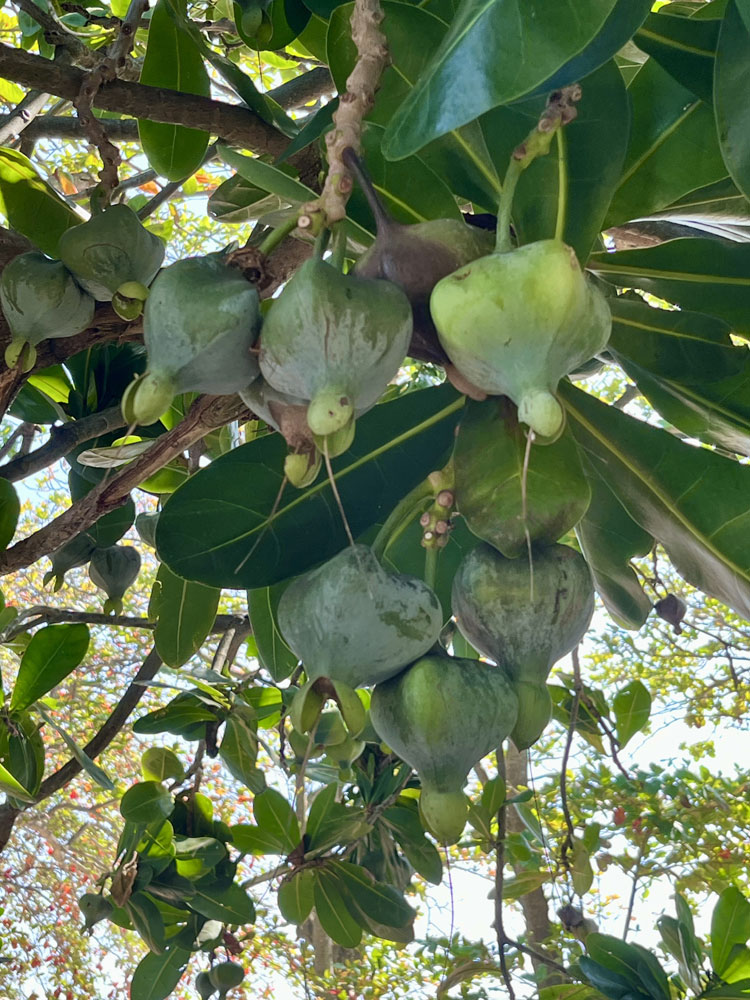
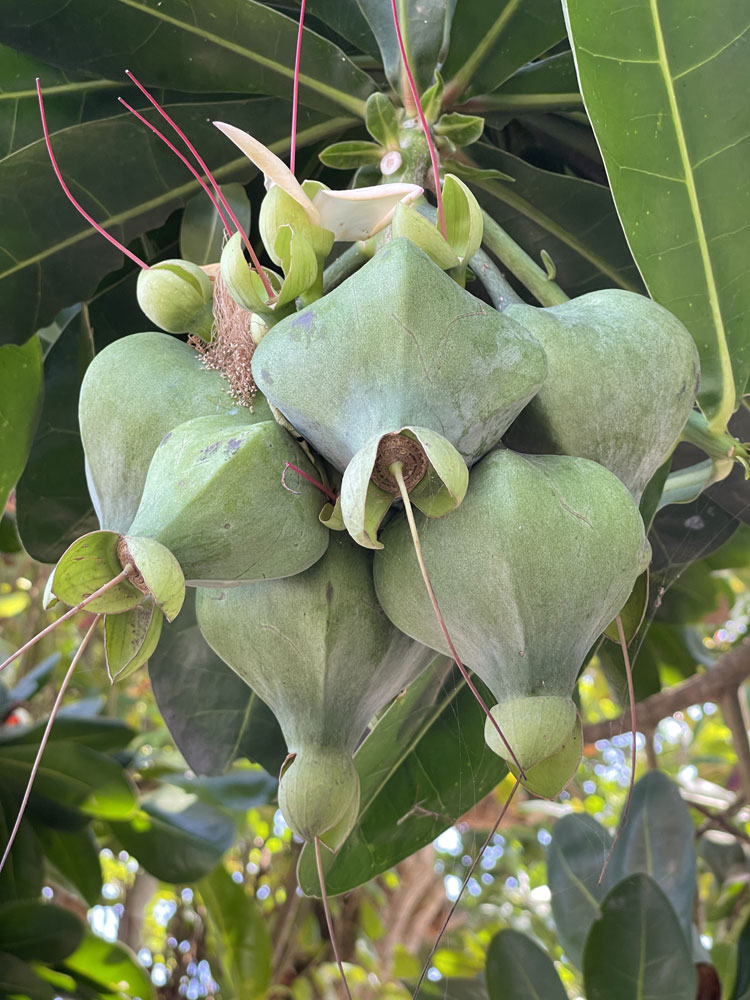
Barringtonia
asiatica, known variously as fish poison tree, putat
and beach Barringtonia amongst other names. |
|
|
|
| |
|
|
| |
|
| |
|
| |
|
| |
|
| |
|
|
| |
|
| |
|
| |
|
| |
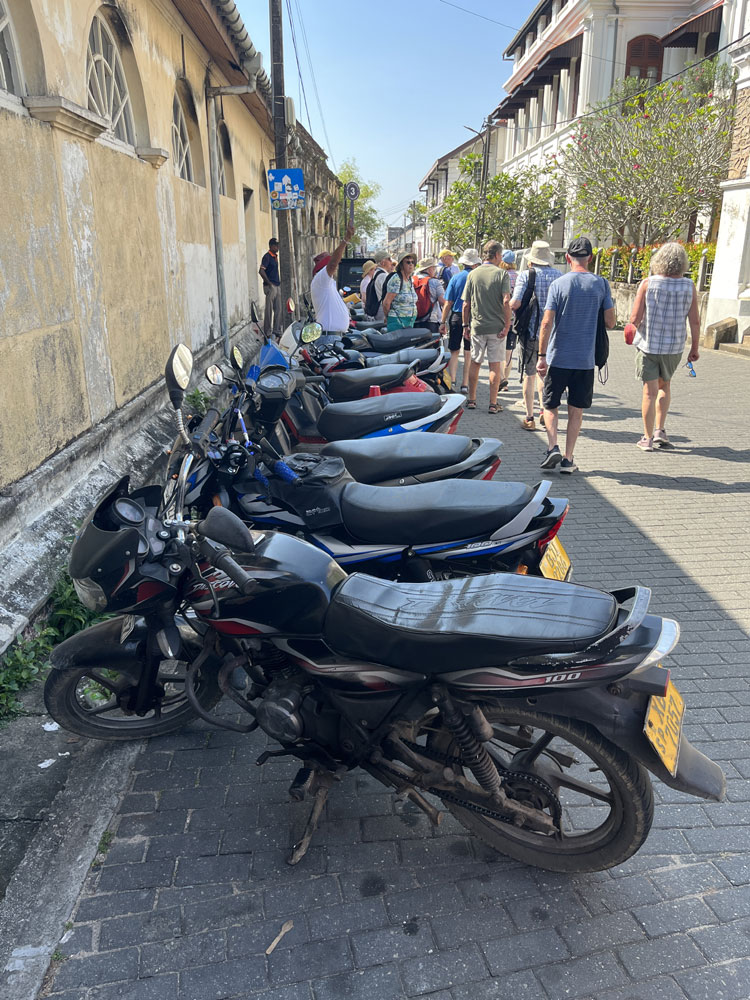
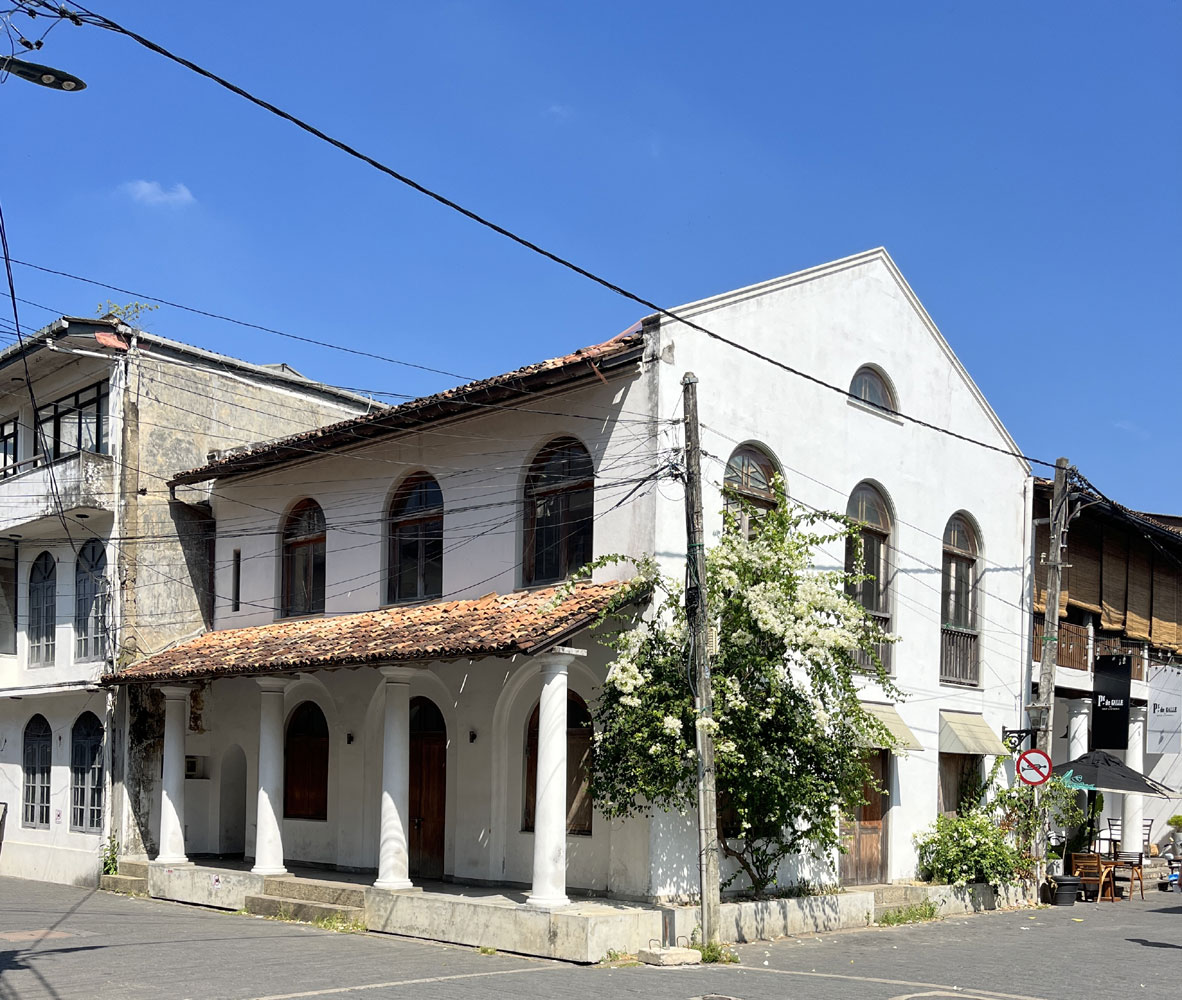
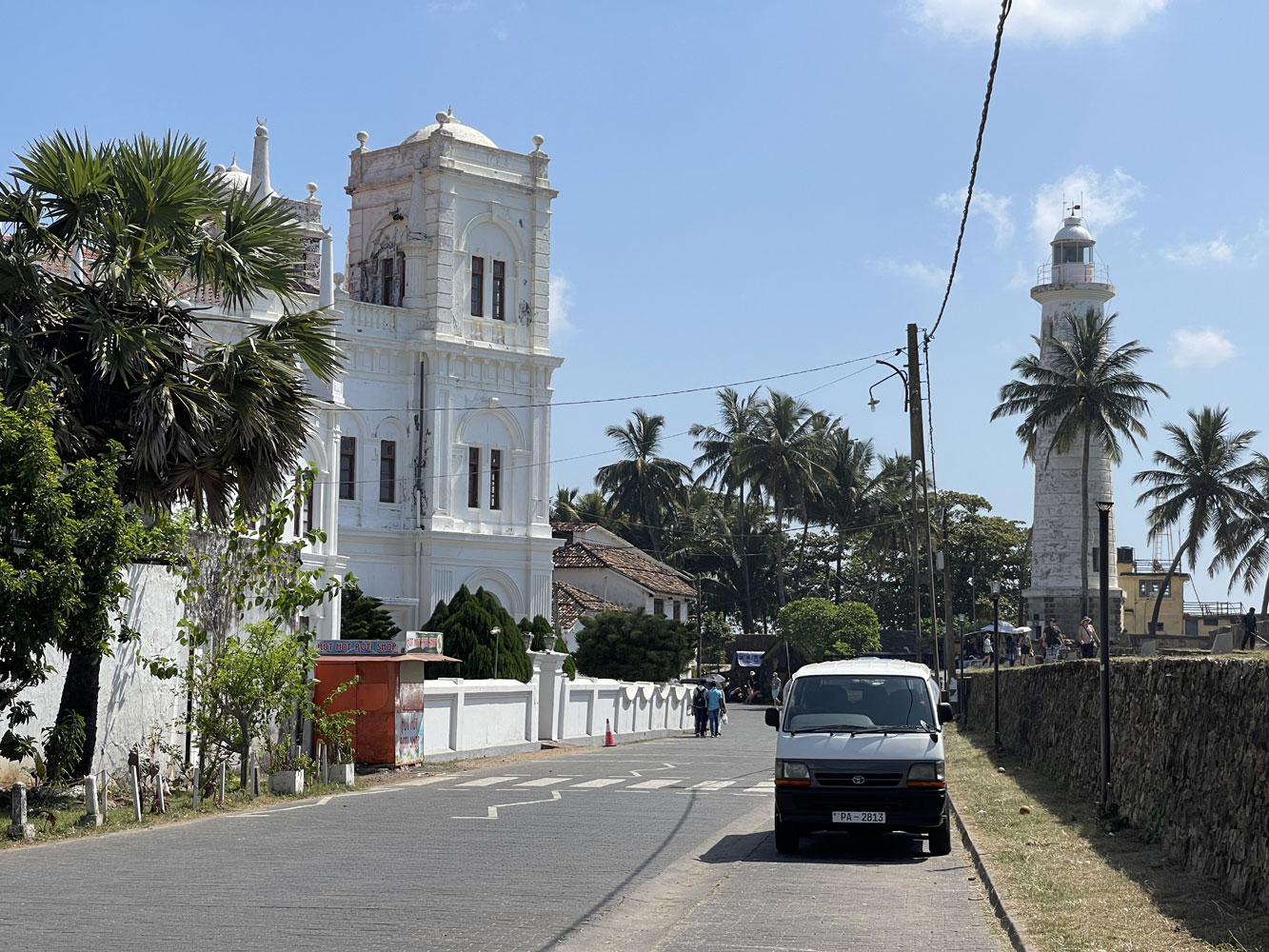
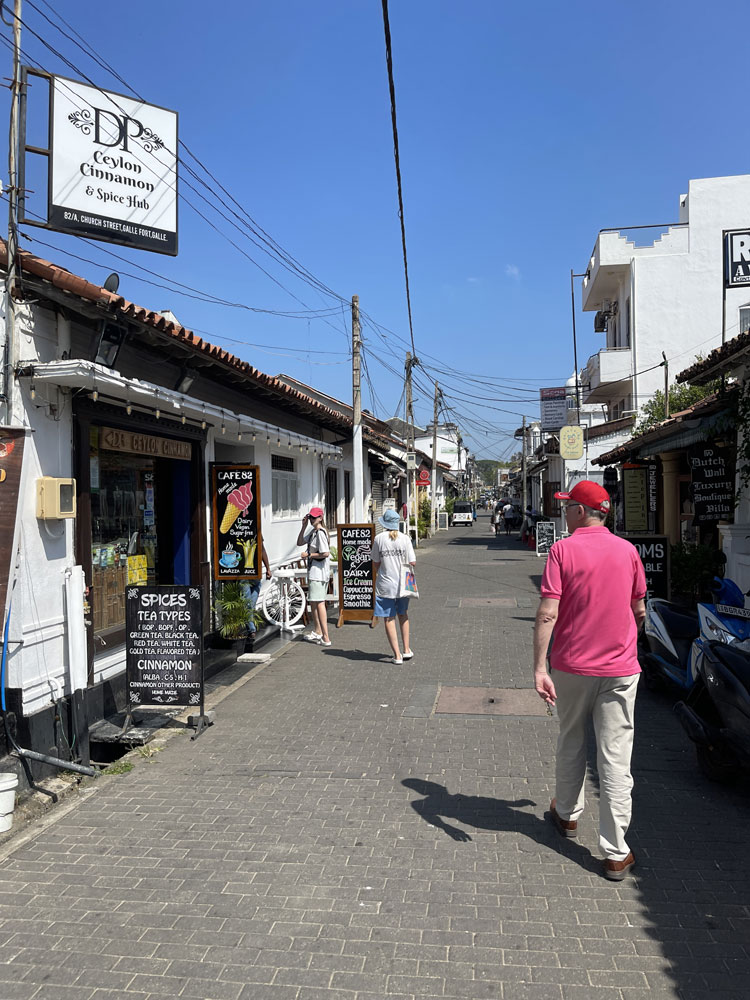
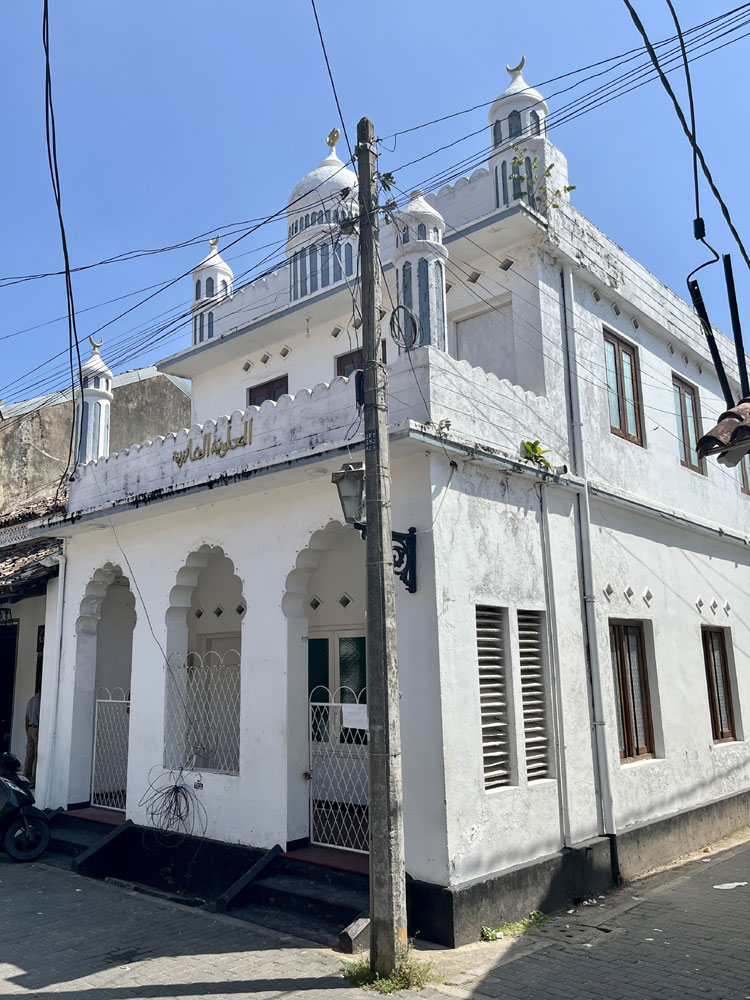
Walking back towards
the agreed meeting point, we walked along a few interesting
alleyways. |
|
|
|
| |
|
|
| |
|
|
| |
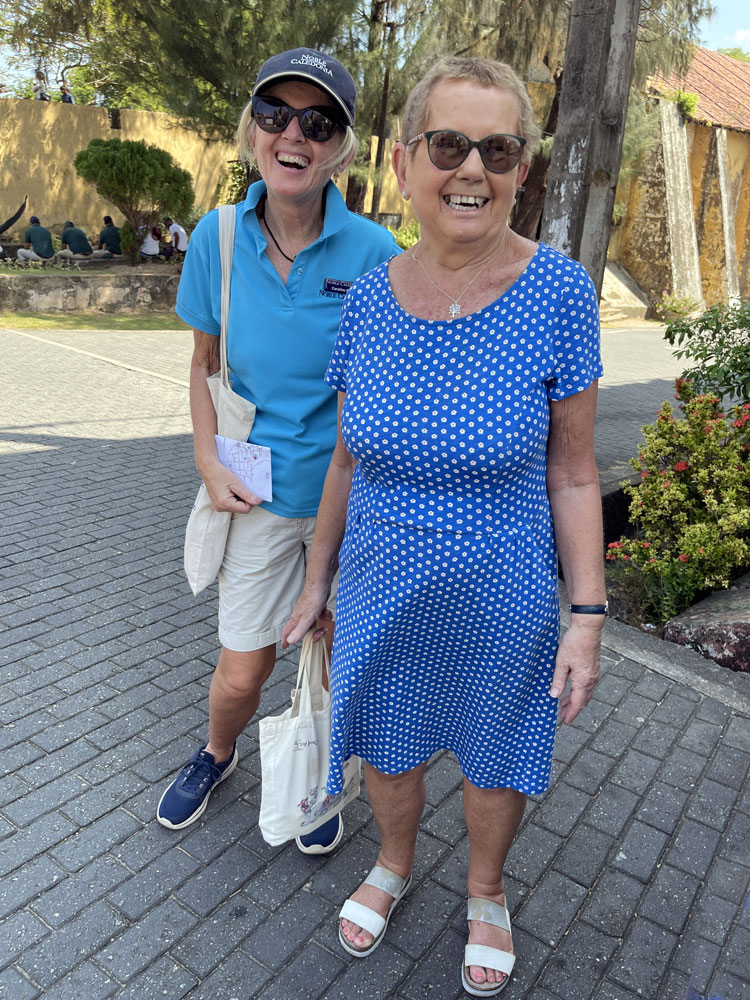
We met Caroline and
her mother, Alison, who were clearly enjoying their morning. |
|
|
| |
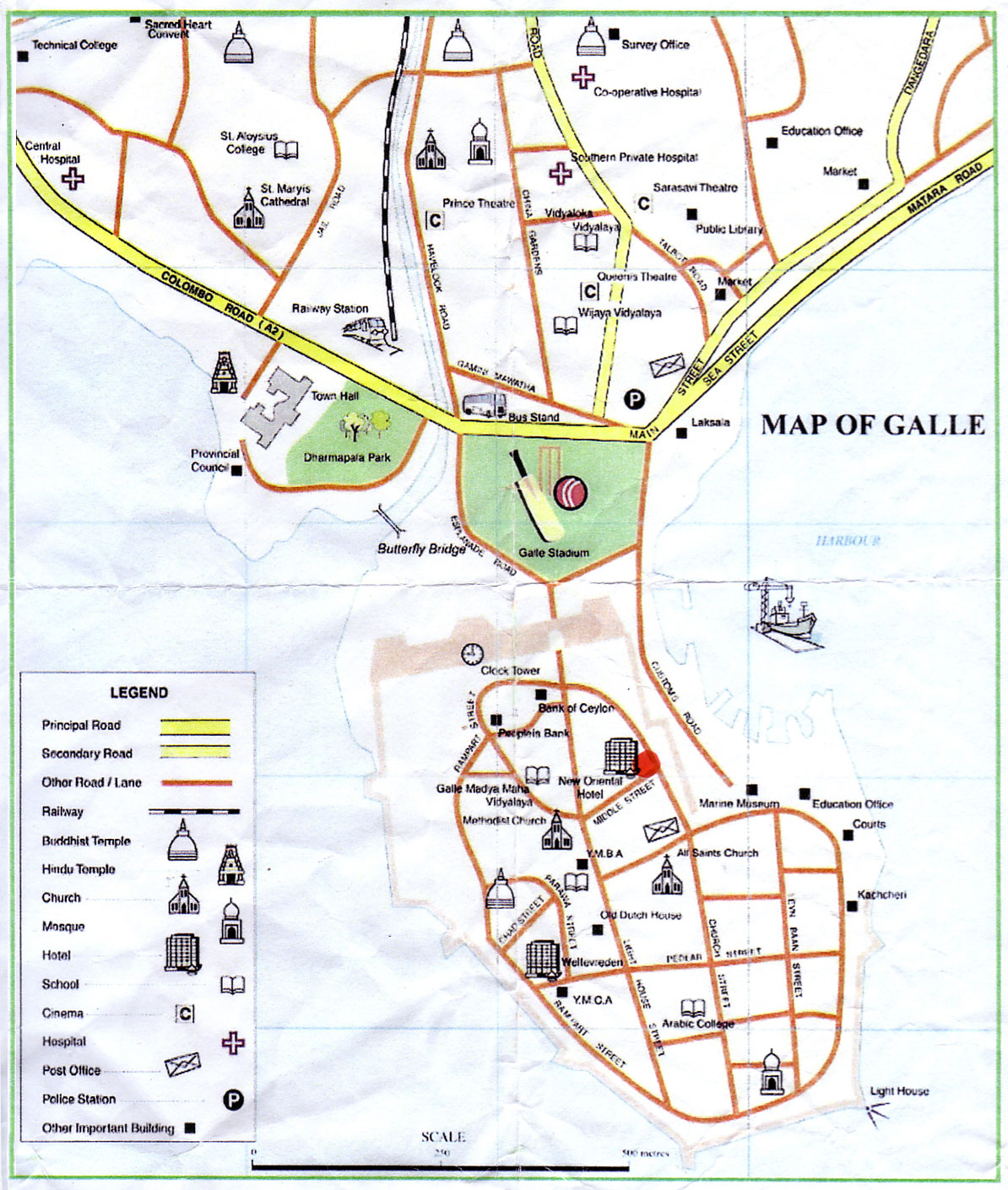
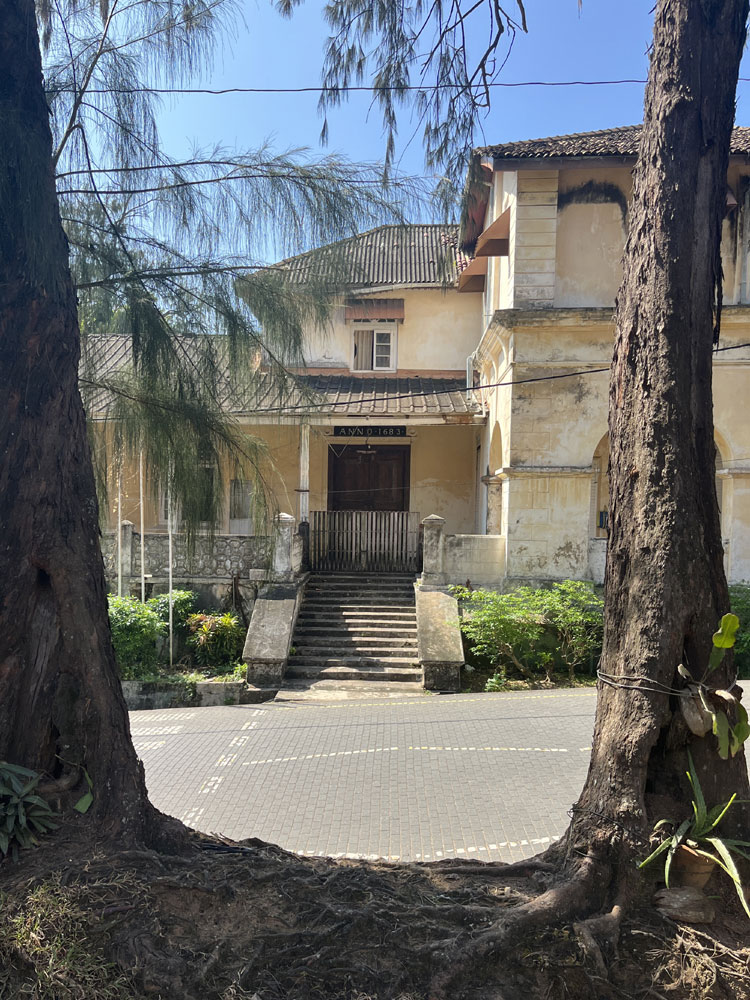
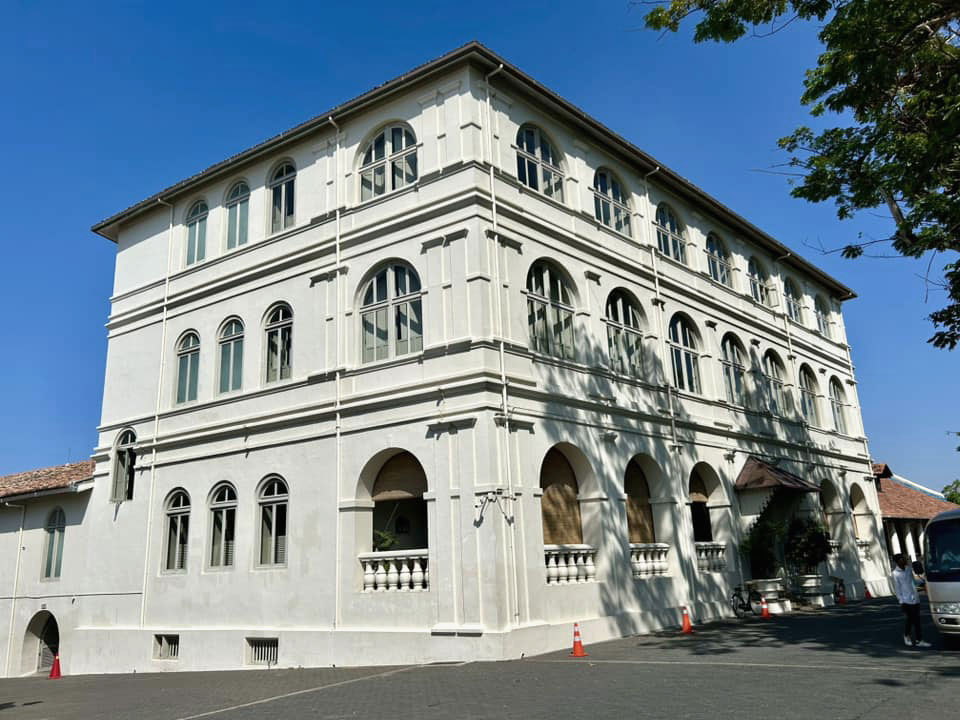
The 5-star Amangalla
Hotel was the rendezvous point for those, like us, who chose
to explore independently. The oldest part of the hotel dates
to 1684, and the complex was completed in 1715. It was known
as the New Oriental Hotel for 140 years from 1865 and became
Amangalla resort complex in 2005. From here, we took a coach
back to the ship. |
|
|
| |
|
| |
|
| |
|
| |
|
| |
|
| |
We arrived back at the
ship in time for lunch, before leaving for our afternoon
excursion to a tea estate - see next page. |
|
| |

|
|