|
Warsaw at leisure - exploring
the city by ourselves
|
|
|
|
|
| |
During our orientation
tour yesterday, we saw several places of interest briefly
and decided that today would be an ideal day to explore
them in more depth. Geoff had also done some research
before we left home and found a well-reviewed restaurant
which he booked for dinner this evening. To start our
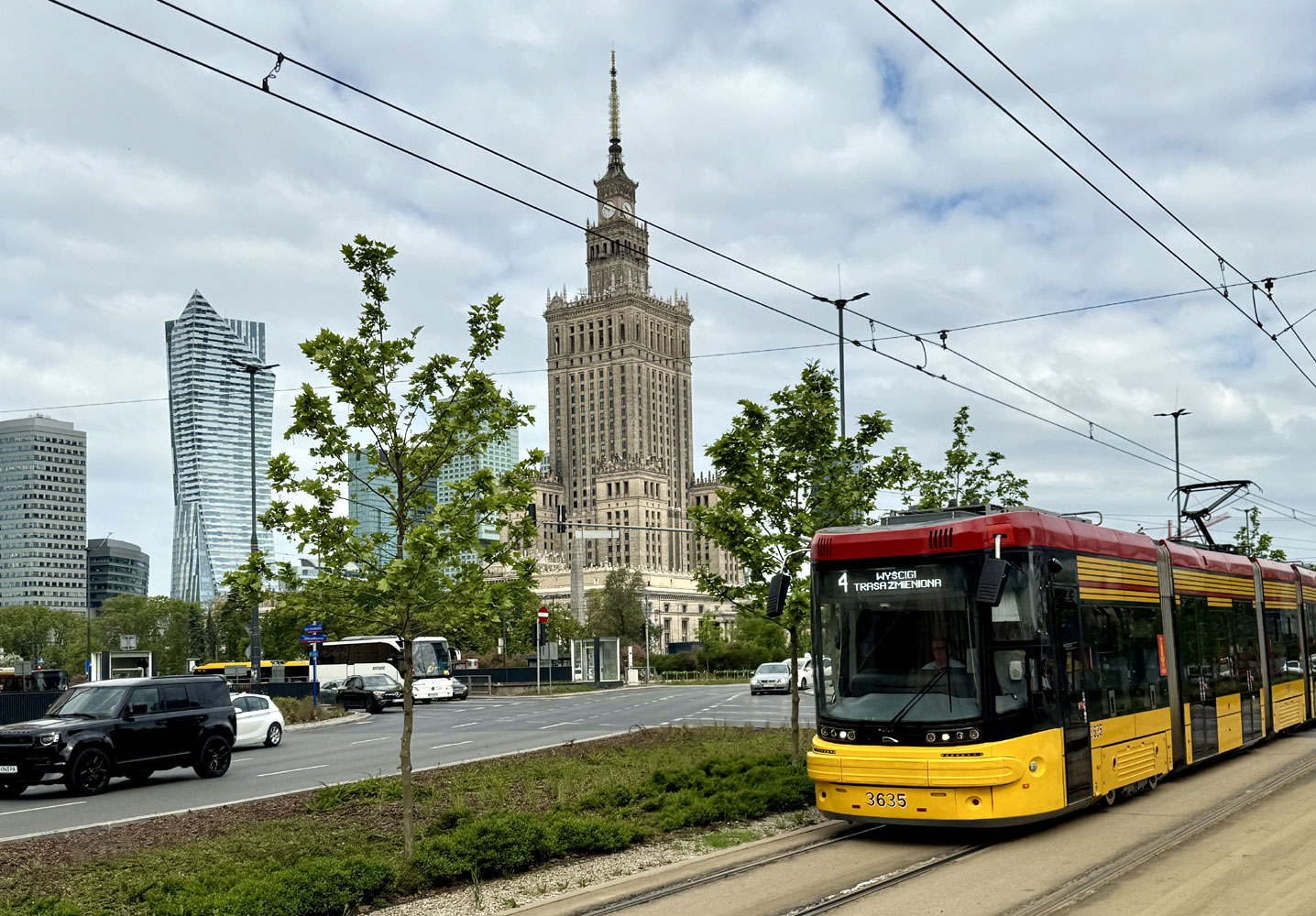
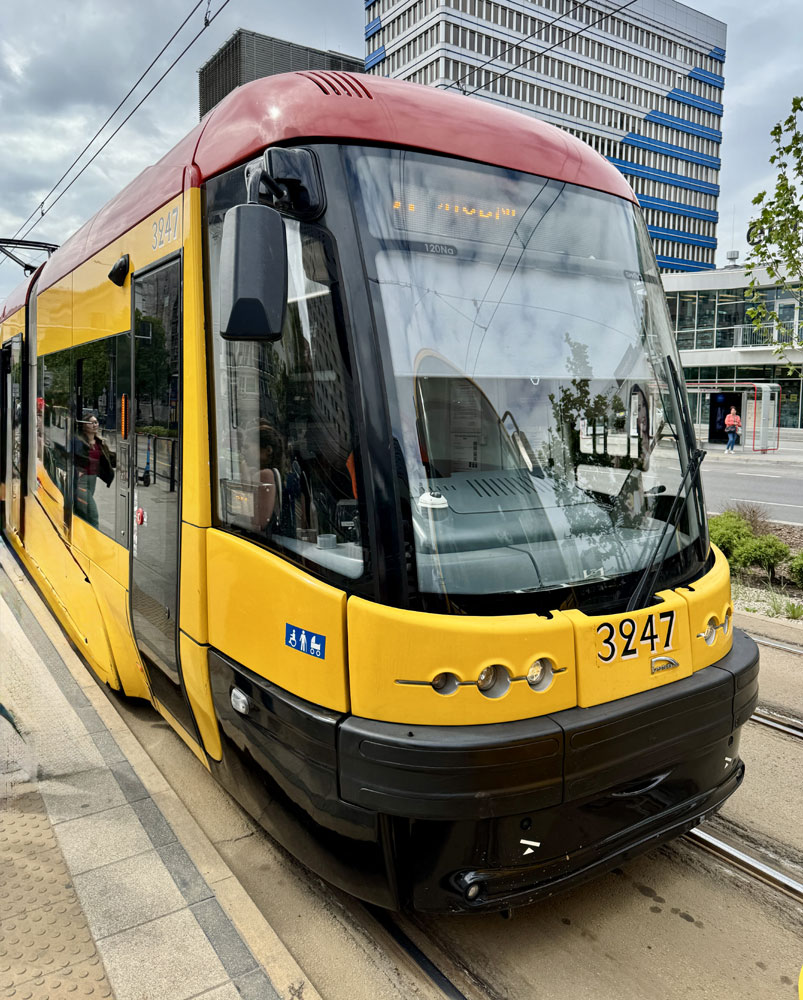
day off, we bought tickets for the tram and took one for
the short journey to the Old Town, which we had visited
all too briefly yesterday.
|
|
|
| |
|
| |
|
| |
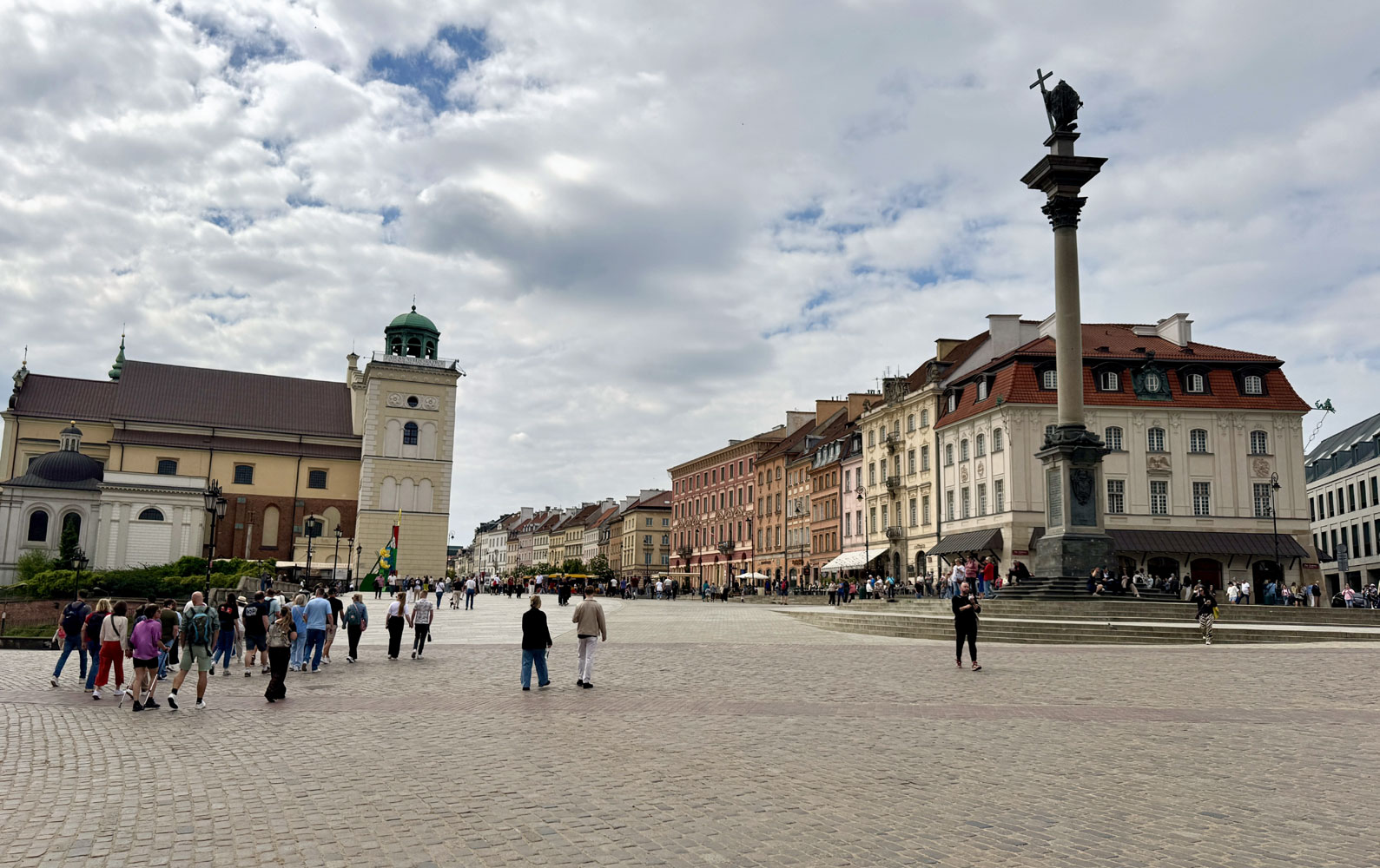
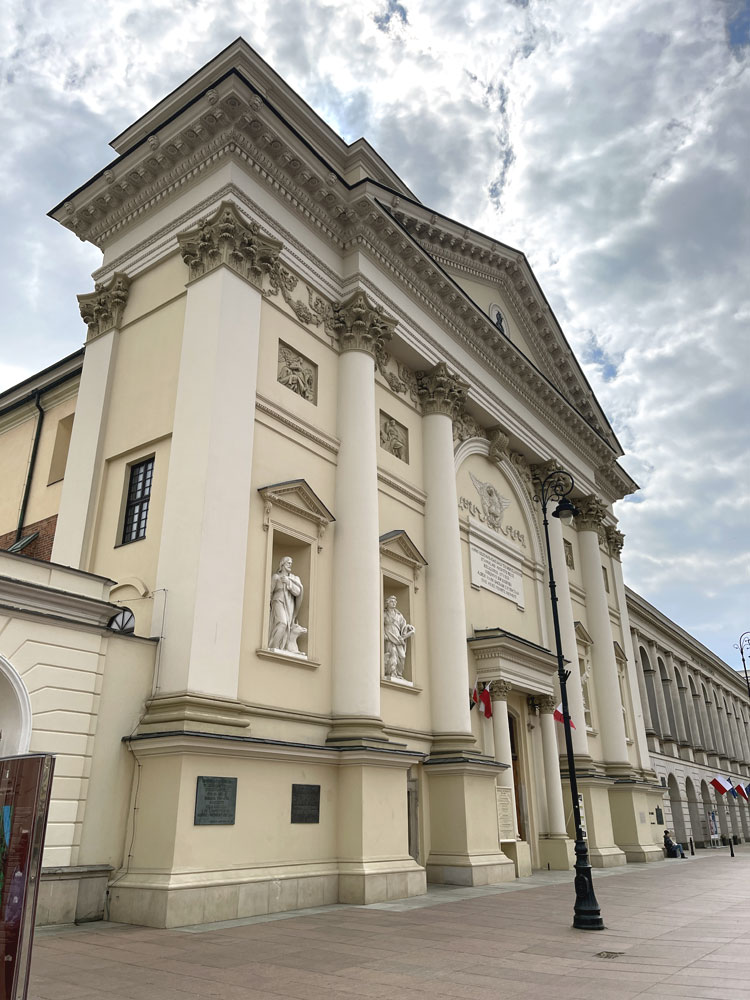
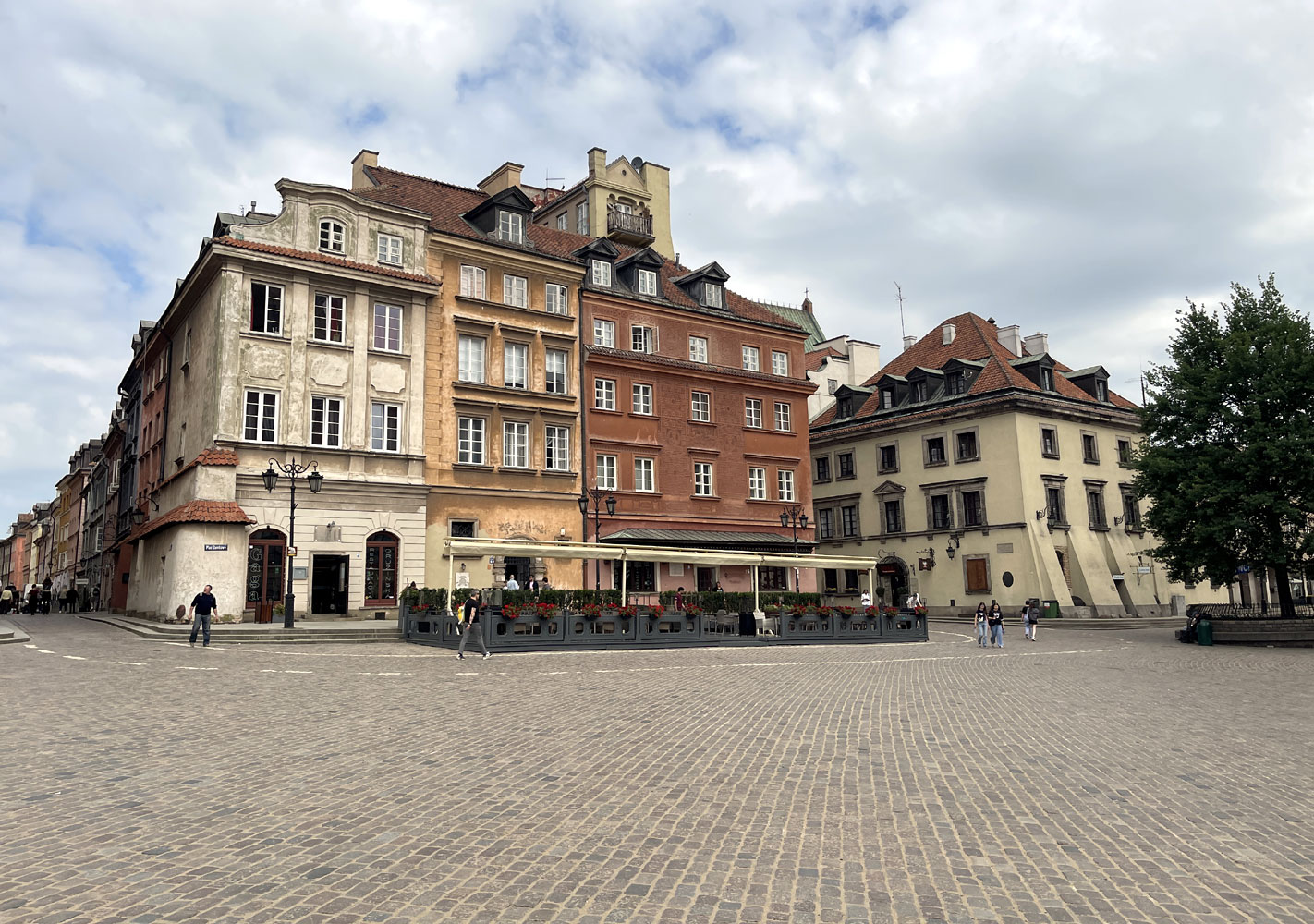
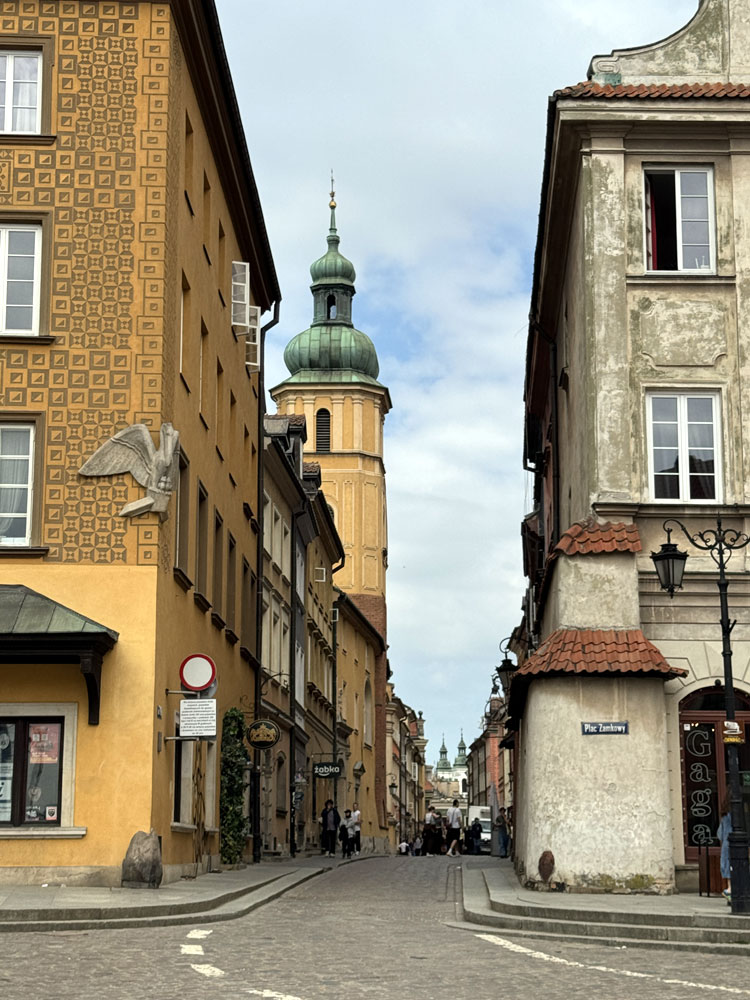
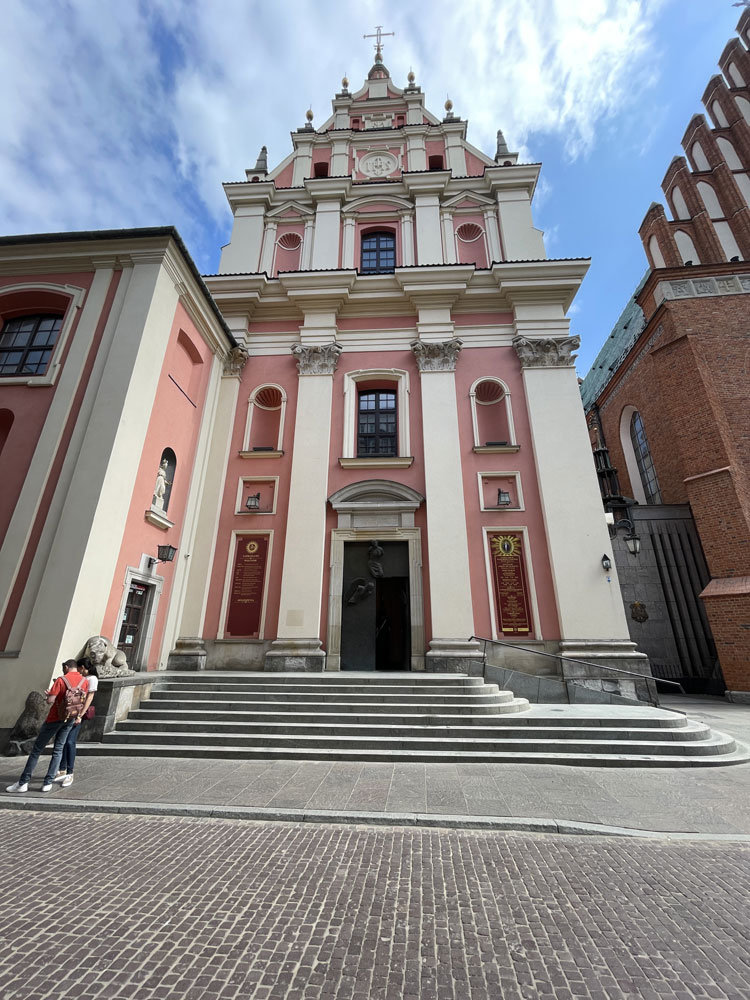
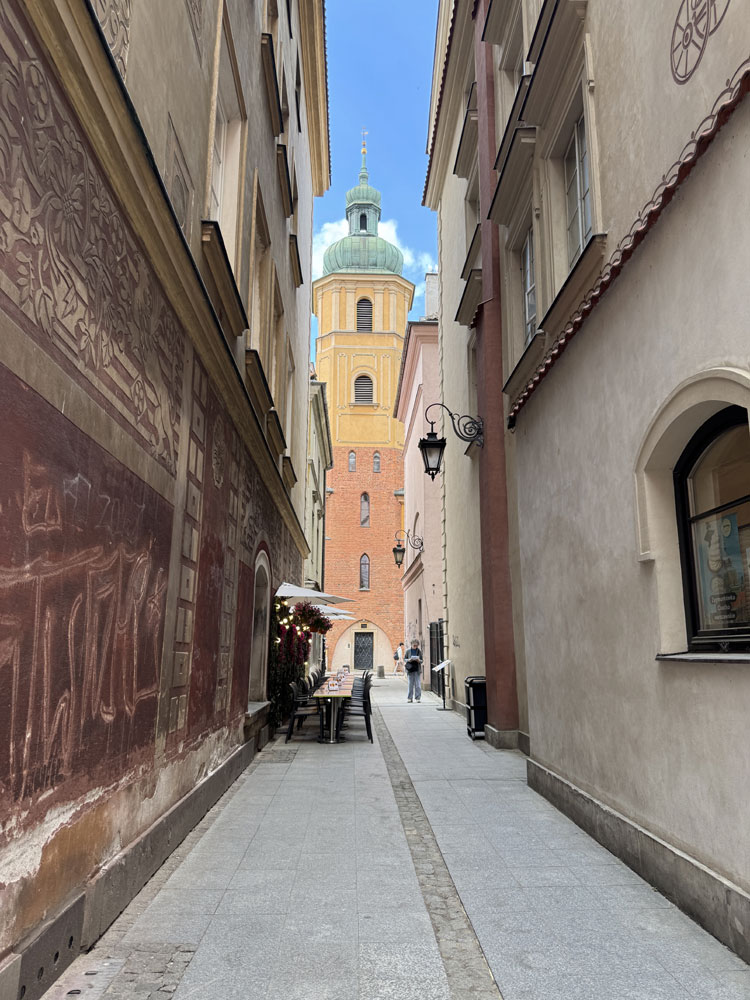
We were soon in Warsaw's
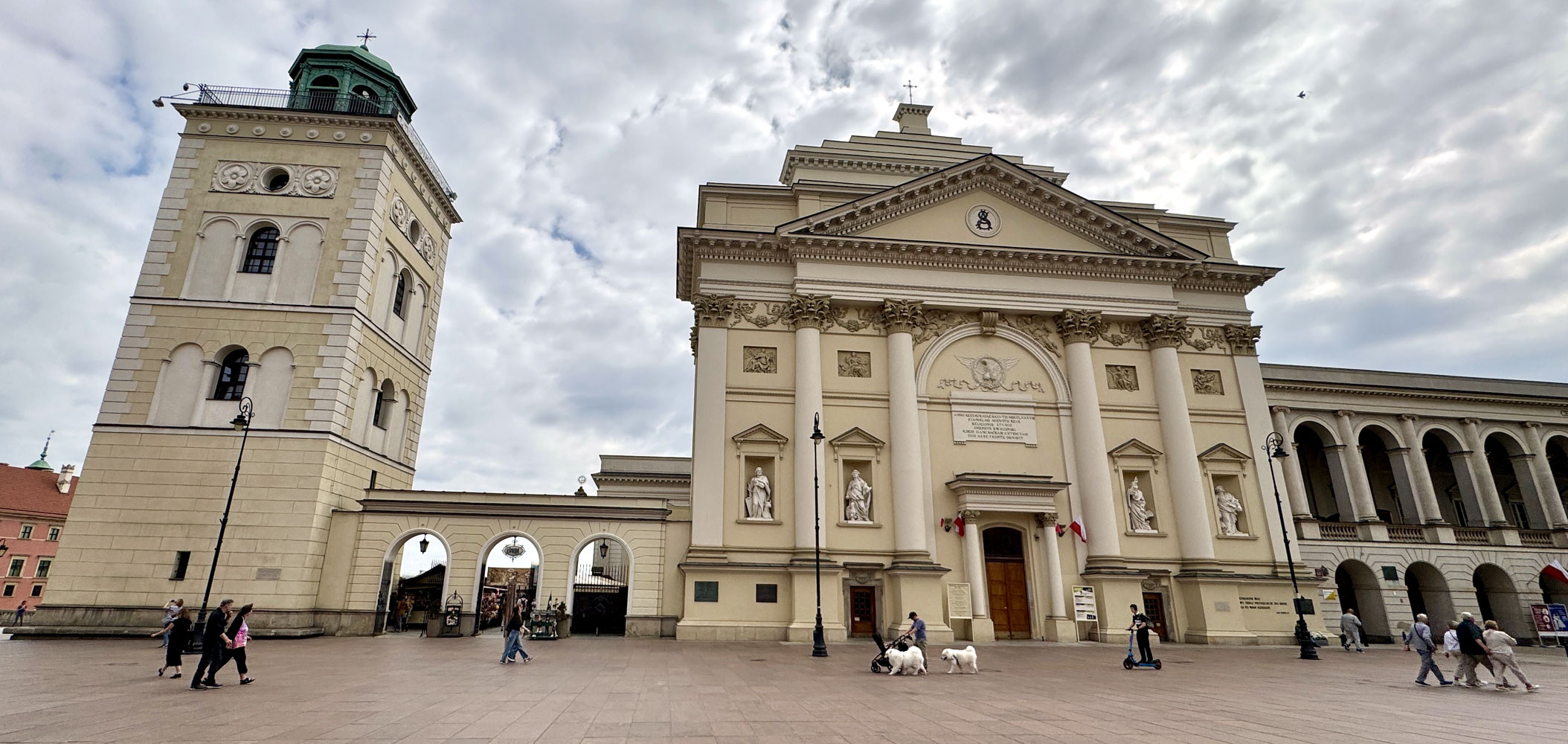
Old Town once again. We walked towards St Anne's Church
(on the left).
|
|
|
| |
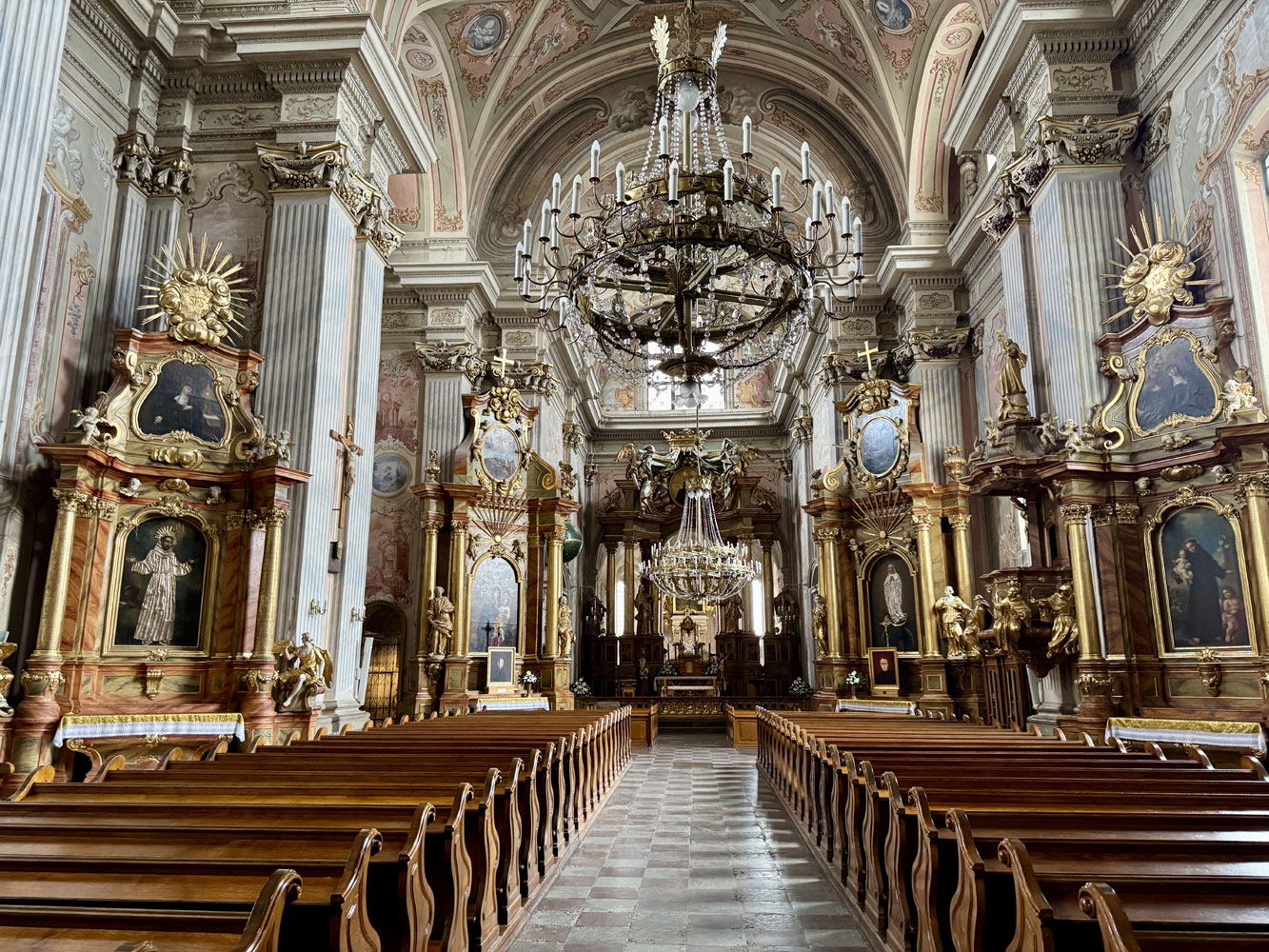
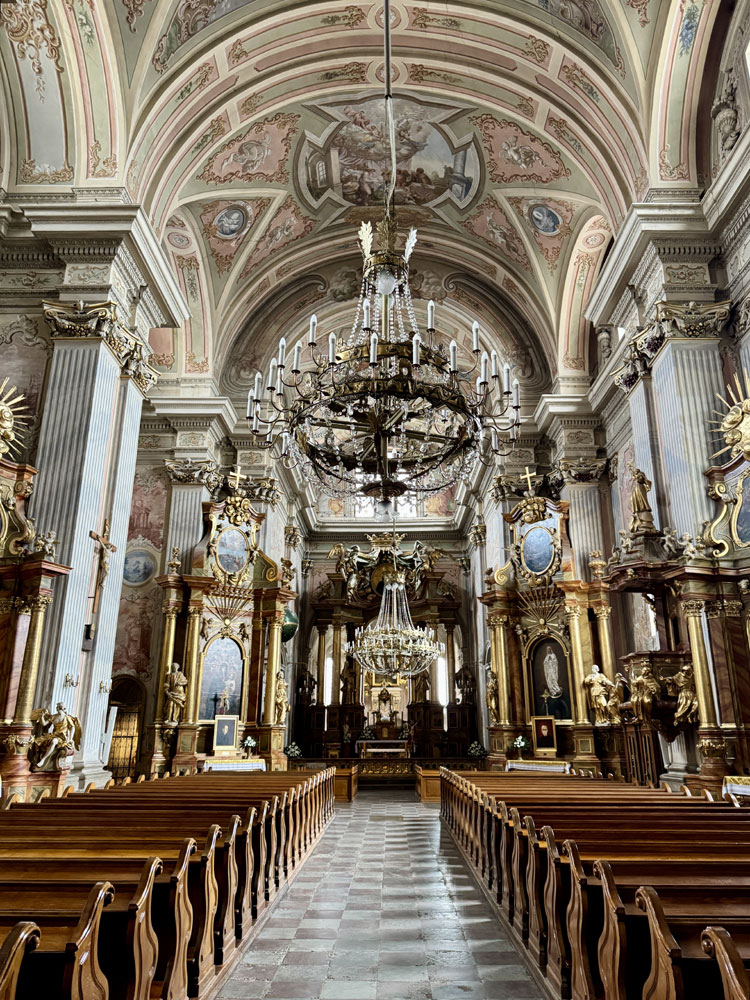
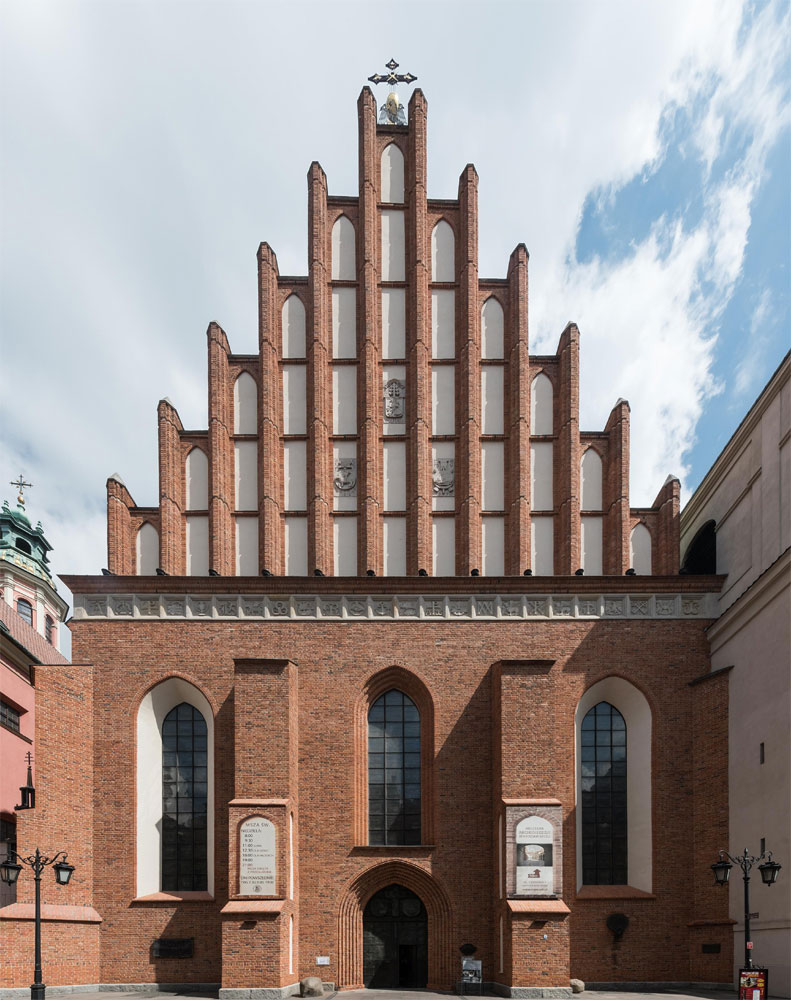
St.
Anne's Church is one of Poland's most notable churches,
with a Neoclassical facade. It ranks among Warsaw's oldest
buildings. |
|
|
| |
|
| |
|
|
| |
|
|
| |
|
| |
|
| |
|
| |
|
| |
|
|
| |
|
| |
|
|
| |
|
| |
|
| |
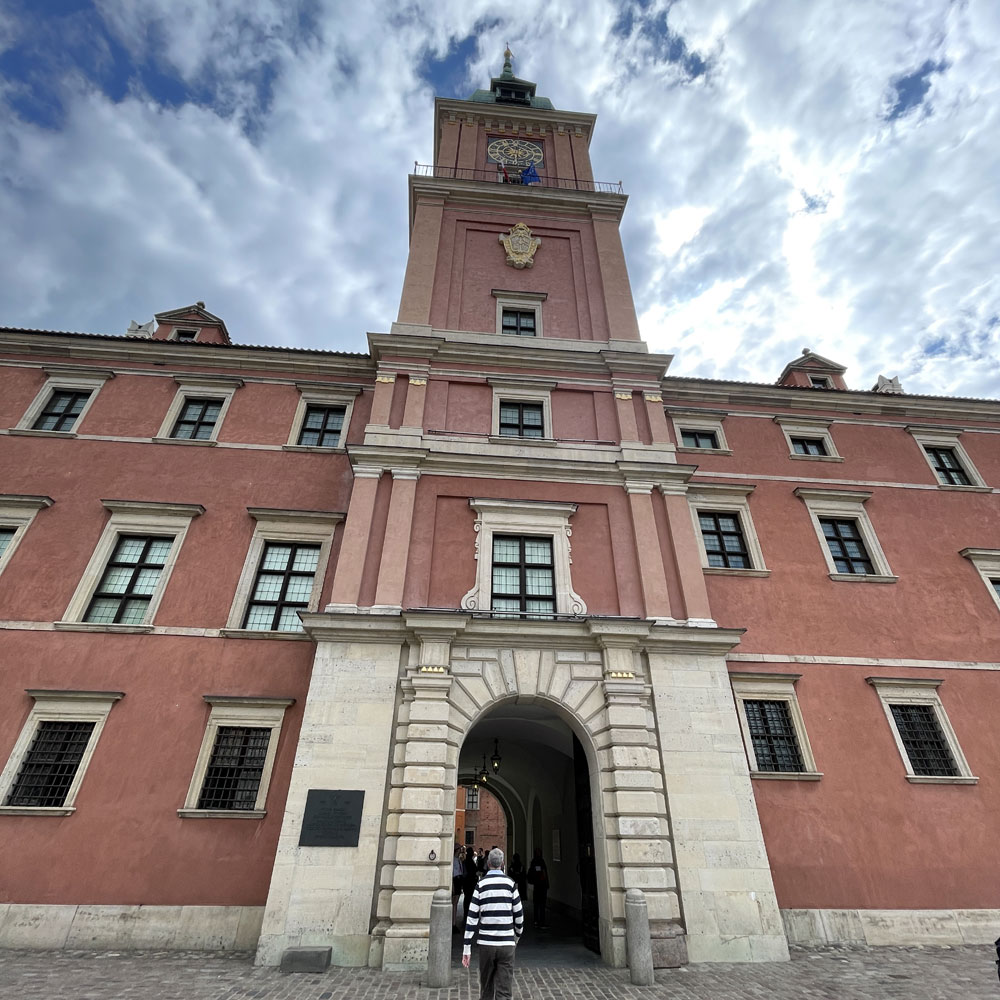
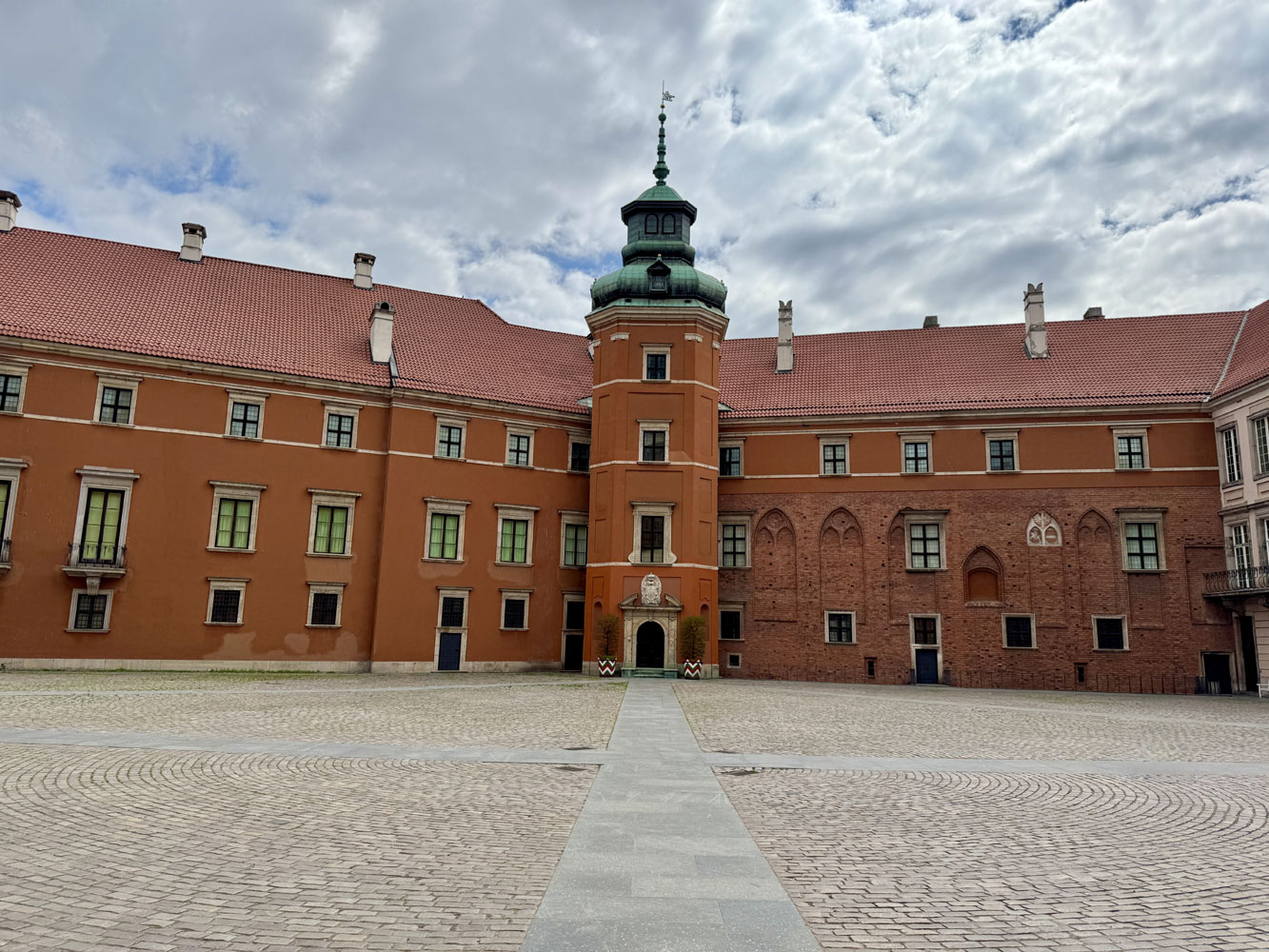
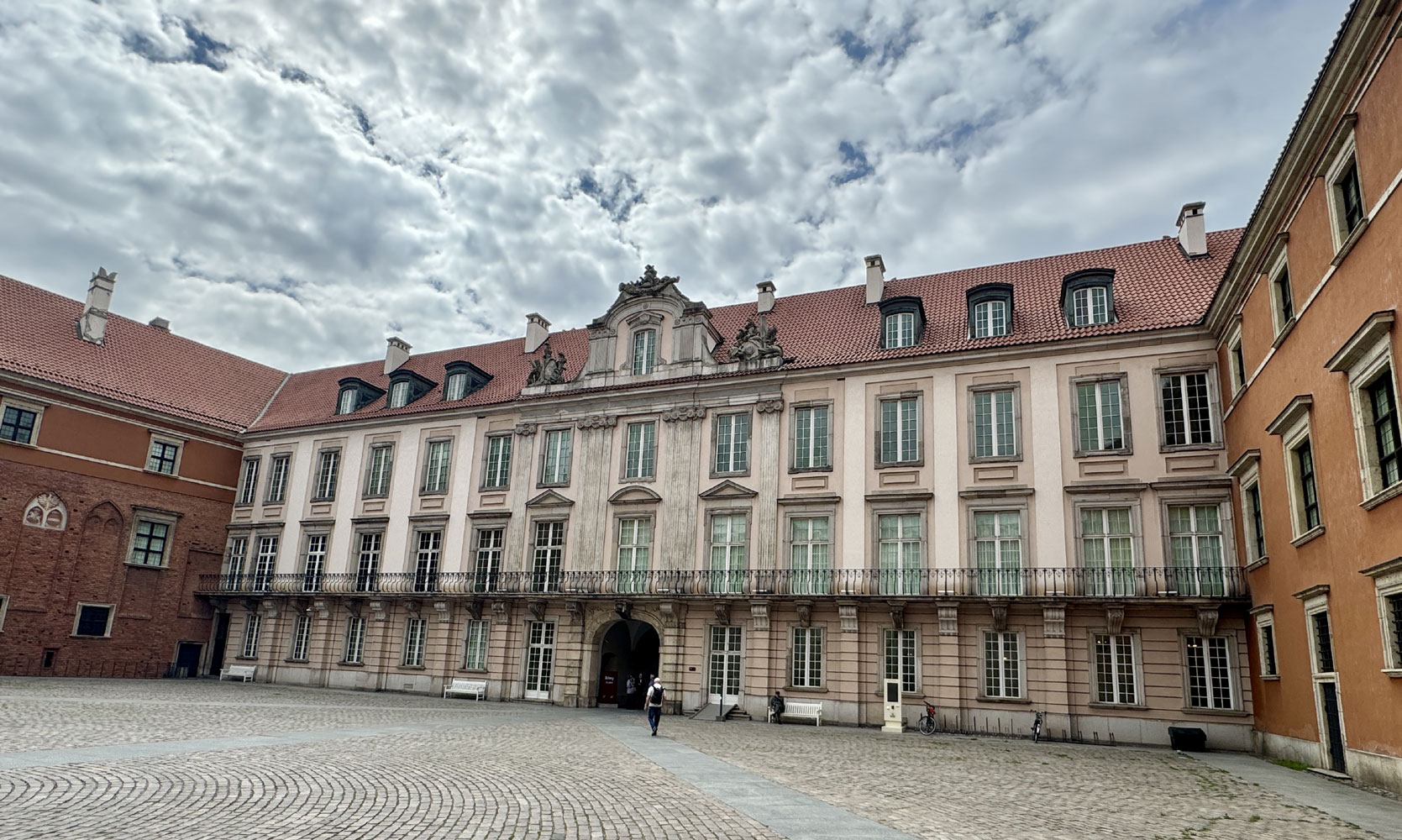
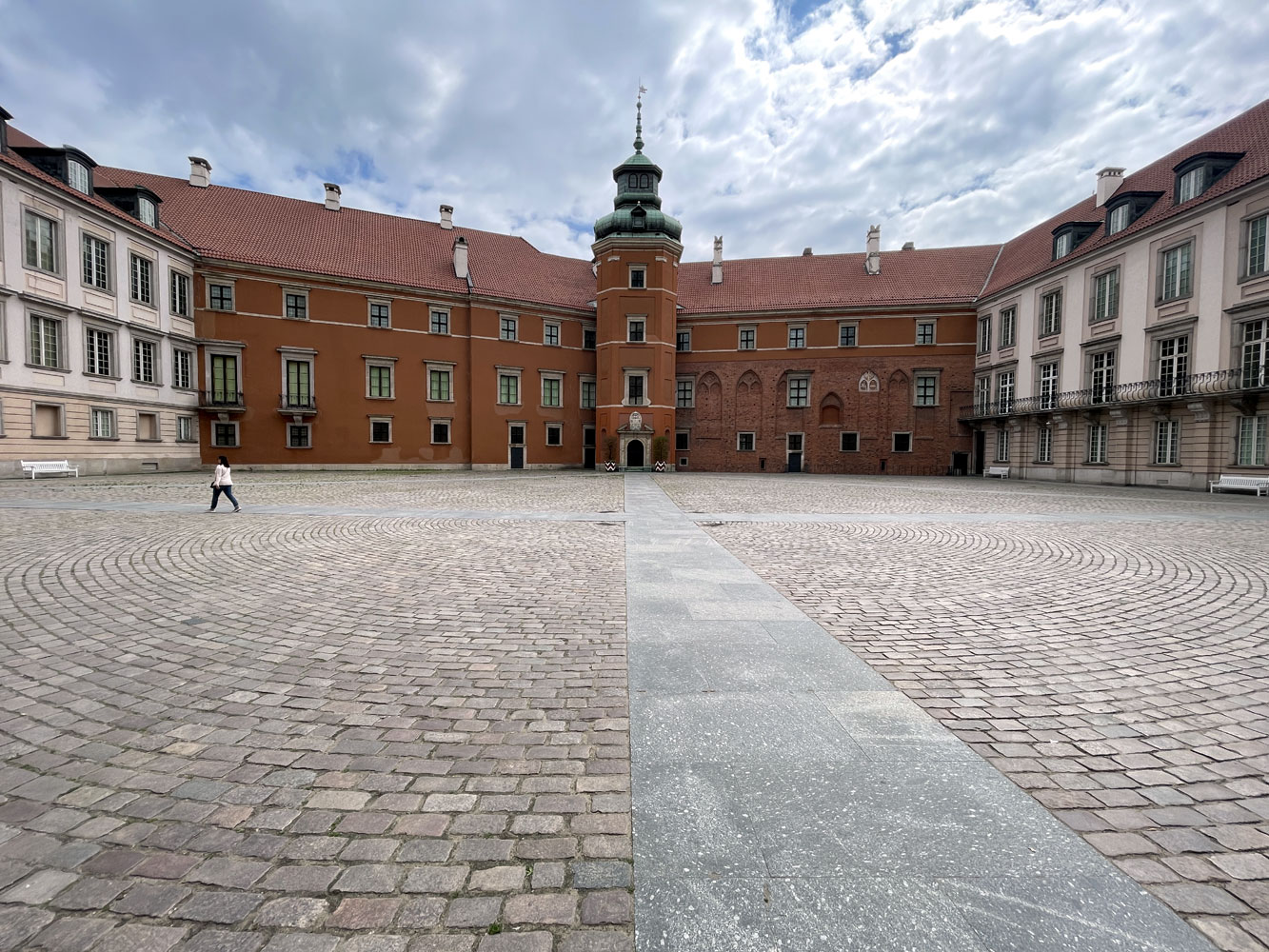
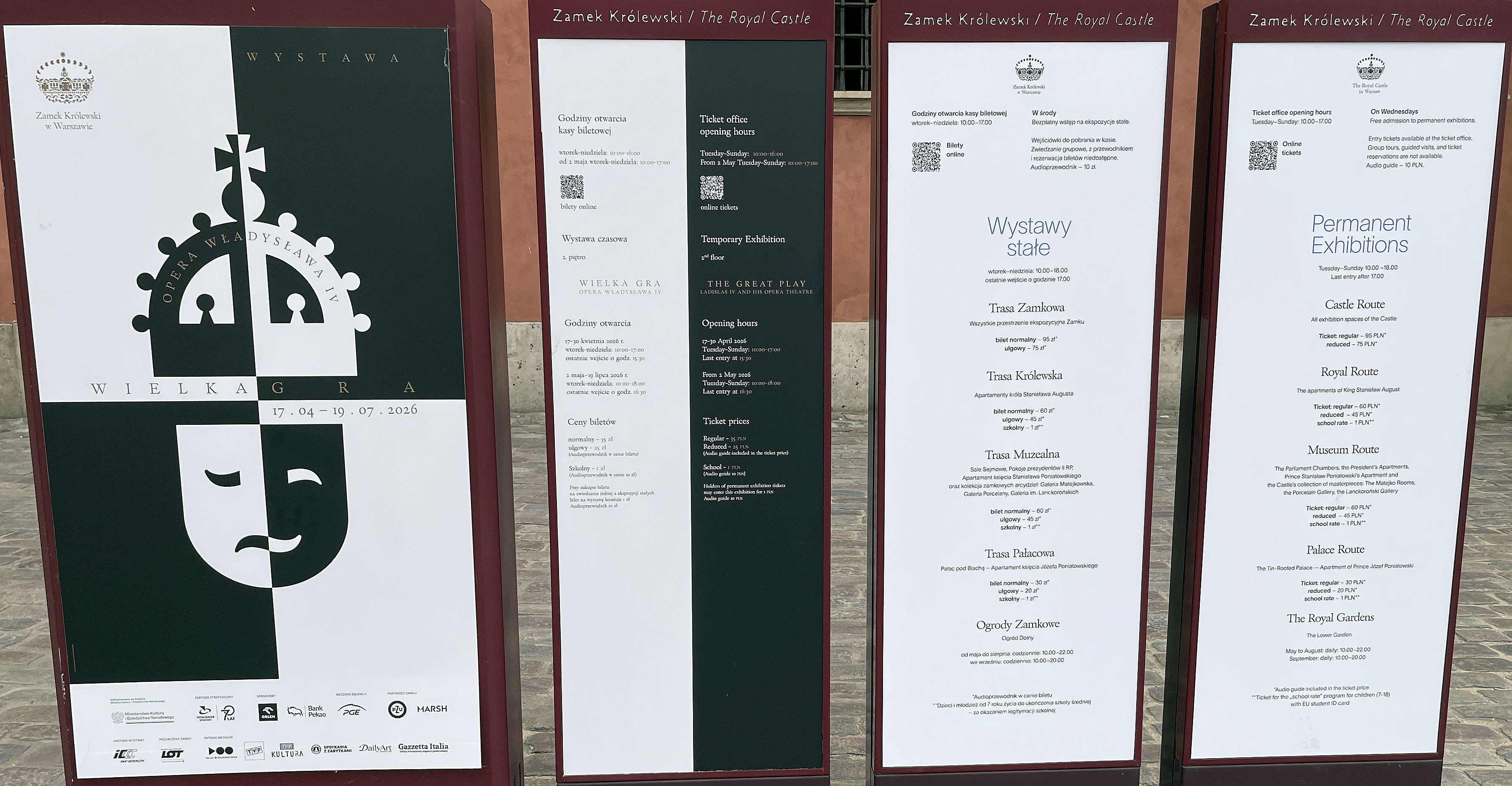
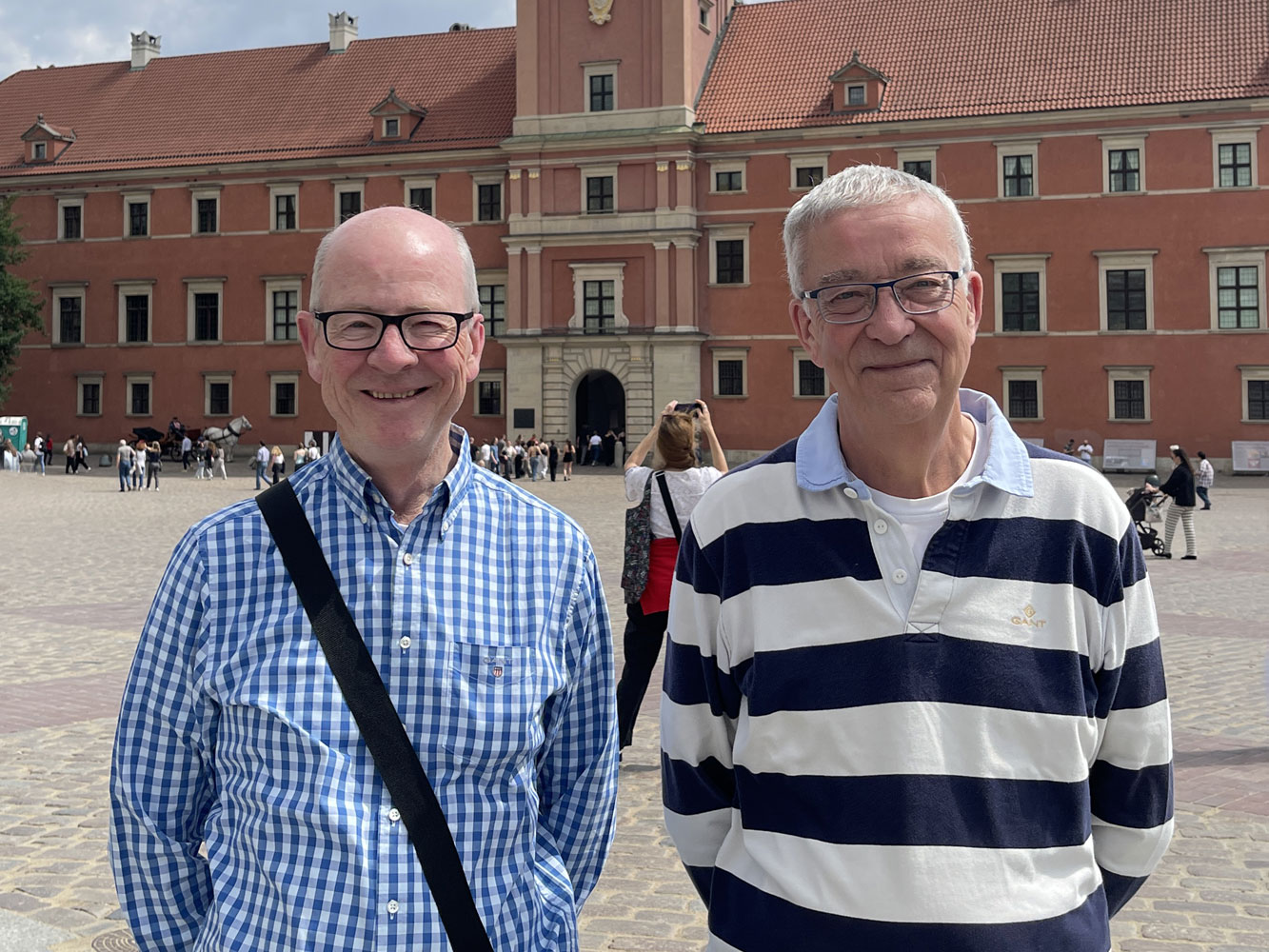
We walked into the central
courtyard of the castle, but decided not to visit the museum. |
|
|
| |
|
| |
|
| |
|
| |
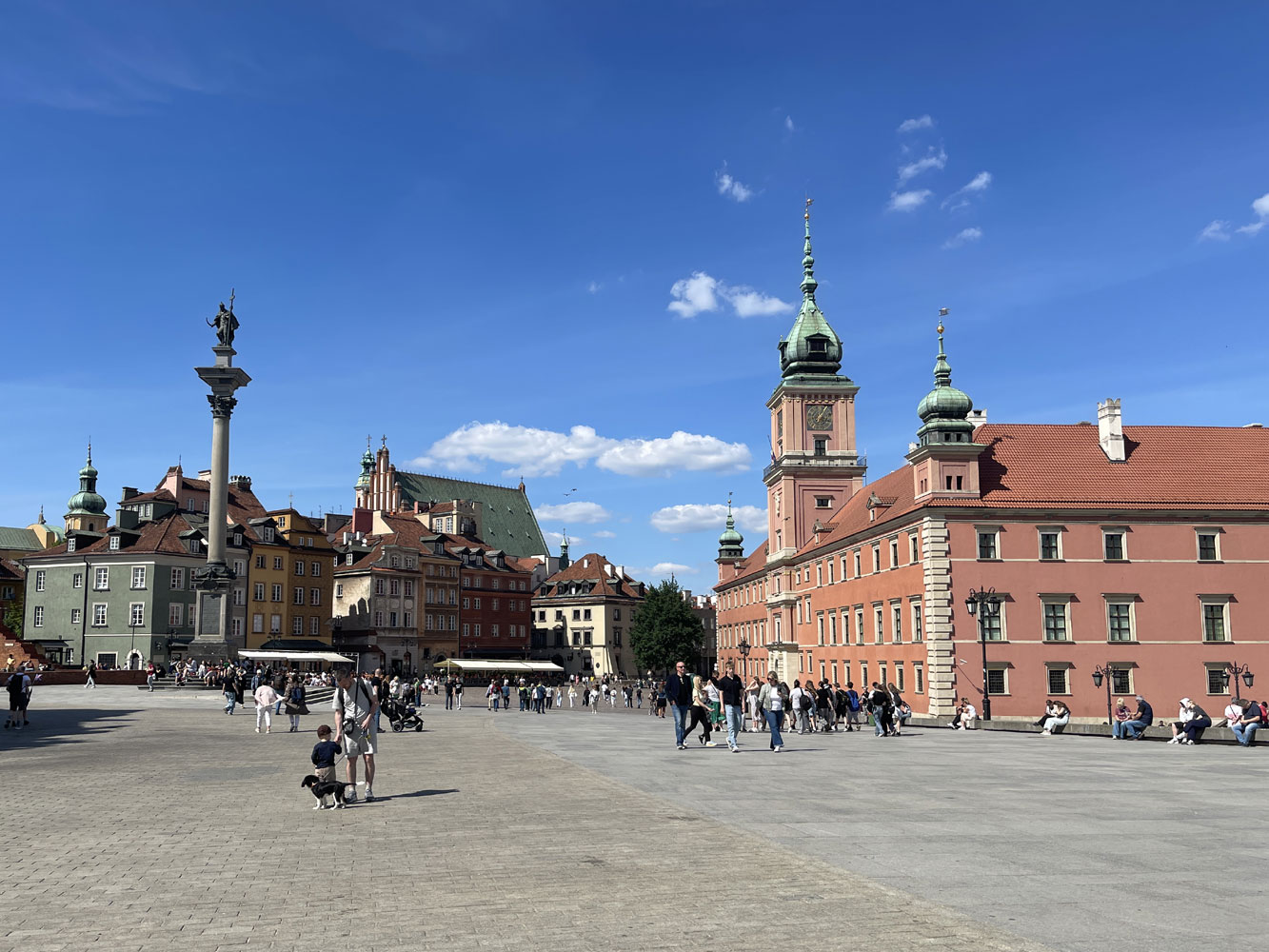
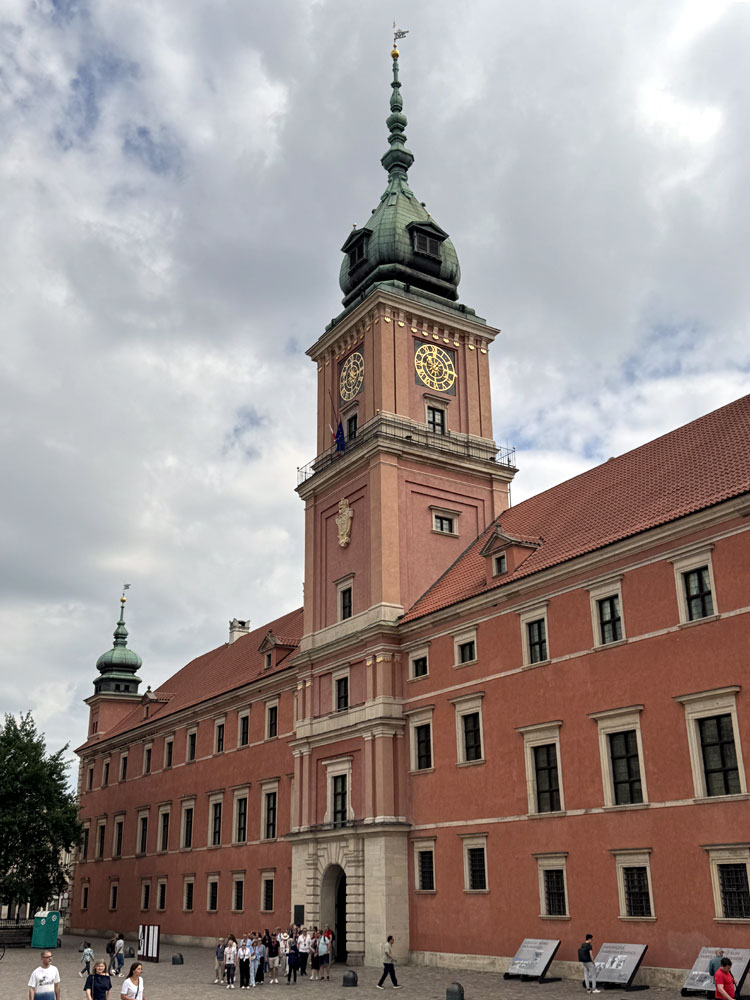
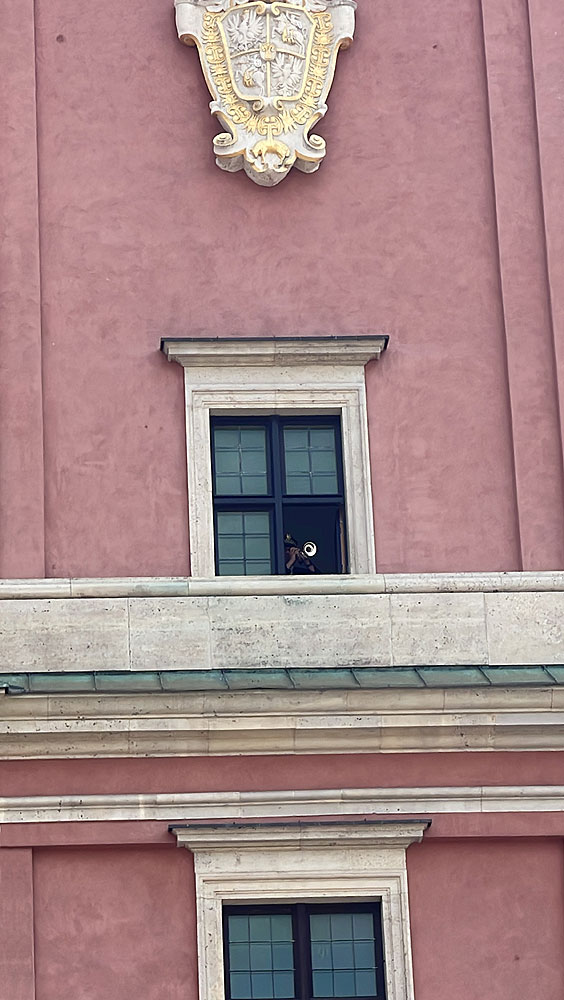
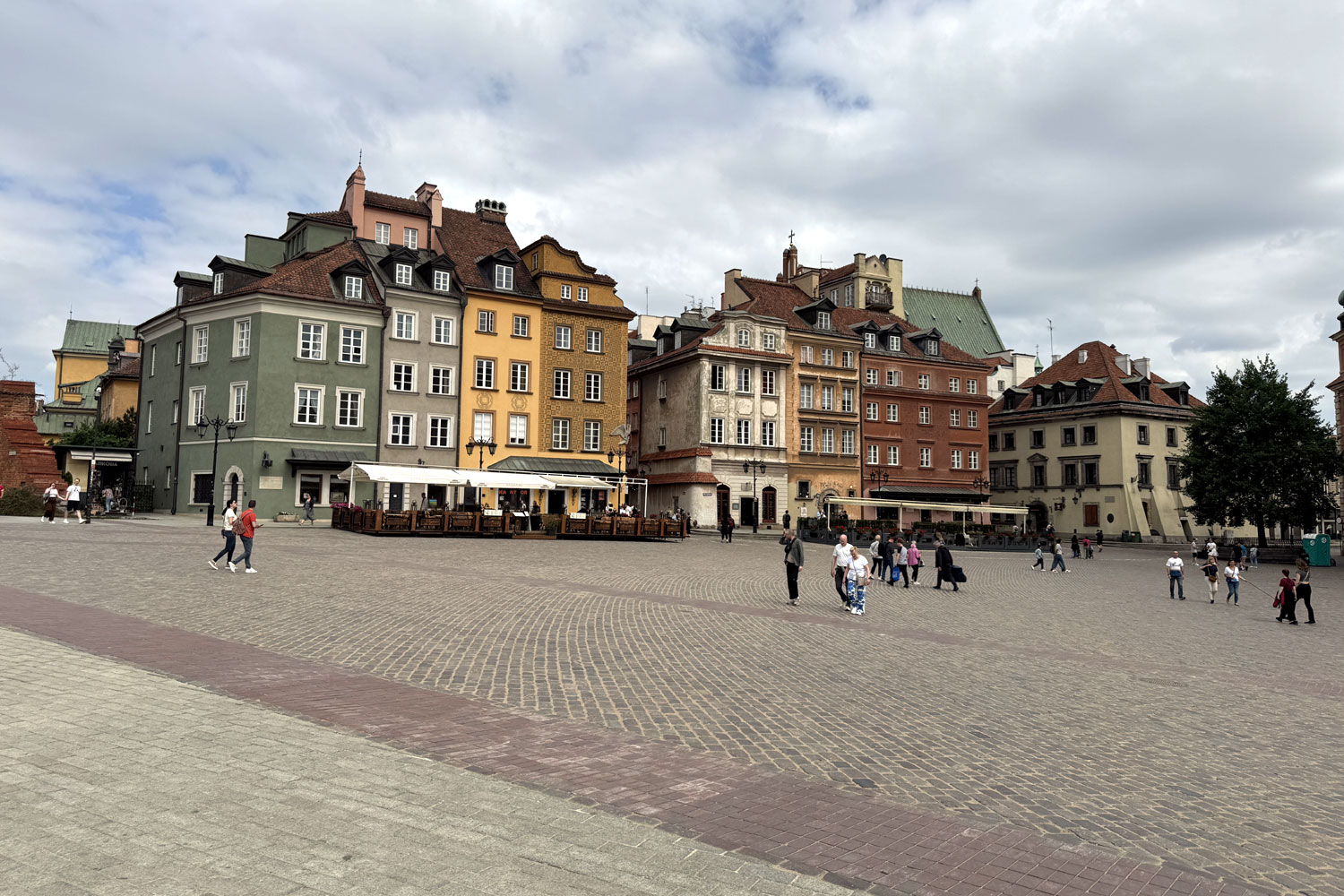
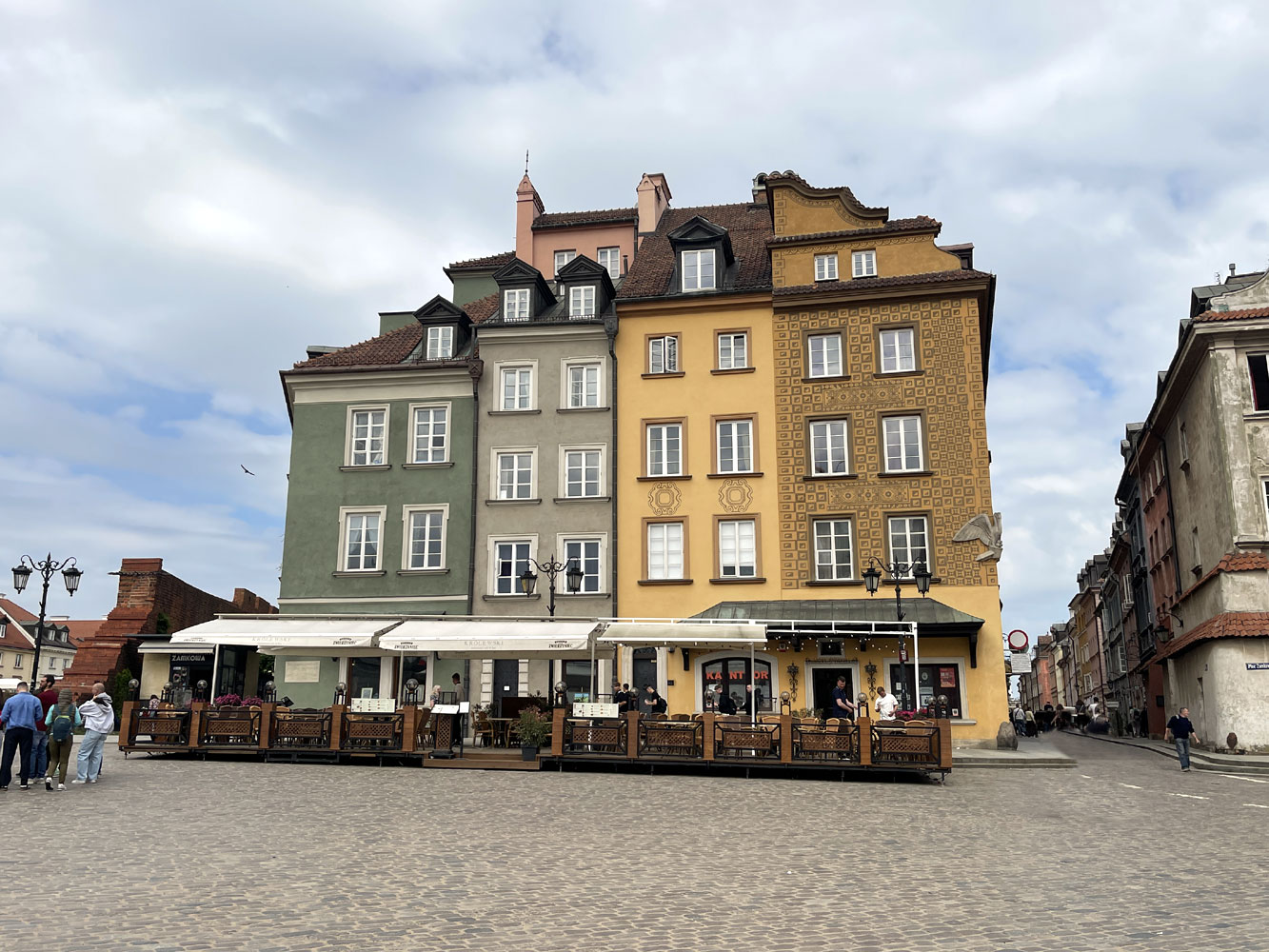
Back in Castle Square,
it was almost 11:15 a.m. and therefore time for a trumpeter
to play the Warsaw bugle call from the Clock Tower of the
Royal Castle. The time is significant; the castle clock
stopped at 11:15 during the bombing of Warsaw on 17th September
1939. Today, this short melody is played three times, symbolising
God, honour and homeland. |
|
|
|
| |
|
| |
|
| |
|
| |
|
| |
|
| |
|
| |
|
|
| |
|
| |
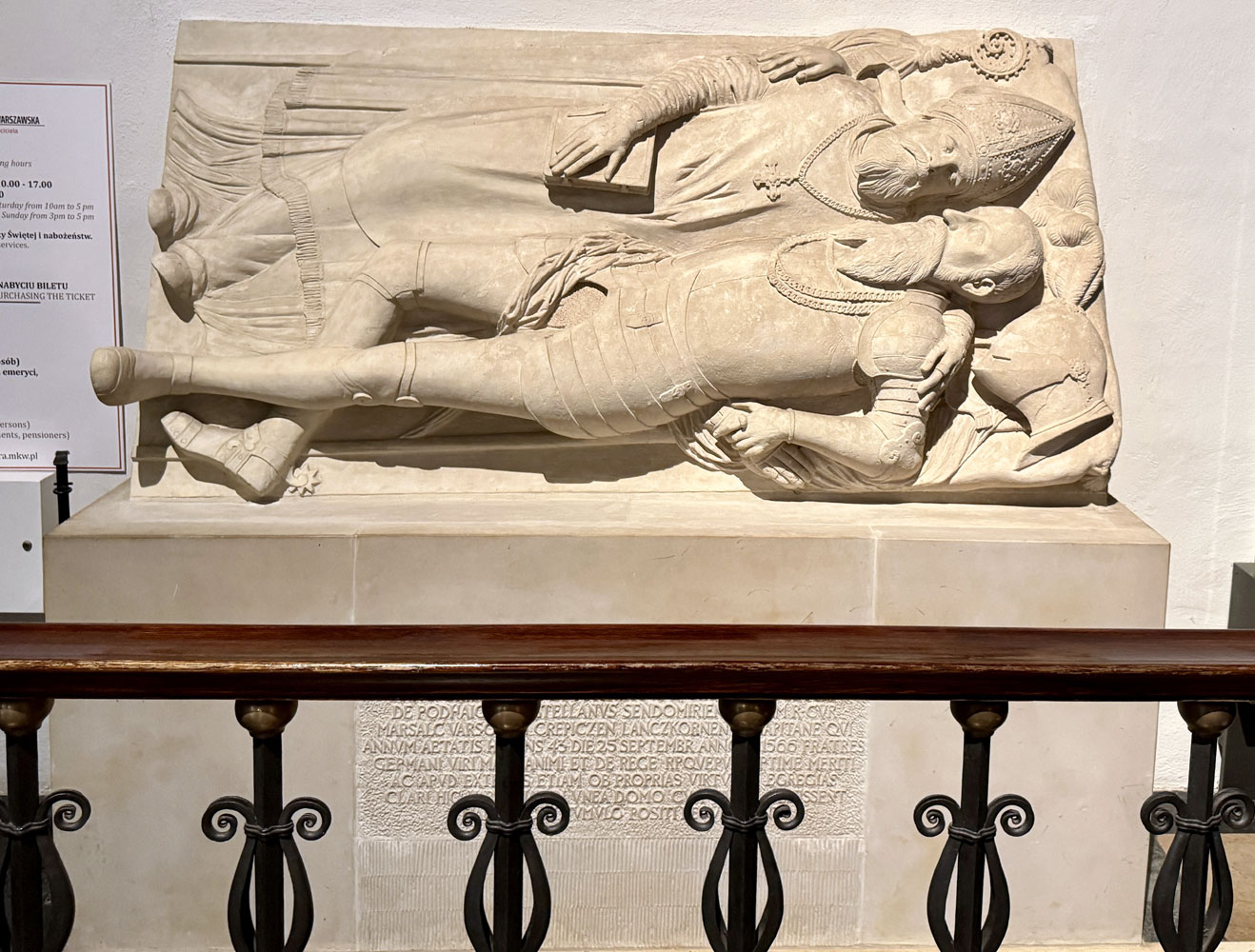
Polish architect and
sculptor Jan Michalowicz created this monument to Mikolaj
Wolski, Bishop of Kuyavia (d. 1550) and his brother Stanislaw
Wolski, Castellan of Sandomierz (d. 1566). |
|
|
| |
|
| |
|
|
| |
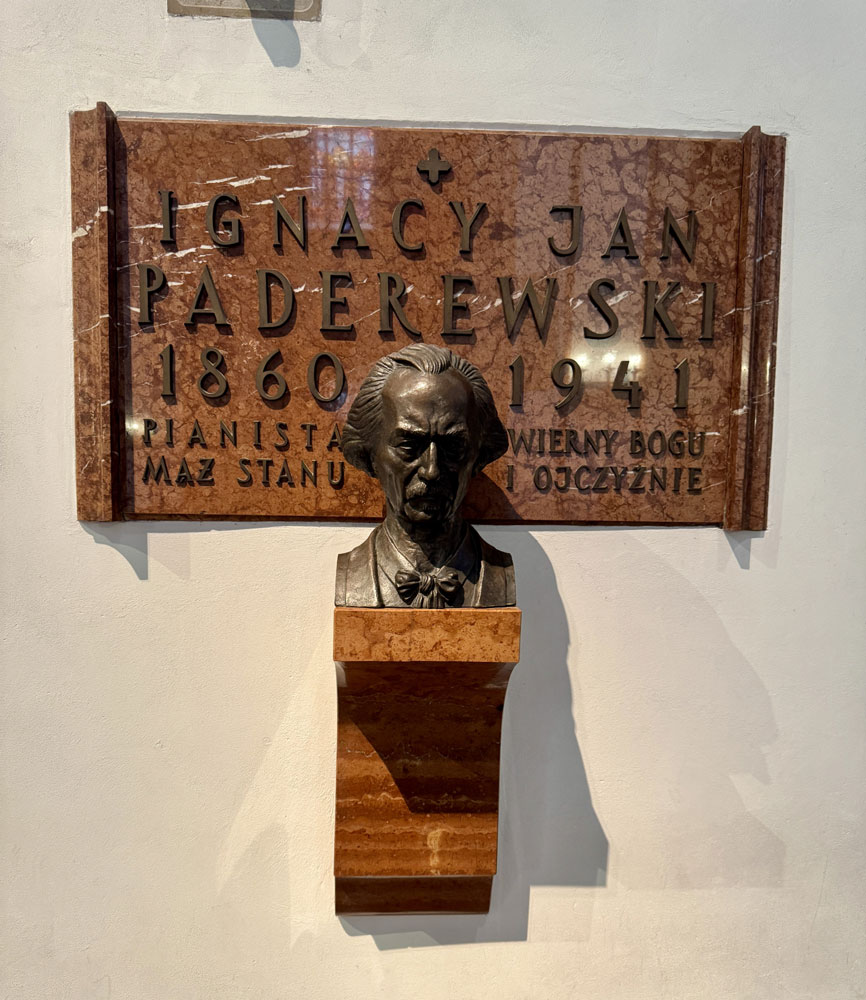
The memorial plaque
and bronze bust are dedicated to Ignacy
Jan Paderewski (1860–1941), who was a Polish pianist,
composer, philanthropist and statesman. His ashes are in
the crypt of the church. |
|
|
| |
|
| |
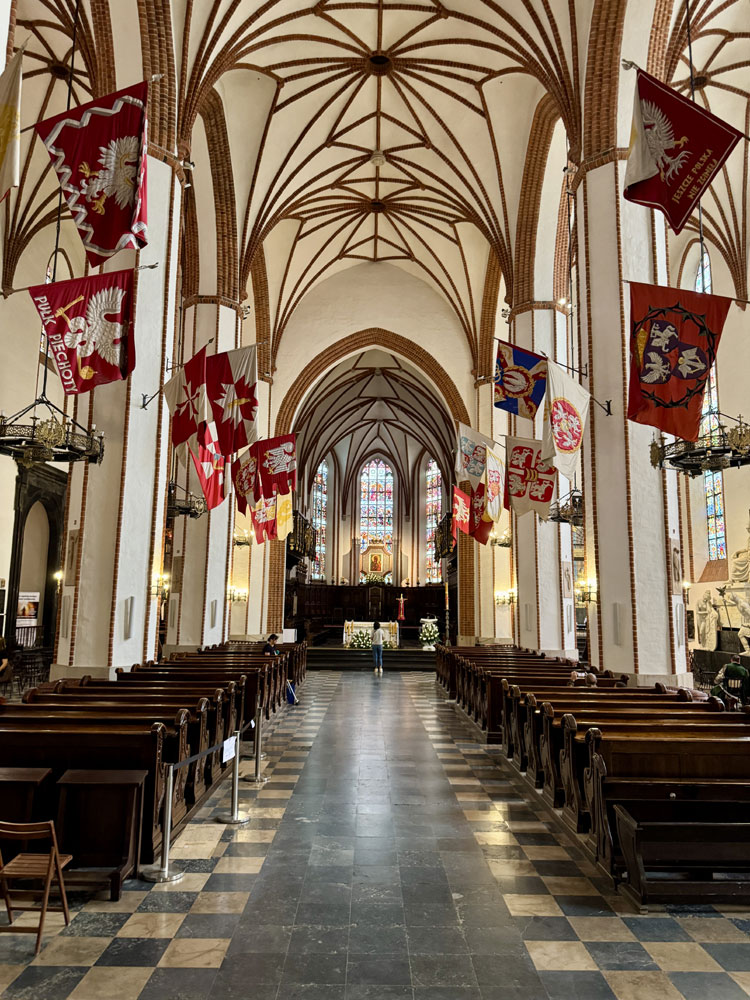
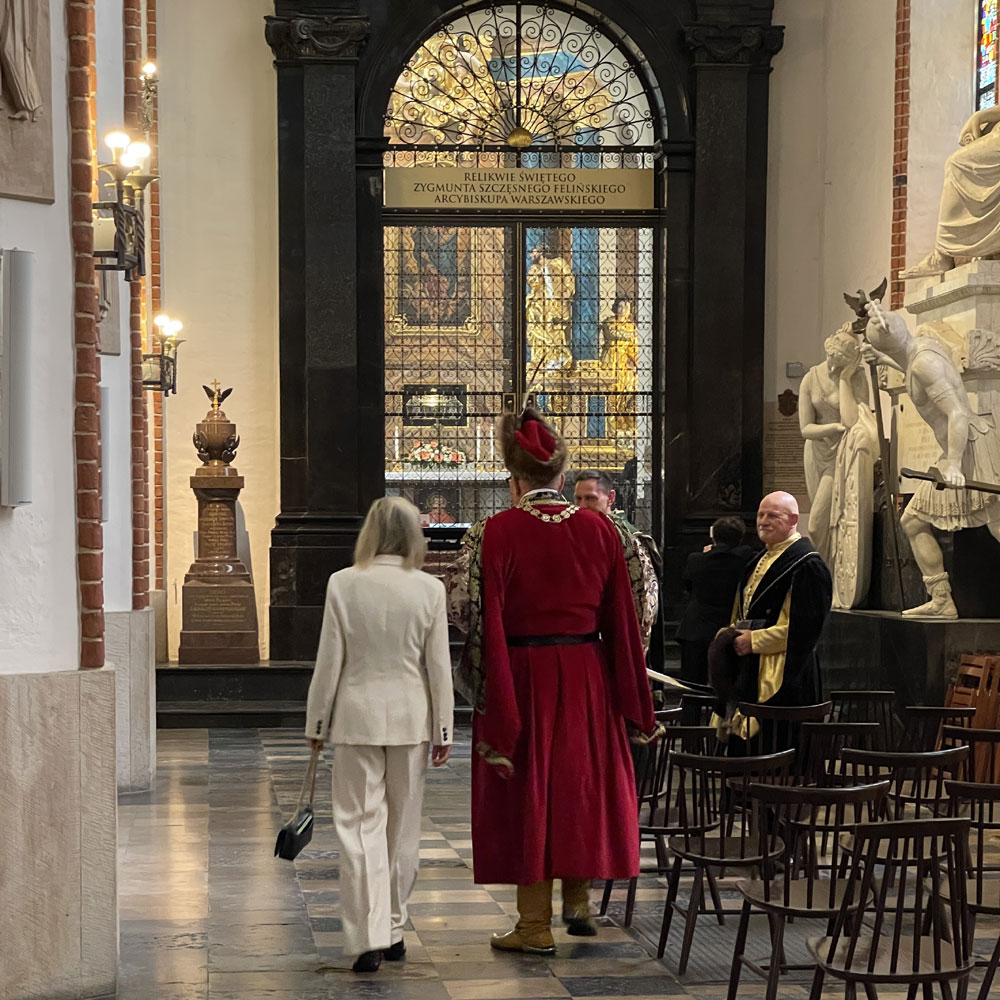
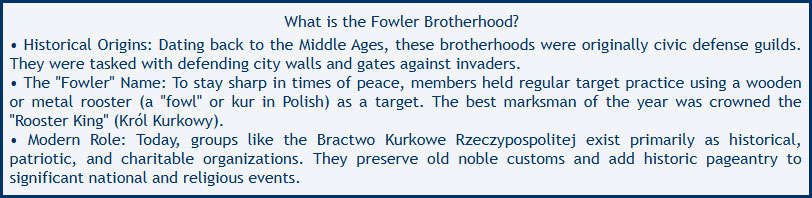
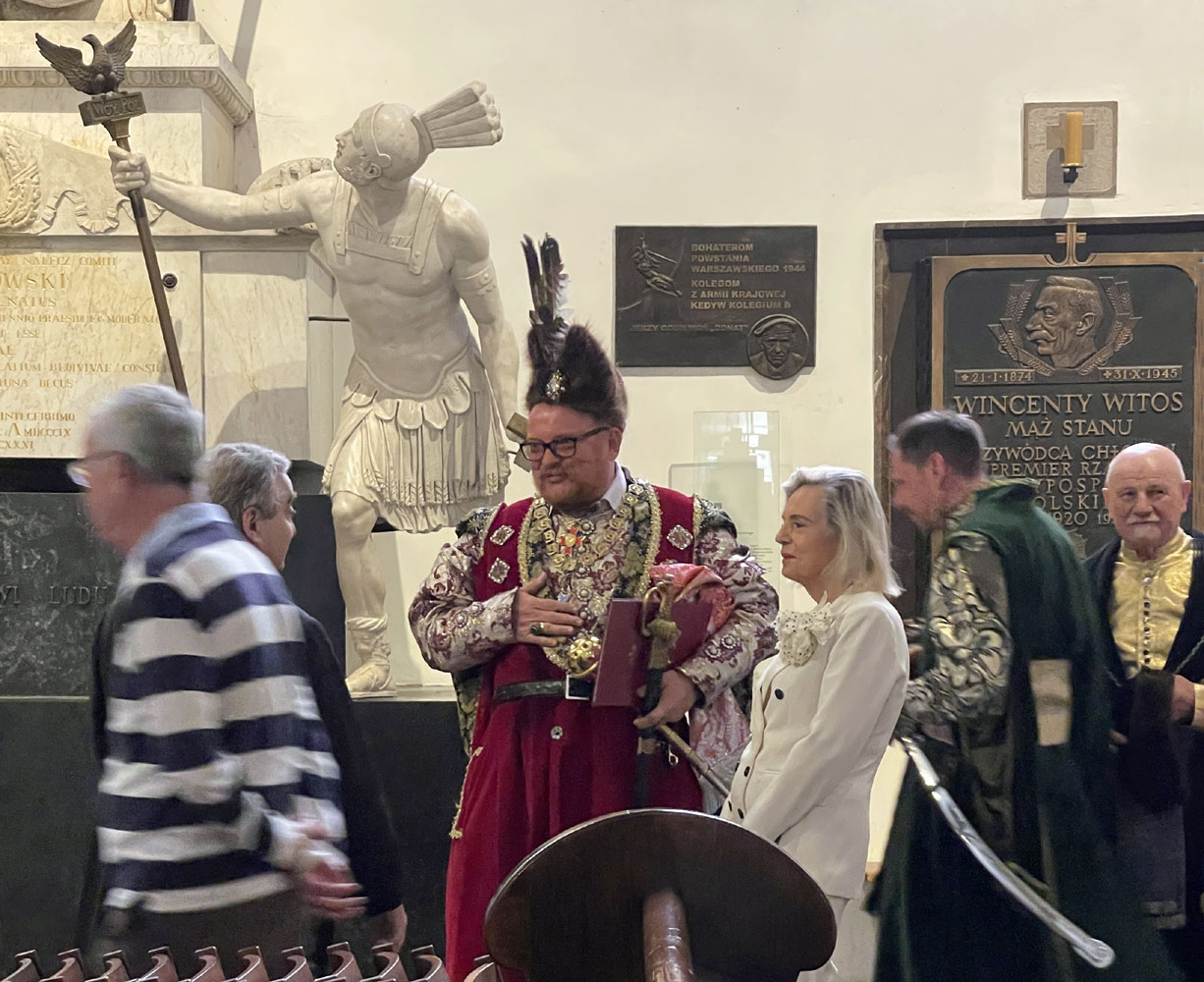
While we were visiting,
people in formal costumes began to appear. We thought it
may be a wedding party, but subsequent online research suggested
that it was probably a formal investiture ceremony or awards
presentation for the Fowler Brotherhood. |
|
|
| |
|
| |
The gentleman in the
center is wearing a kontusz, a traditional noble garment
from the Polish-Lithuanian Commonwealth era, complete with
a decorative sash (pas kontuszowy) and a feathered hat (czapka
kontuszowa). |
|
|
| |
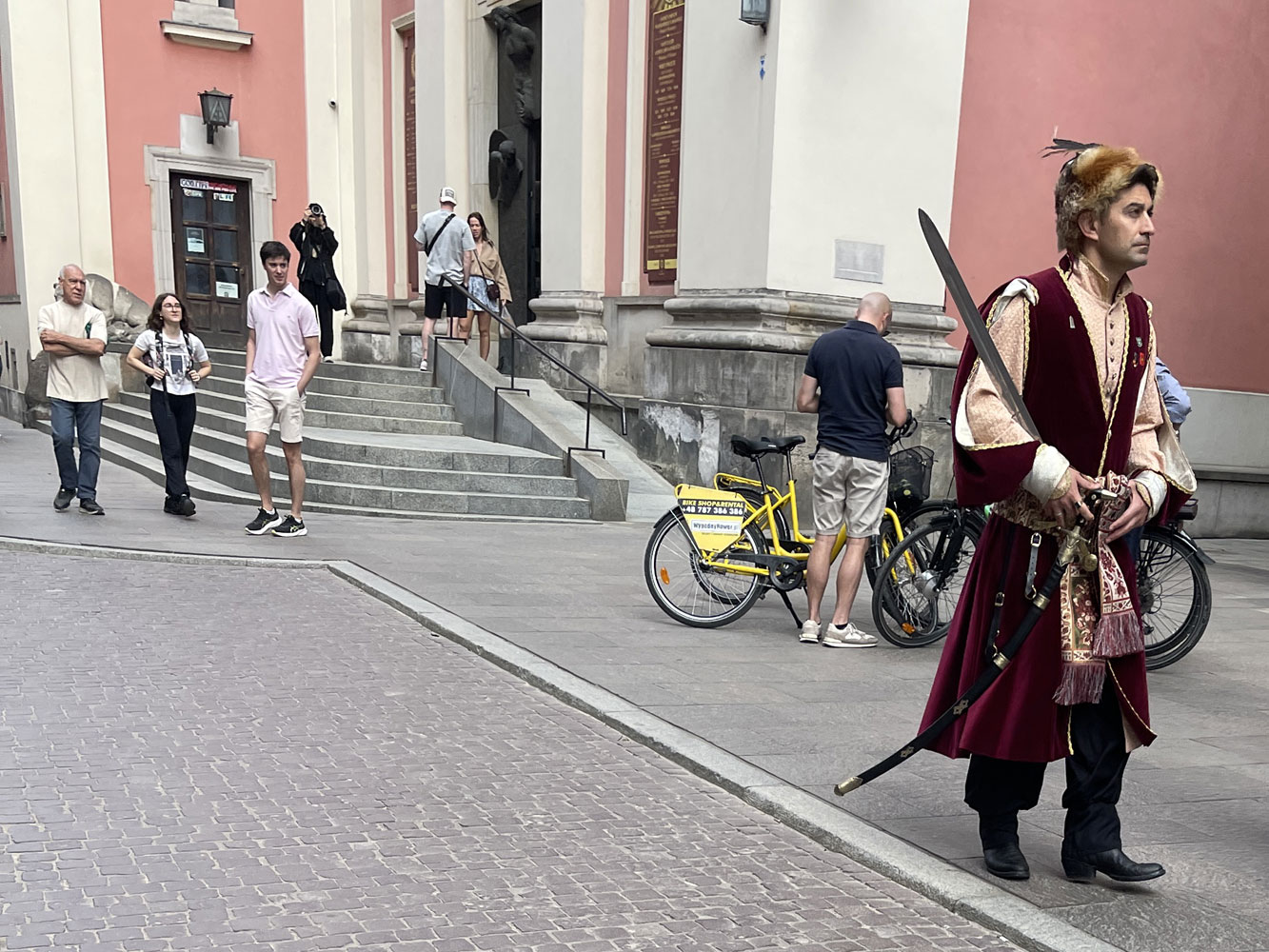
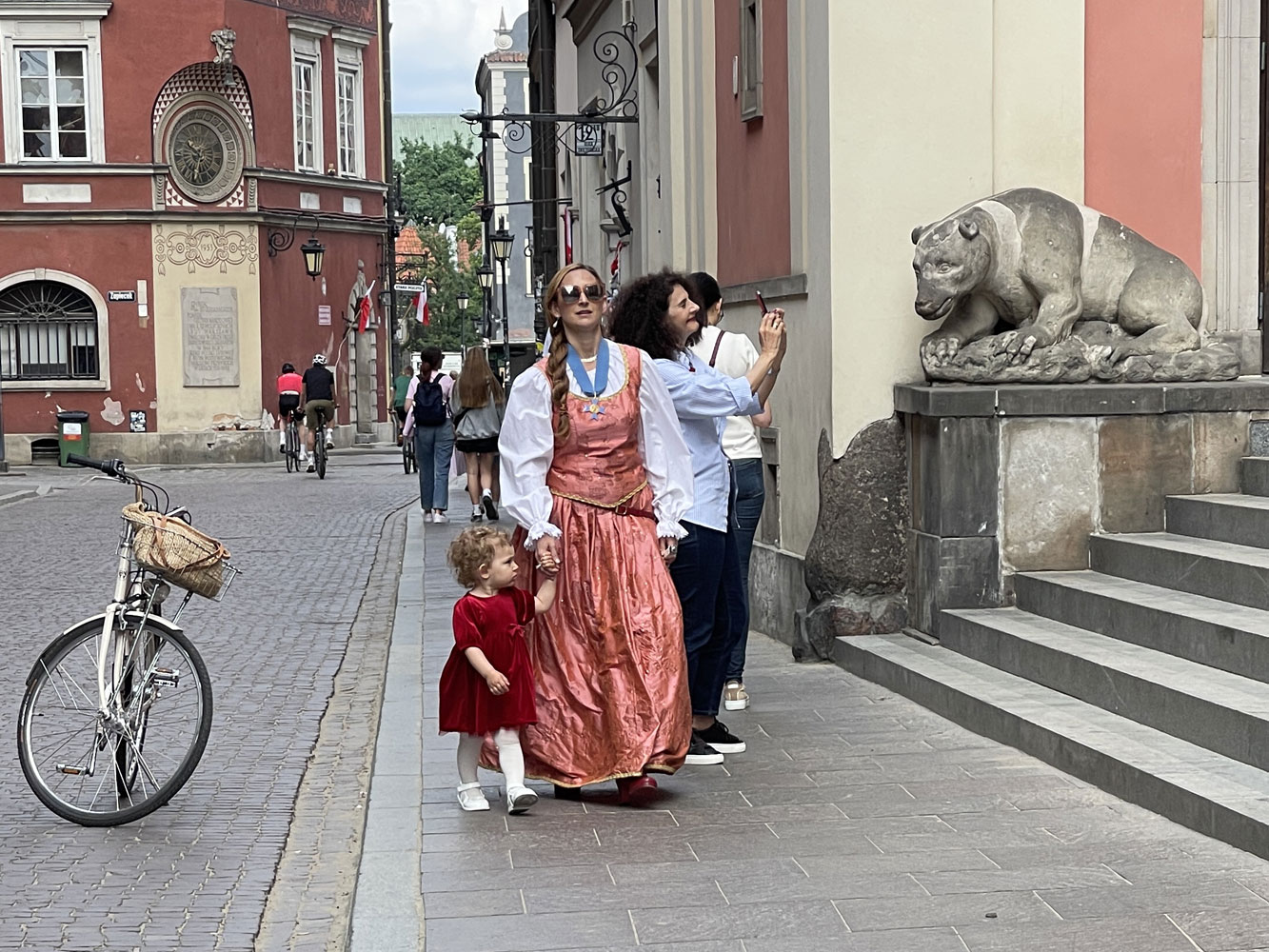
Outside, more people
in ceremonial costumes were arriving. |
|
|
| |
|
| |
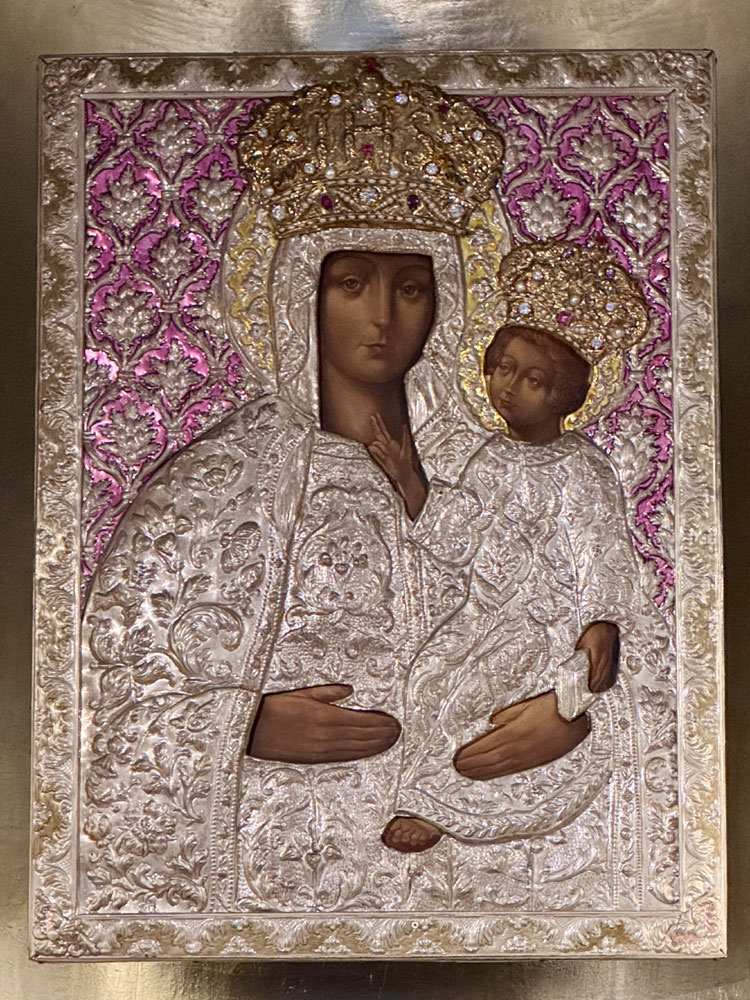
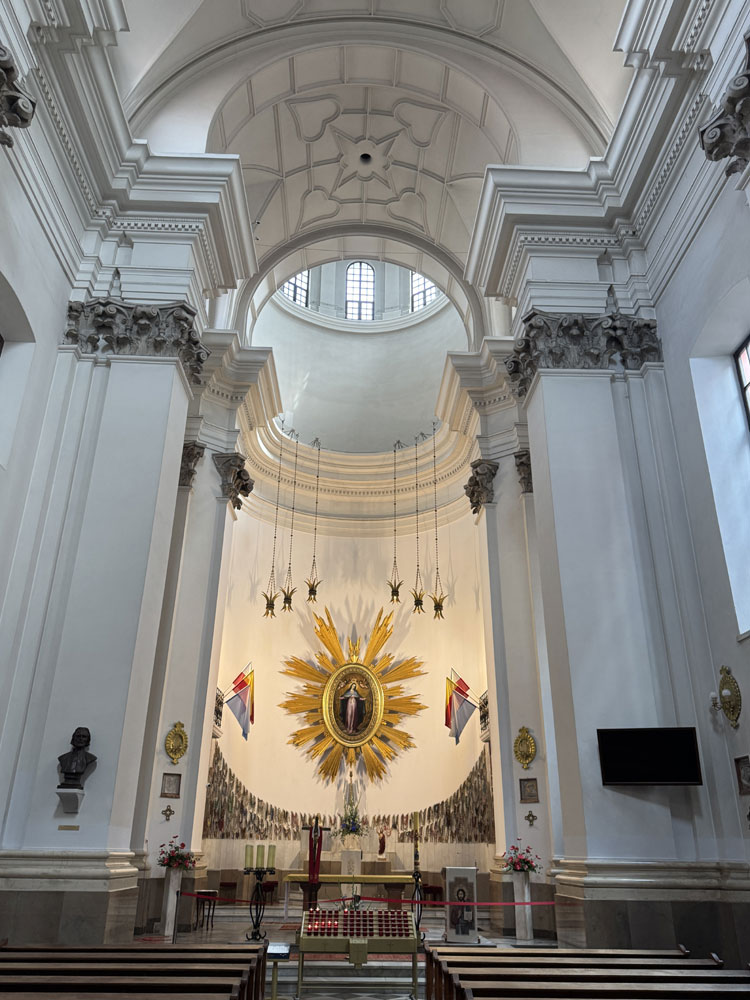
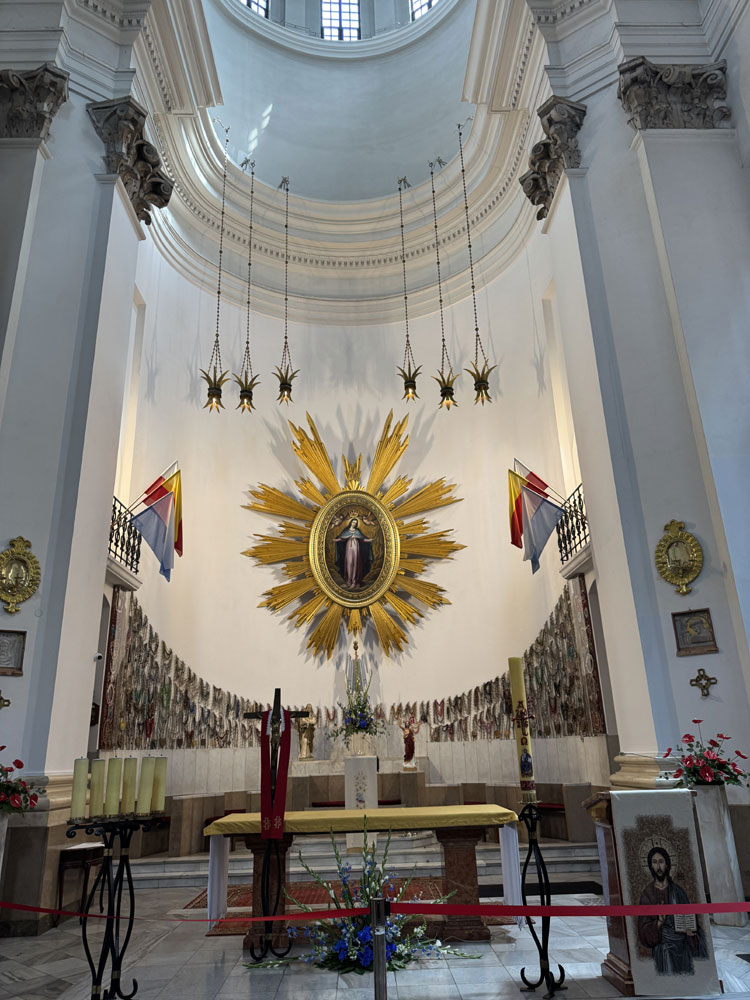
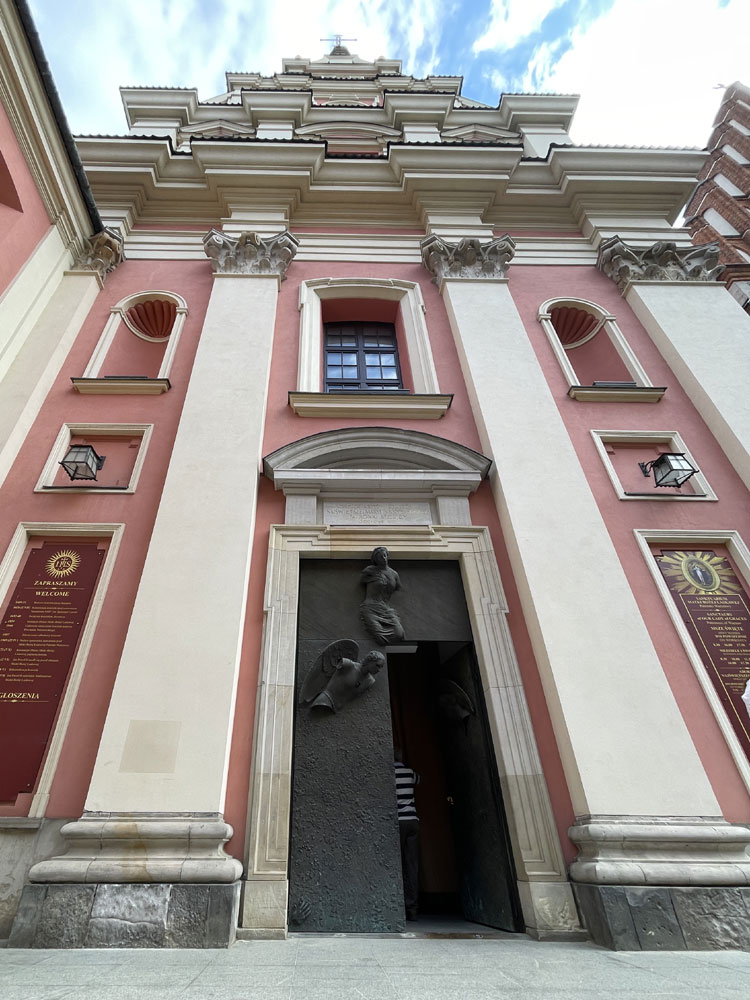
To the left of St. John's
Archcathedral is the Jesuit
Church, also known as the Church of the Gracious Mother
of God (Kosciól Matki Bozej Laskawej). |
|
|
| |
|
|
| |
|
| |
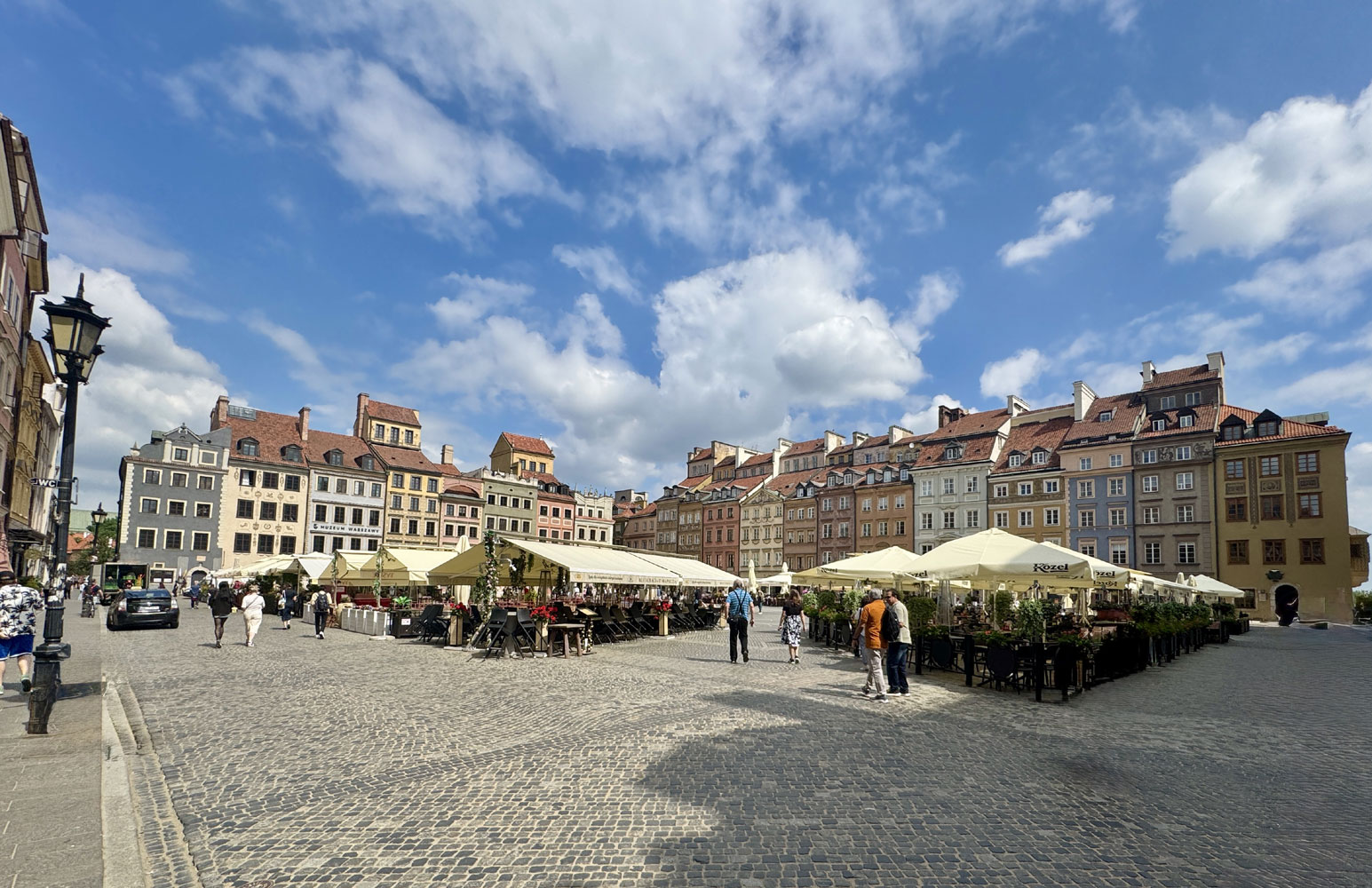
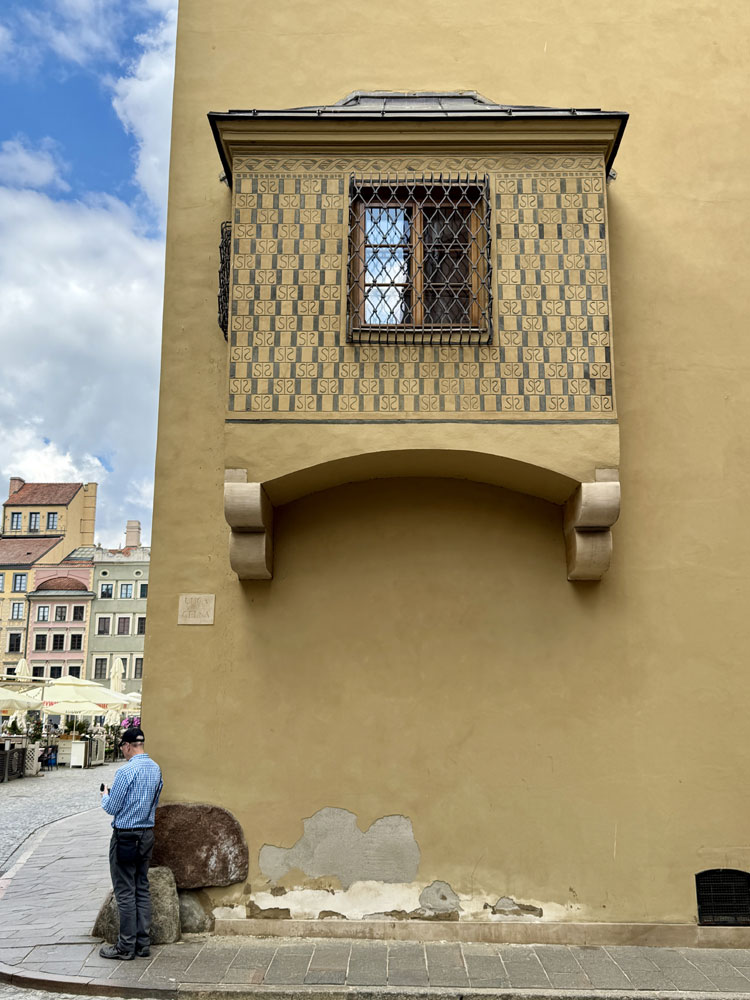
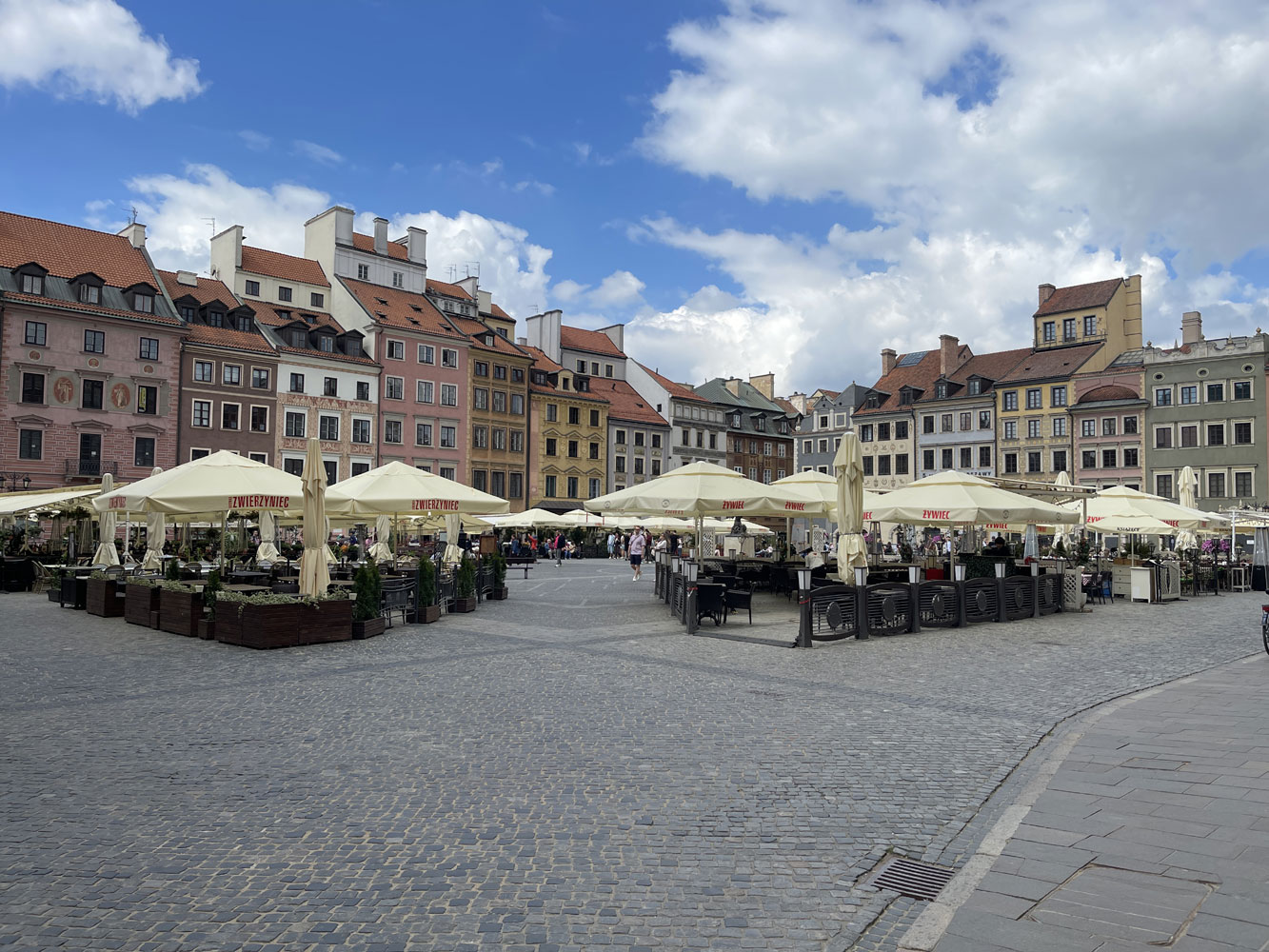
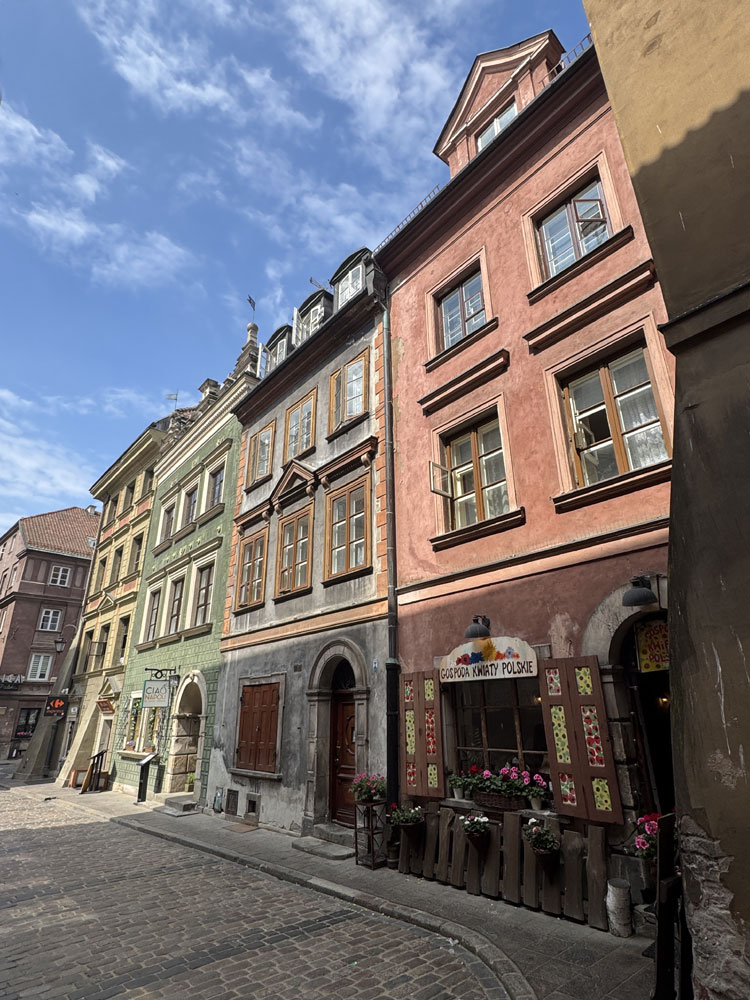
A few steps further on
and we arrived at the Market
Square which we were so impressed with yesterday. |
|
|
| |
|
| |
|
| |
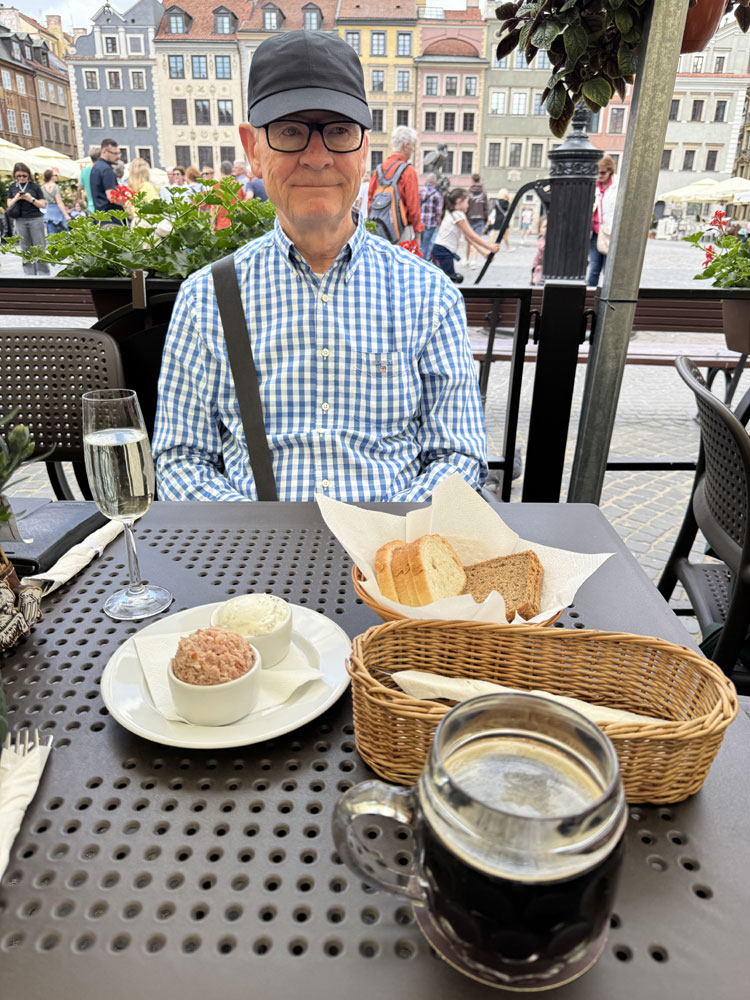
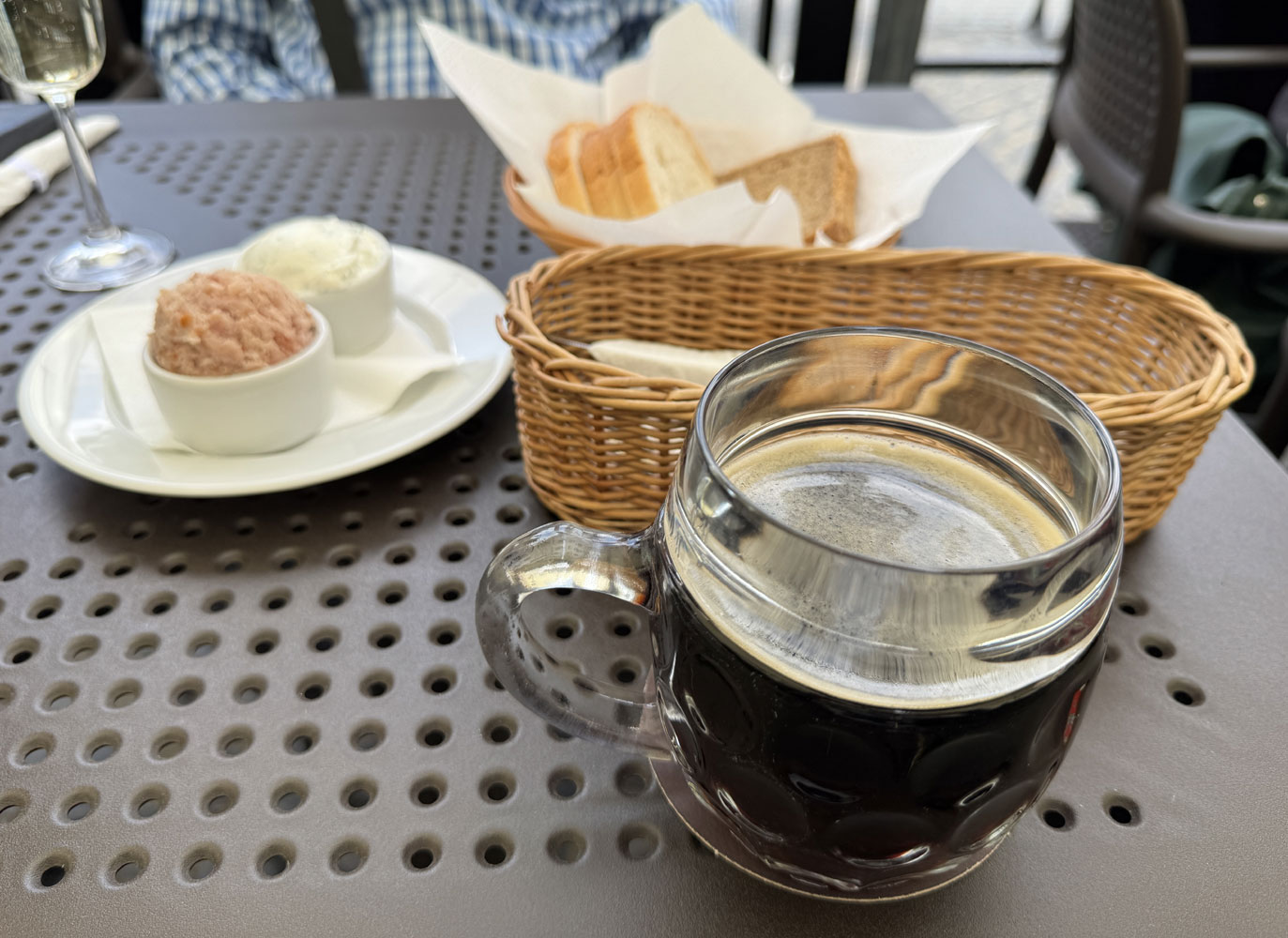
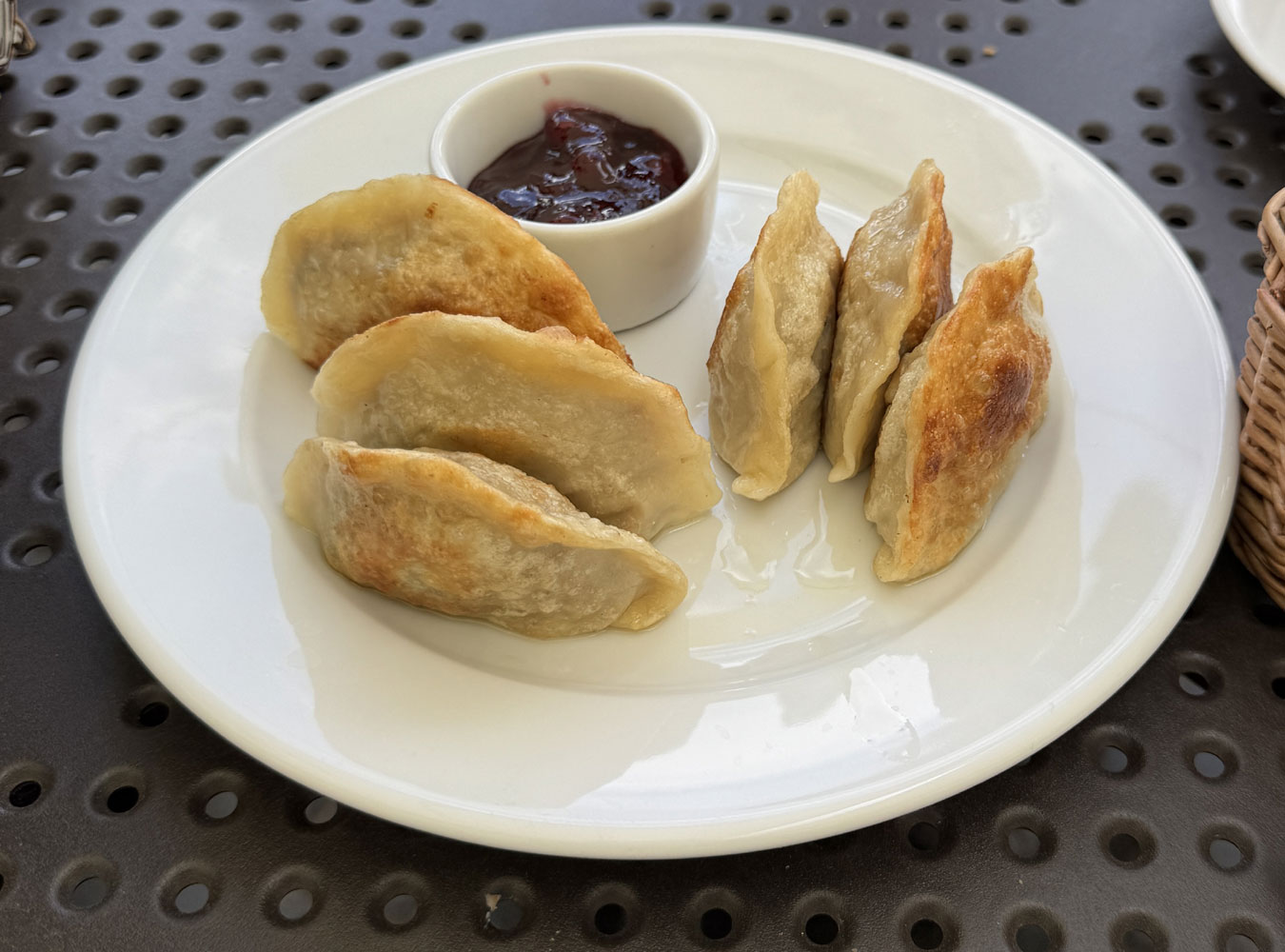
It was lunchtime, so
we decided to go to one of the restaurants in the square
for light snack. |
|
|
|
| |
|
| |
|
| |
Afterwards, we investigated
the areas leading off the square. |
|
|
| |
|
| |
|
| |
|
| |
|
| |
|
| |
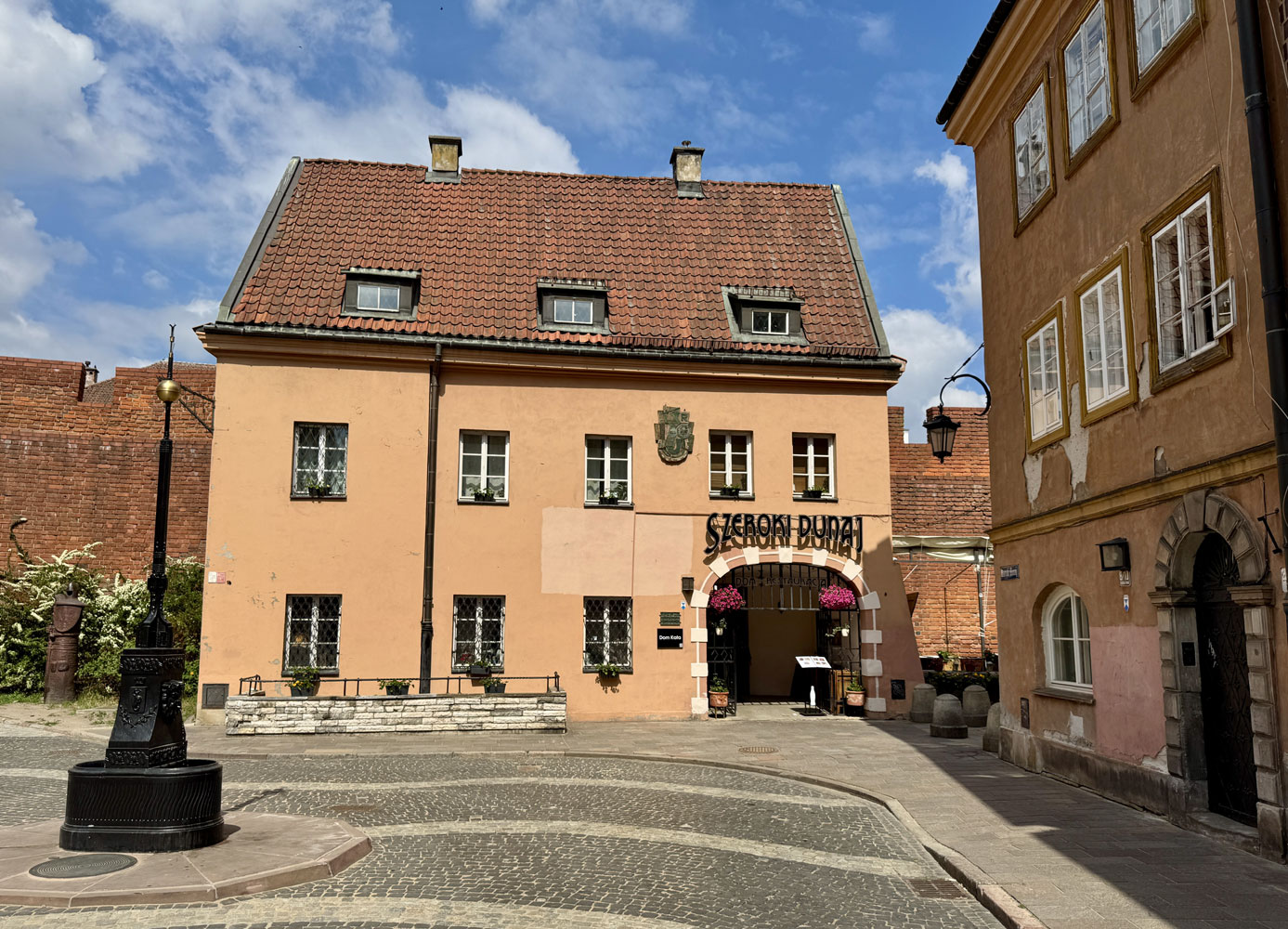
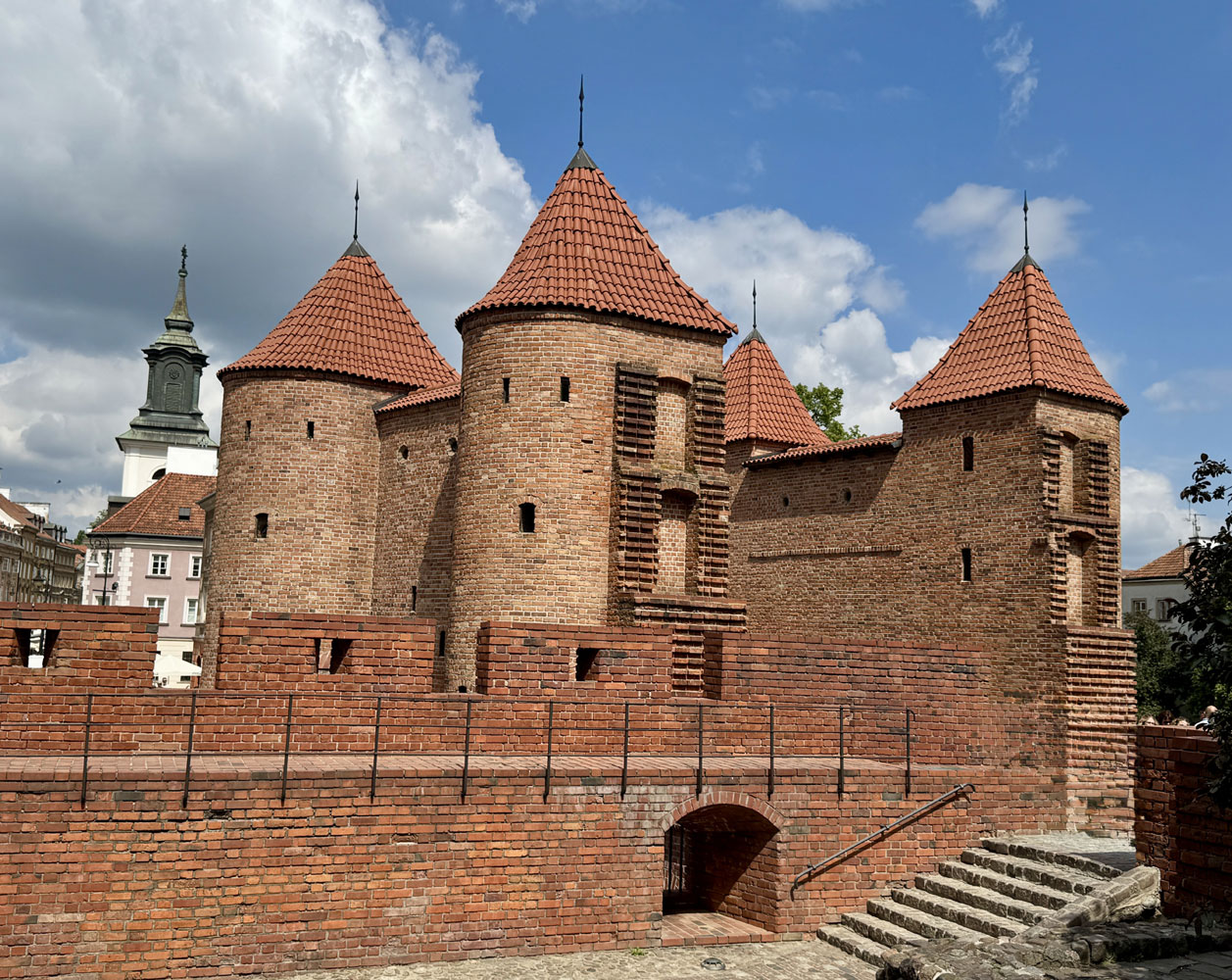
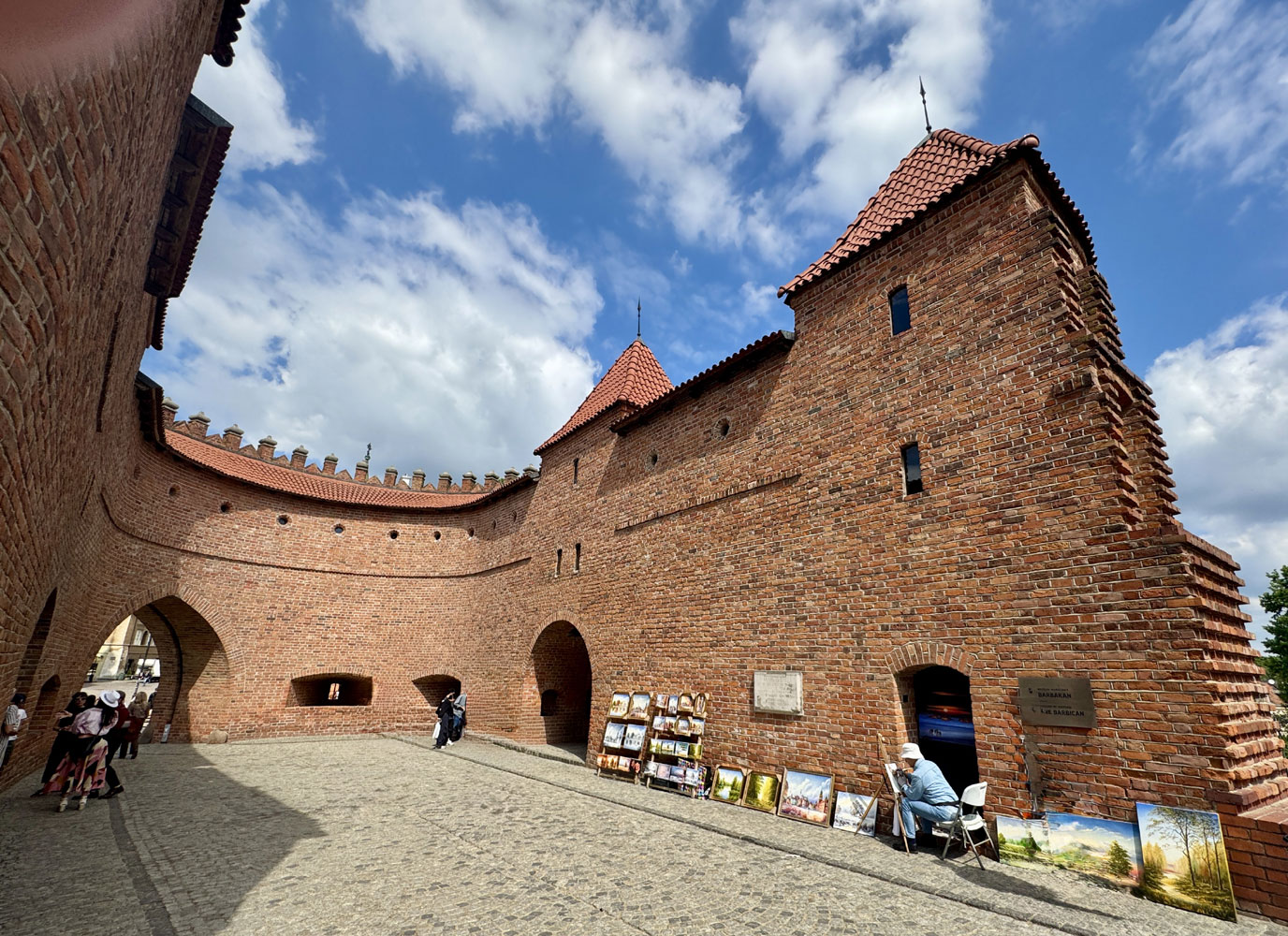
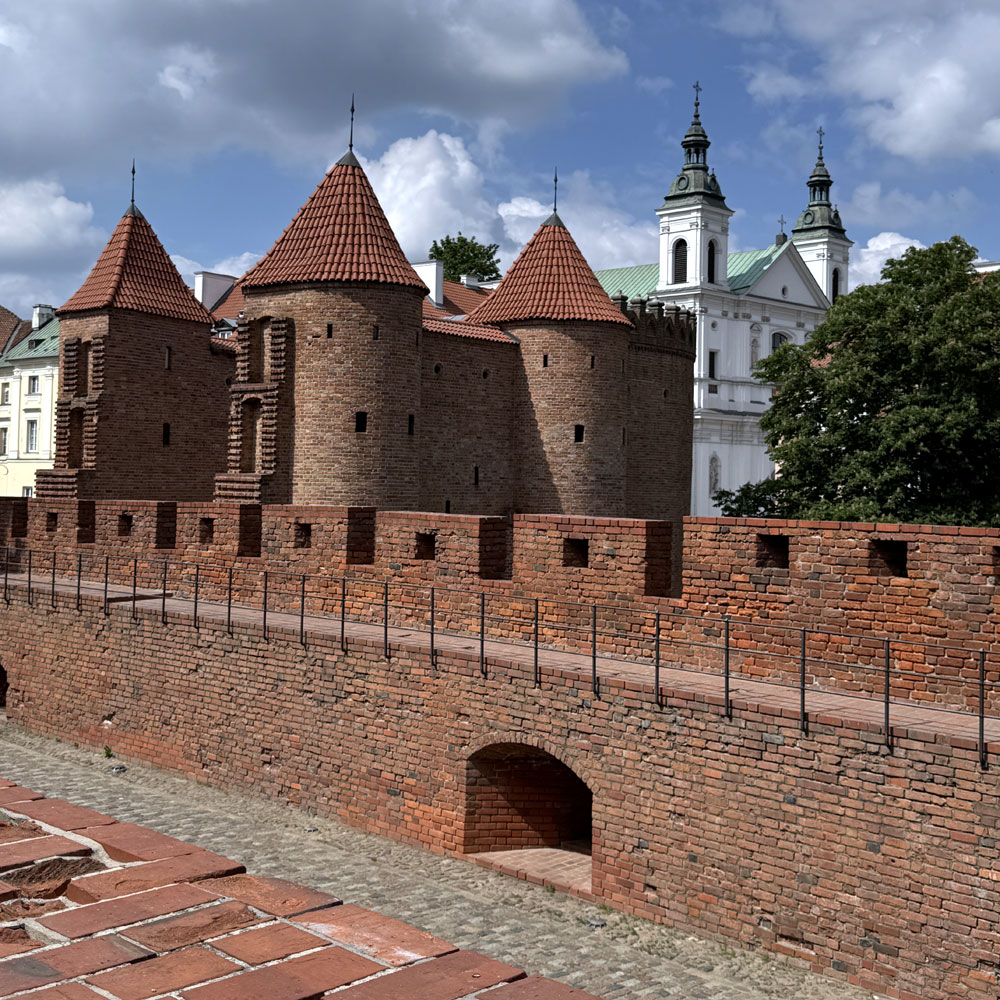
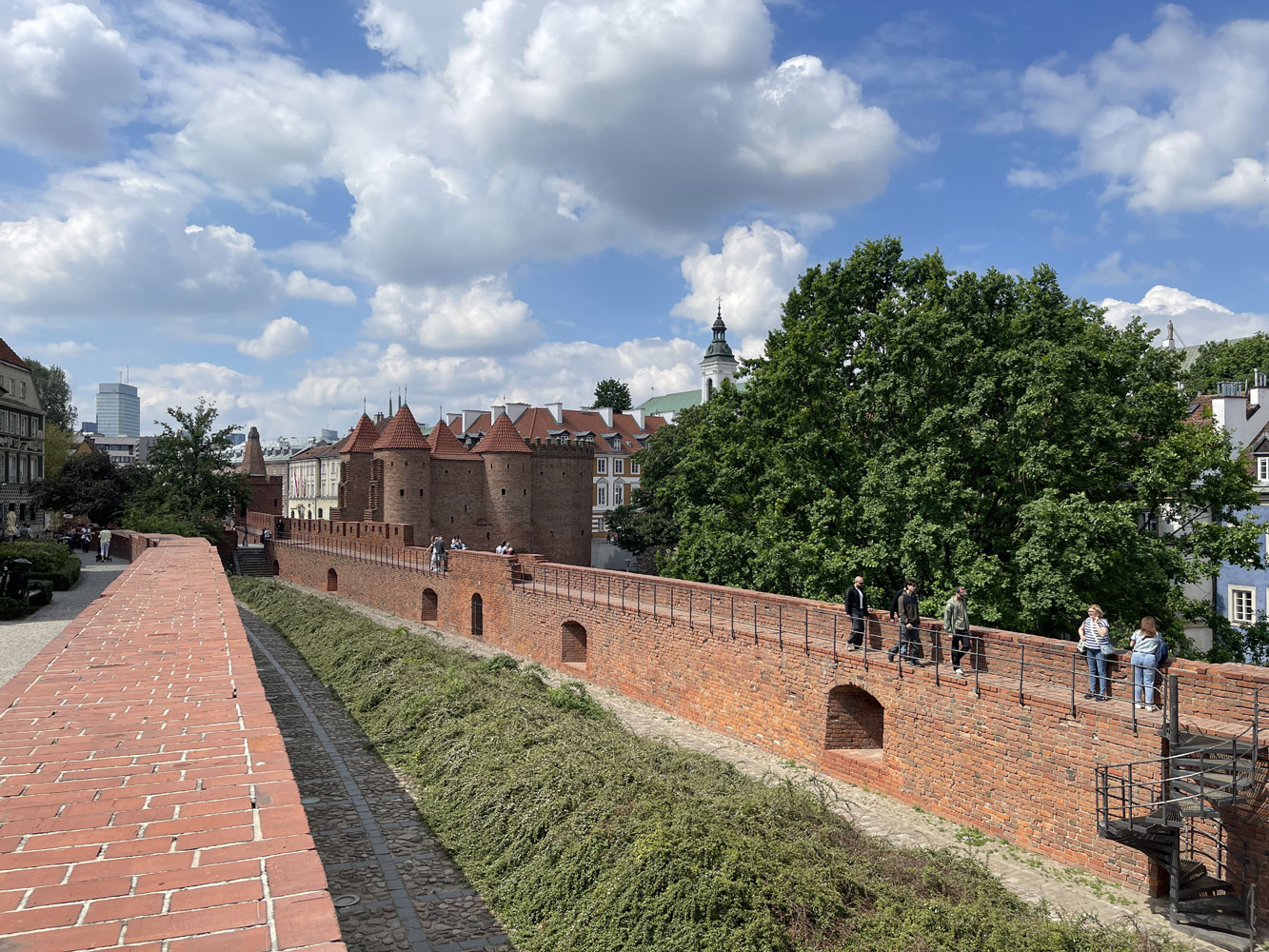
The Warsaw
Barbican is a barbican (semi-circular fortified outpost)
and one of few remaining relics of the complex network of
historic fortifications that once encircled the city. |
|
|
| |
|
| |
|
| |
|
| |
|
|
| |
|
|
| |
|
| |
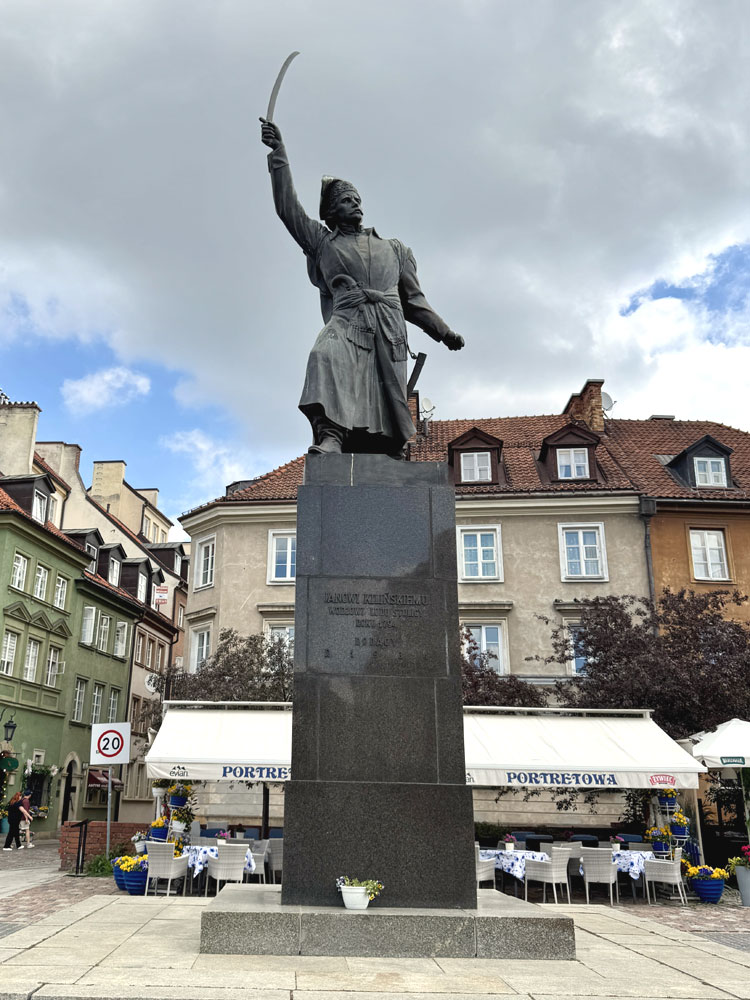
A statue dedicated to
Jan
Kilinski, a 19th-century artisan, politician, and rebel,
who was a colonel in the insurgents forces during the Kosciuszko
Uprising in 1794. |
|
|
| |
After all the excitement
of the morning, we took the tram back to our hotel for a
rest. |
|
|
| |
An hour later we felt
revived enough to go exploring again. This time we thought
we would try to find the location of the restaurant which
Geoff had booked for this evening. |
|
|
| |
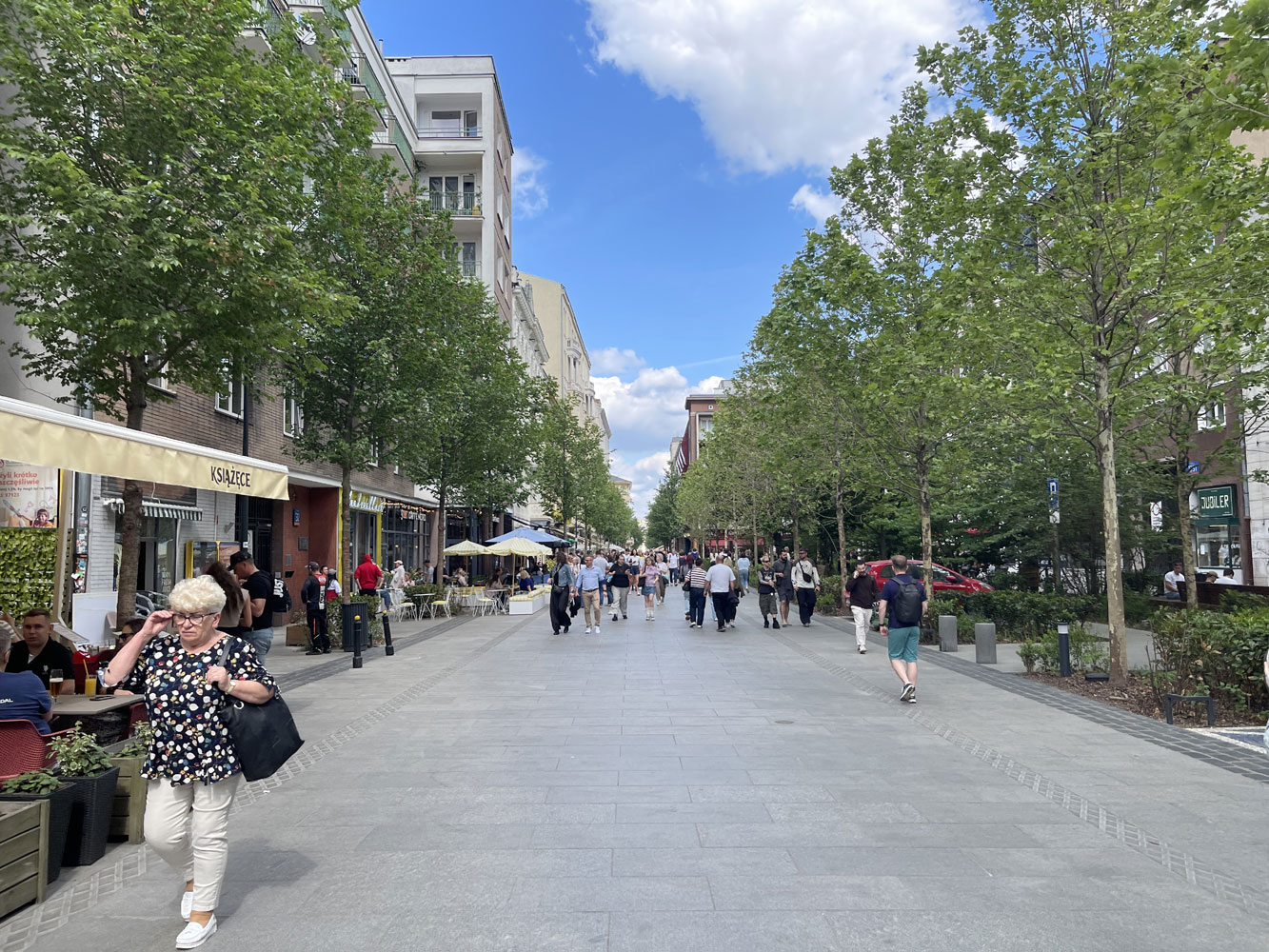
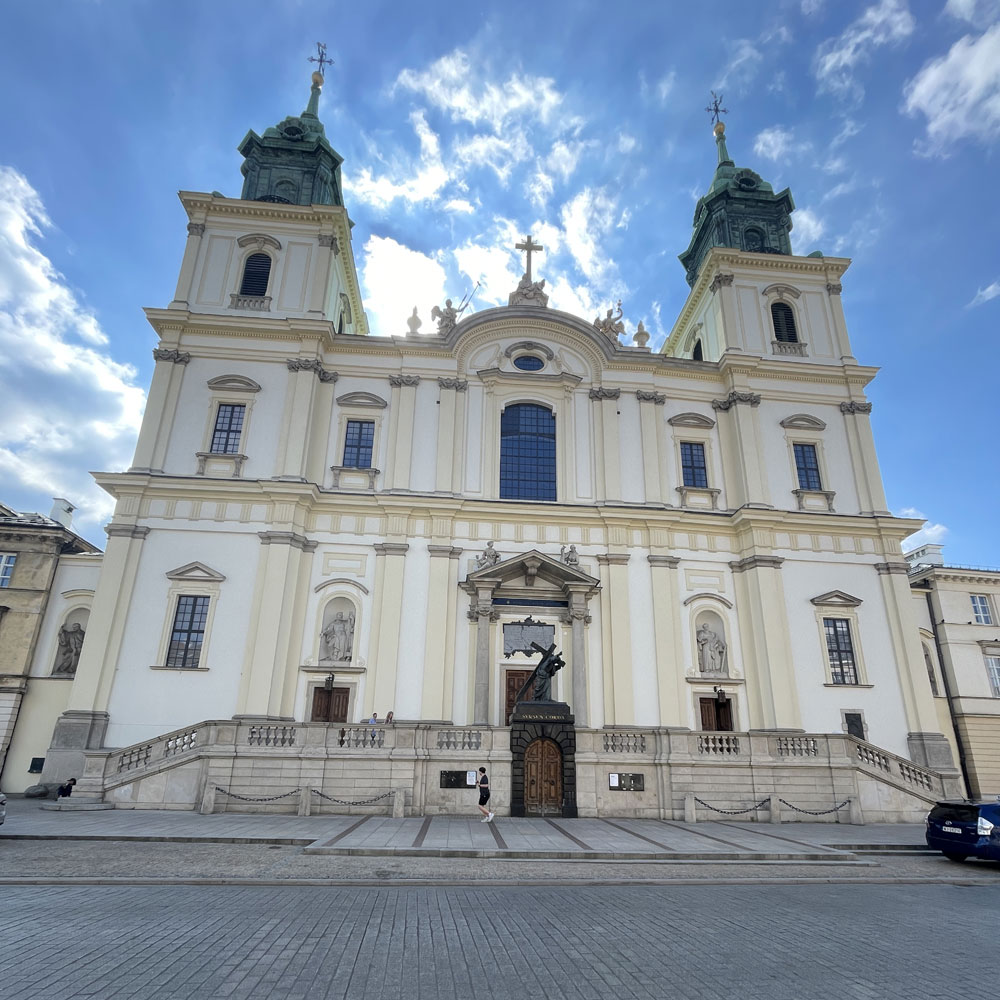
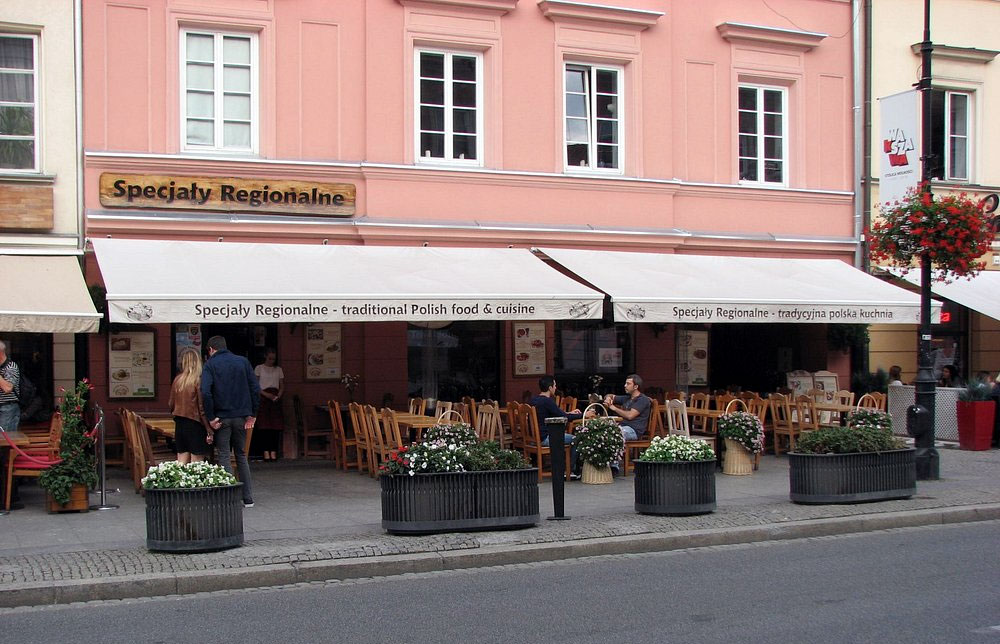
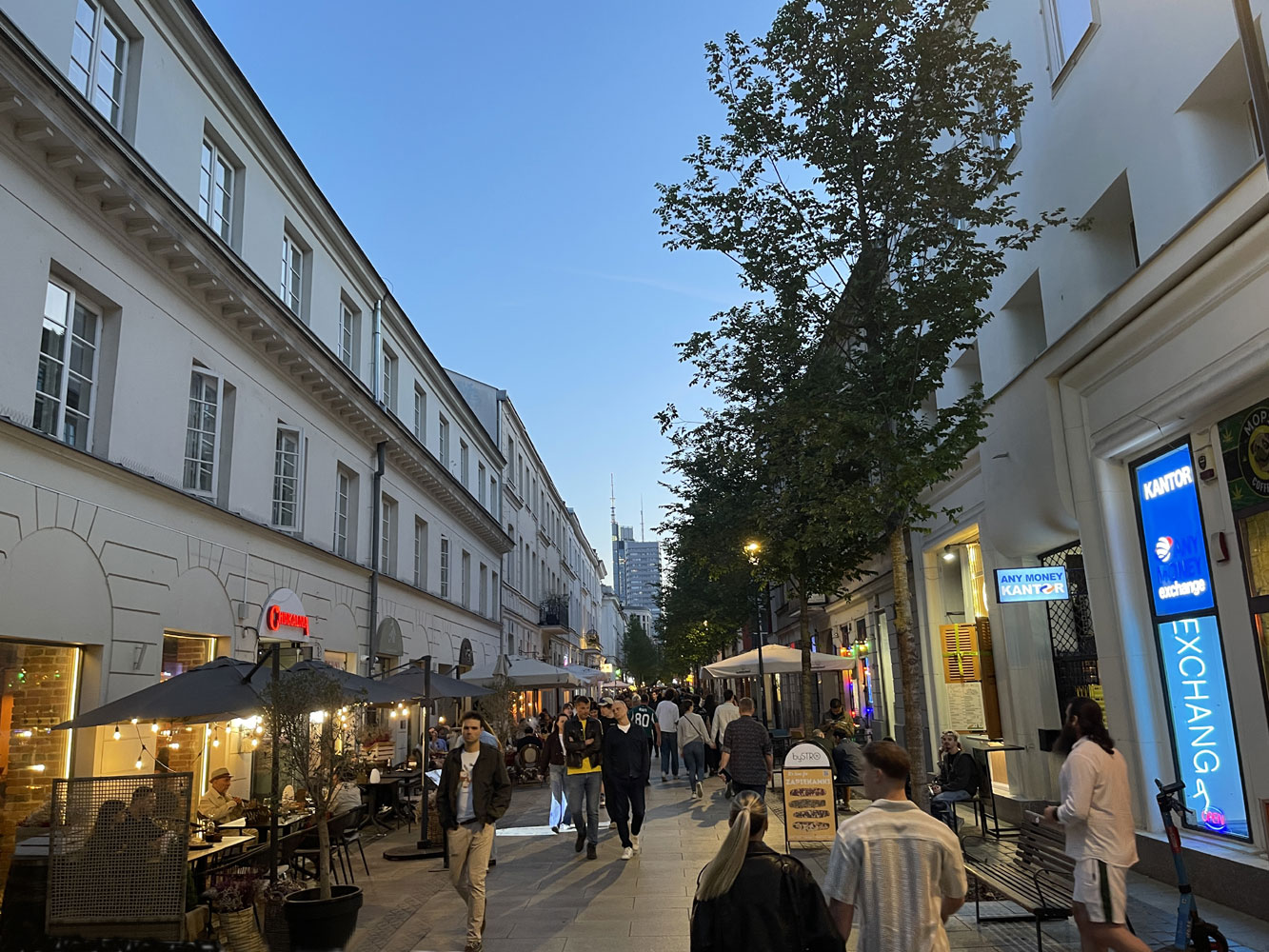
We knew more or less
where we were going. To begin with, we had to walk the full
length of Ulica Nowy Swiat (New World Street), a famous
one-kilometre-long historic thoroughfare now lined with
restaurants. (The street had also been recommended by our
tour manager as a good place to find somewhere to eat). |
|
|
| |
|
|
|
| |
|
|
| |
| |
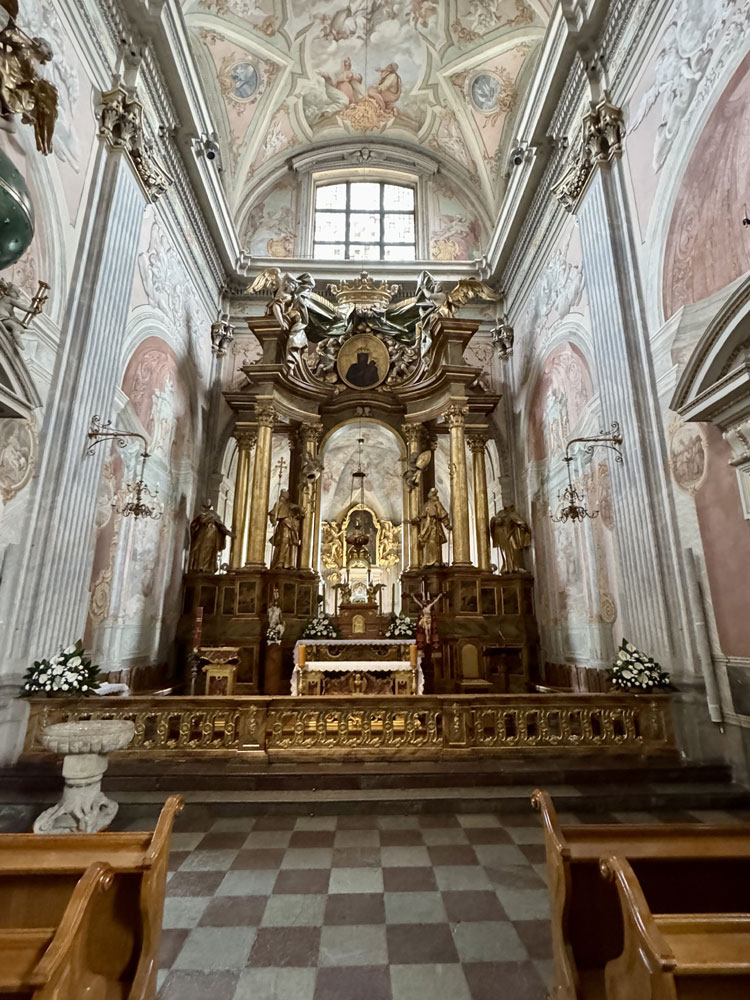
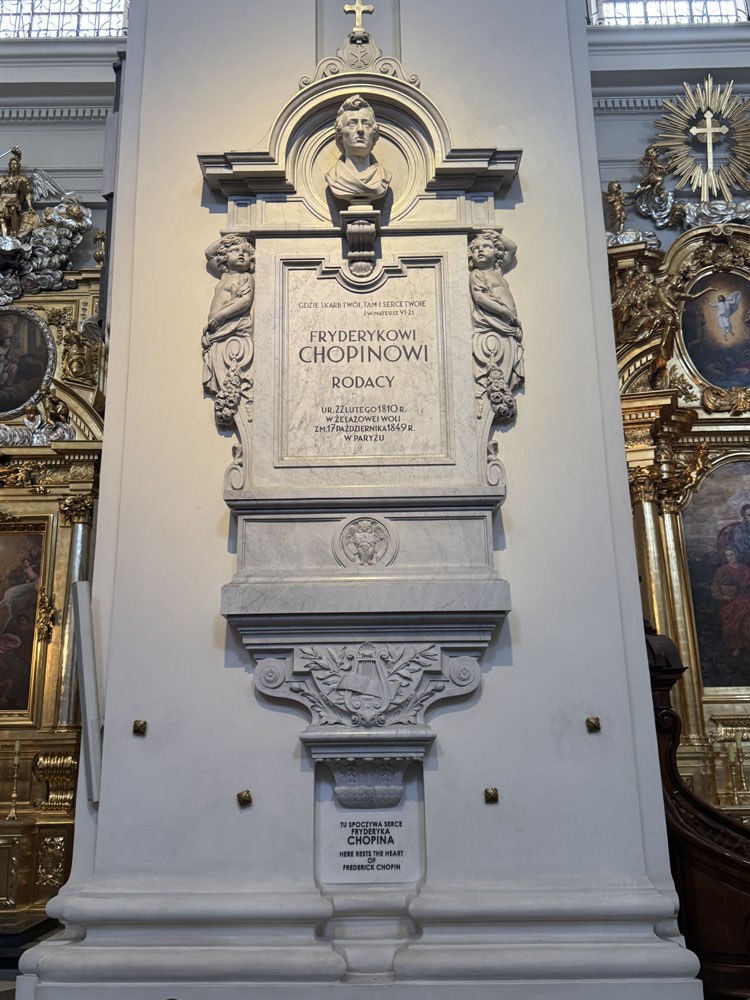
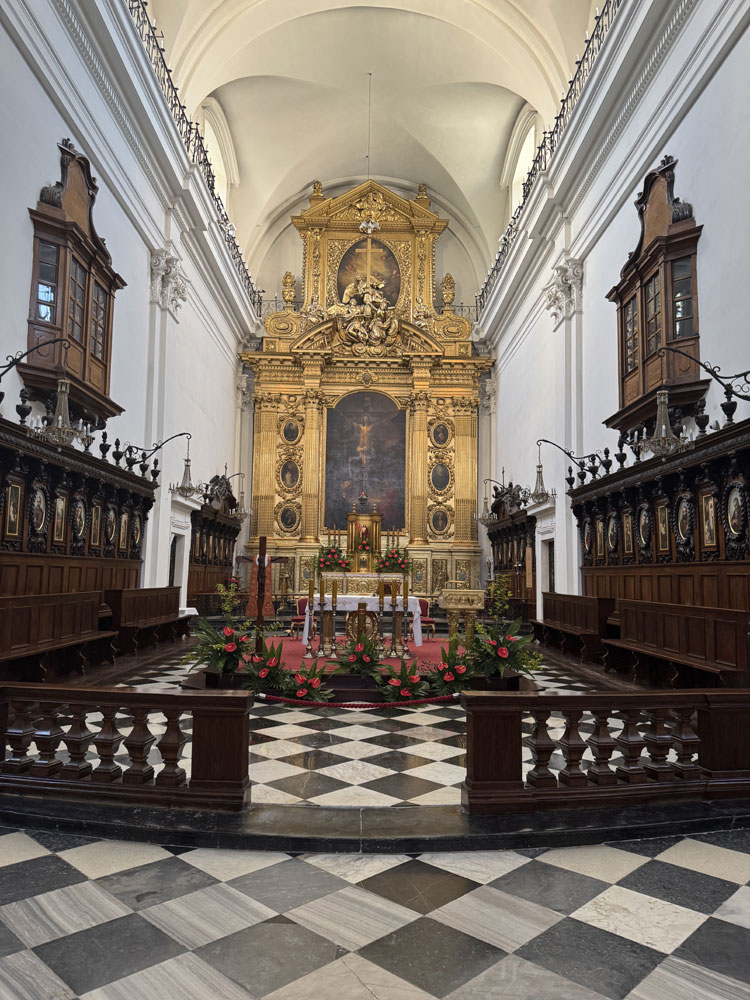
The pillar contains
the embalmed heart of composer Frédéric Chopin.
|
|
|
|
| |
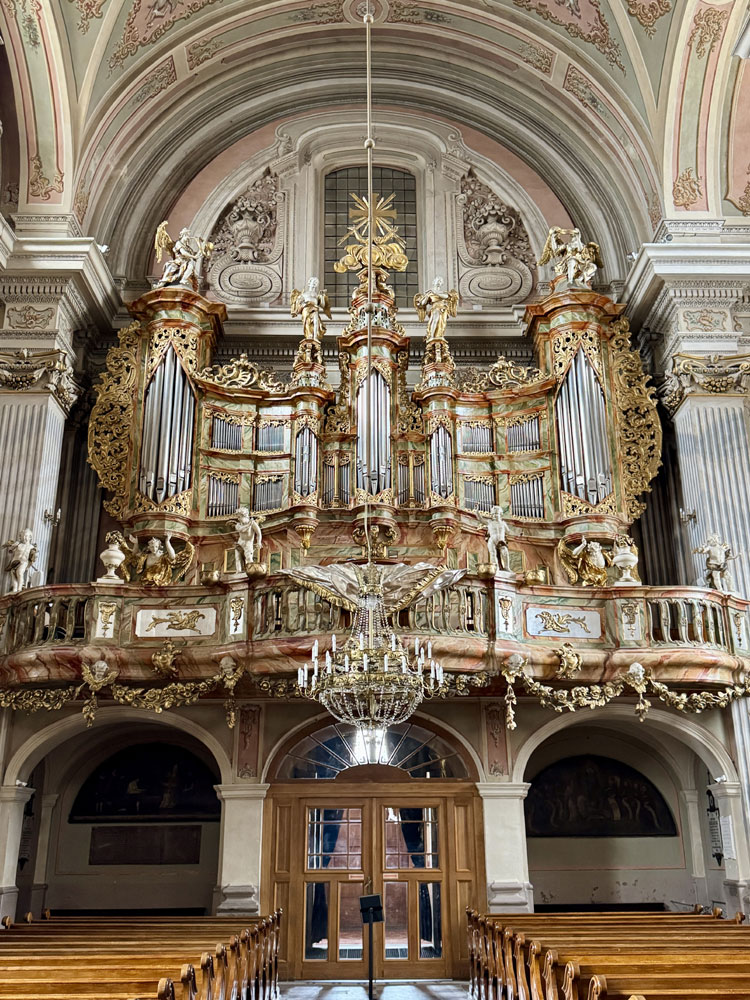
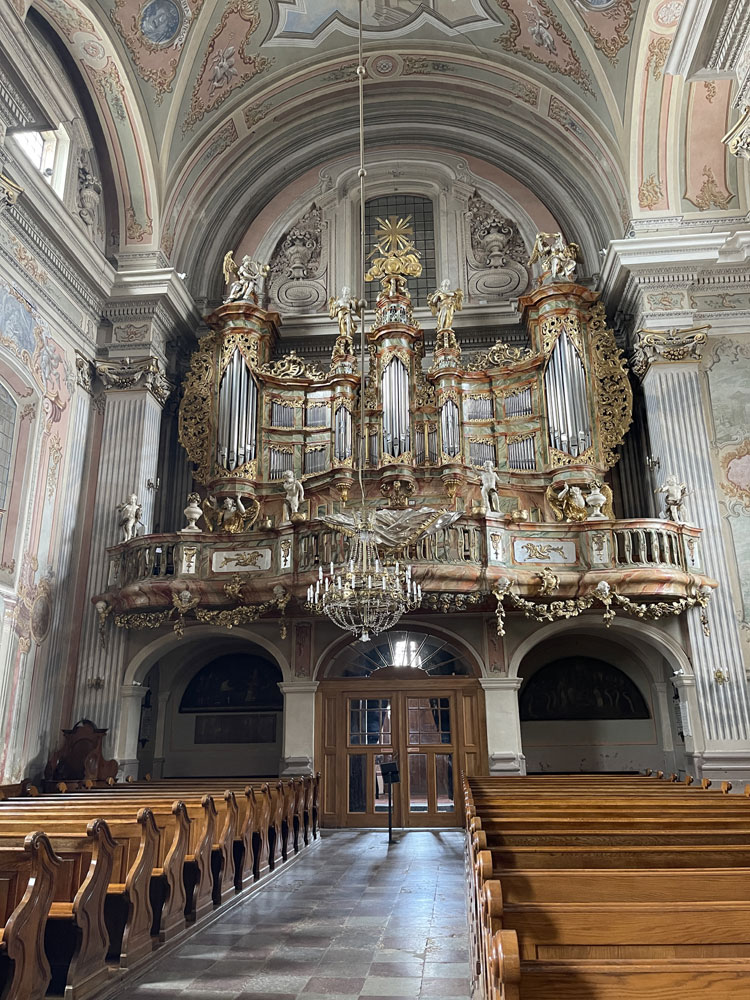
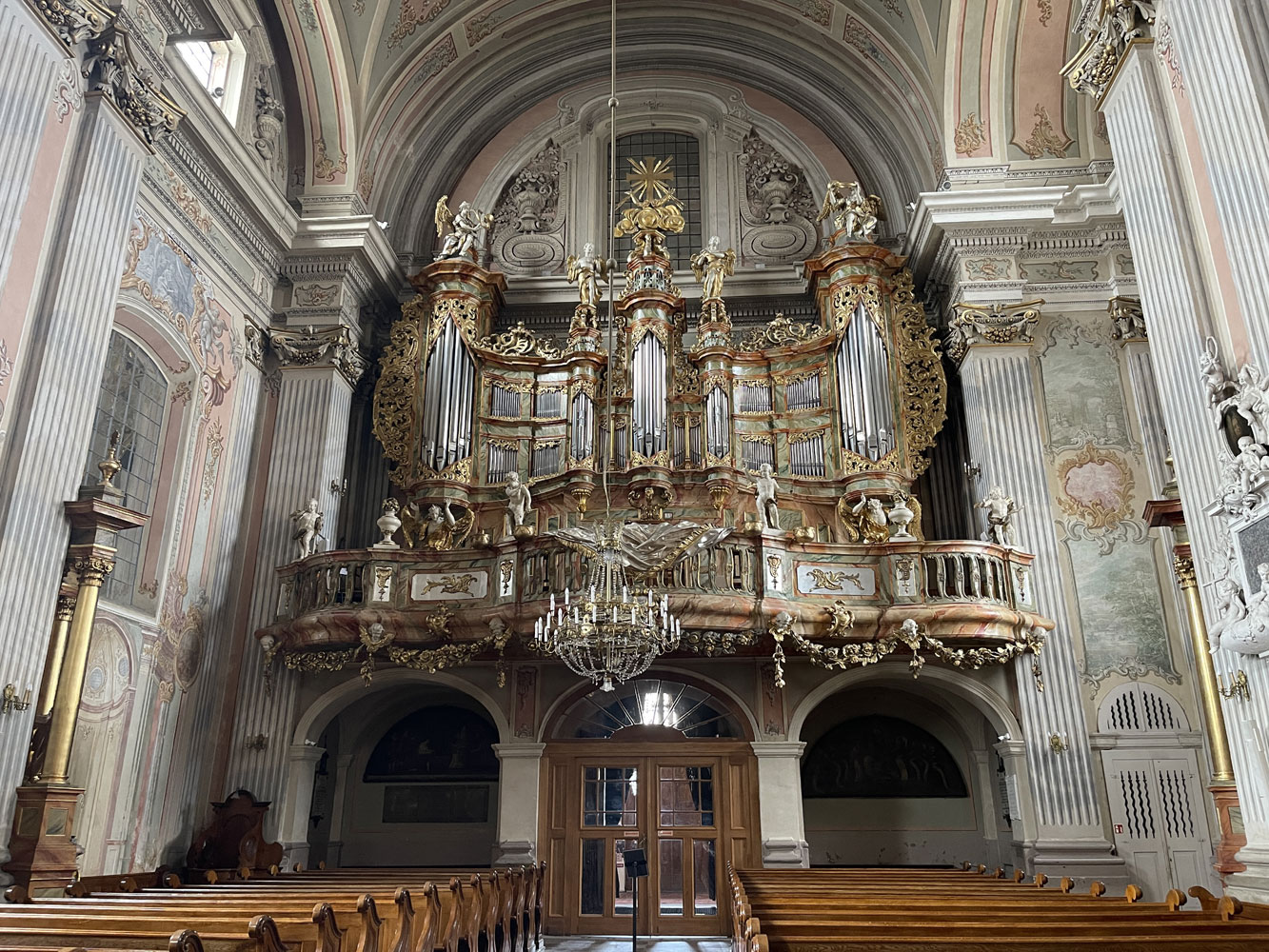
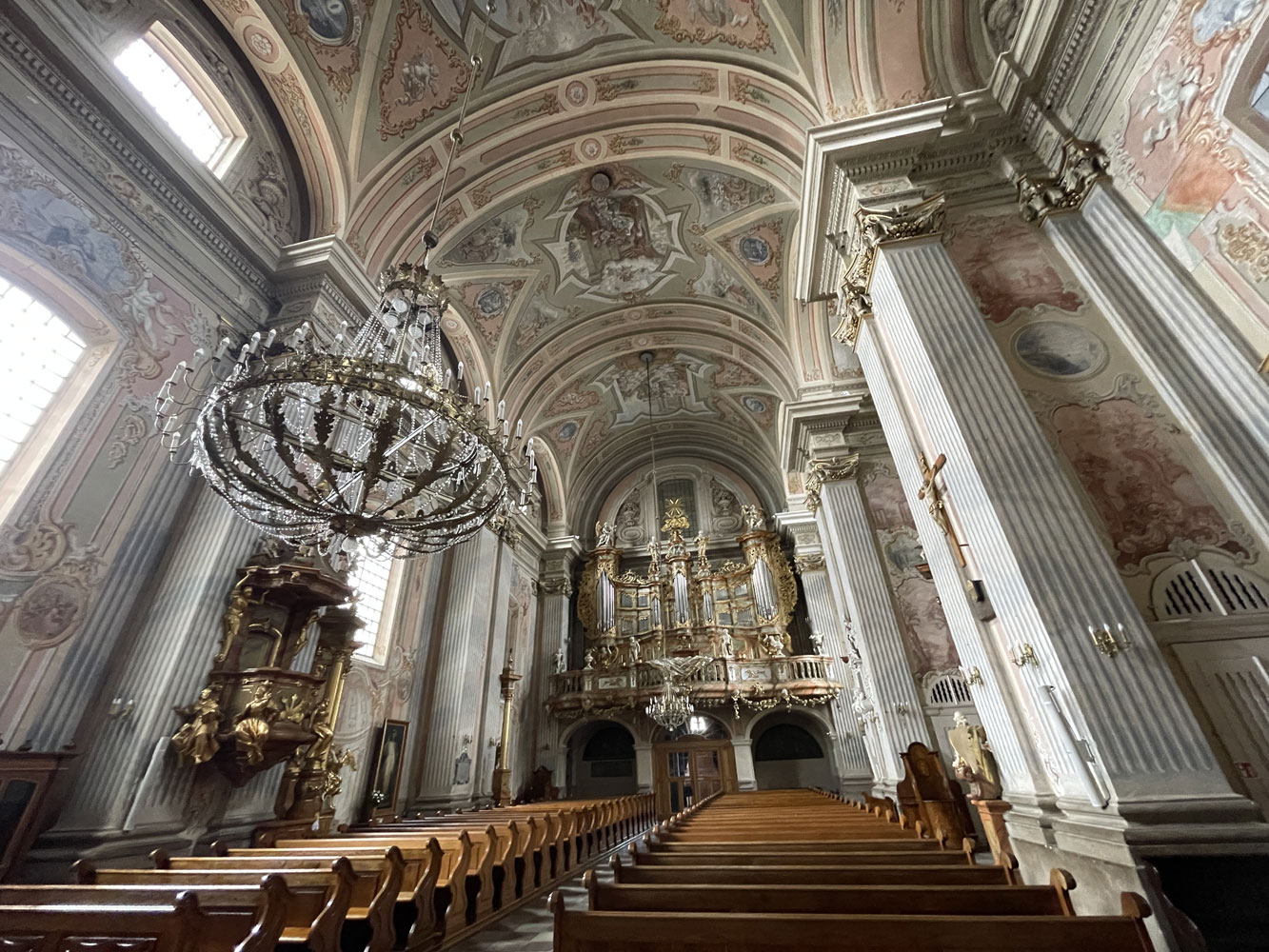
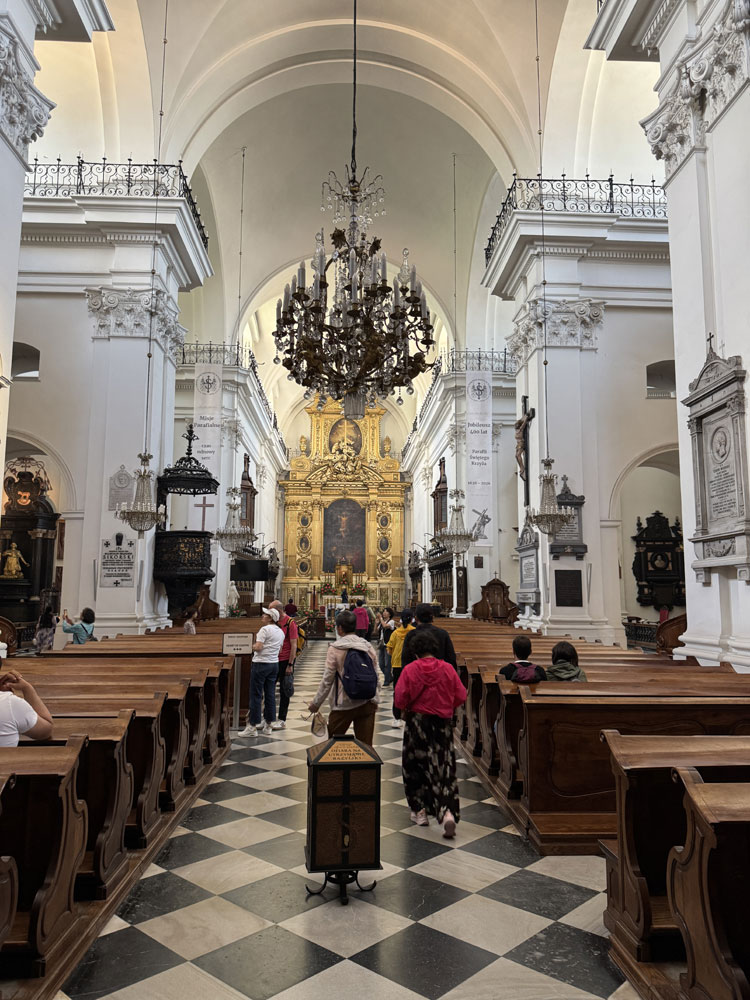
The organ playing in
the church made our visit feel quite special. We think the
piece being played was Chopin Prelude in E Minor. |
|
|
| |
|
| |
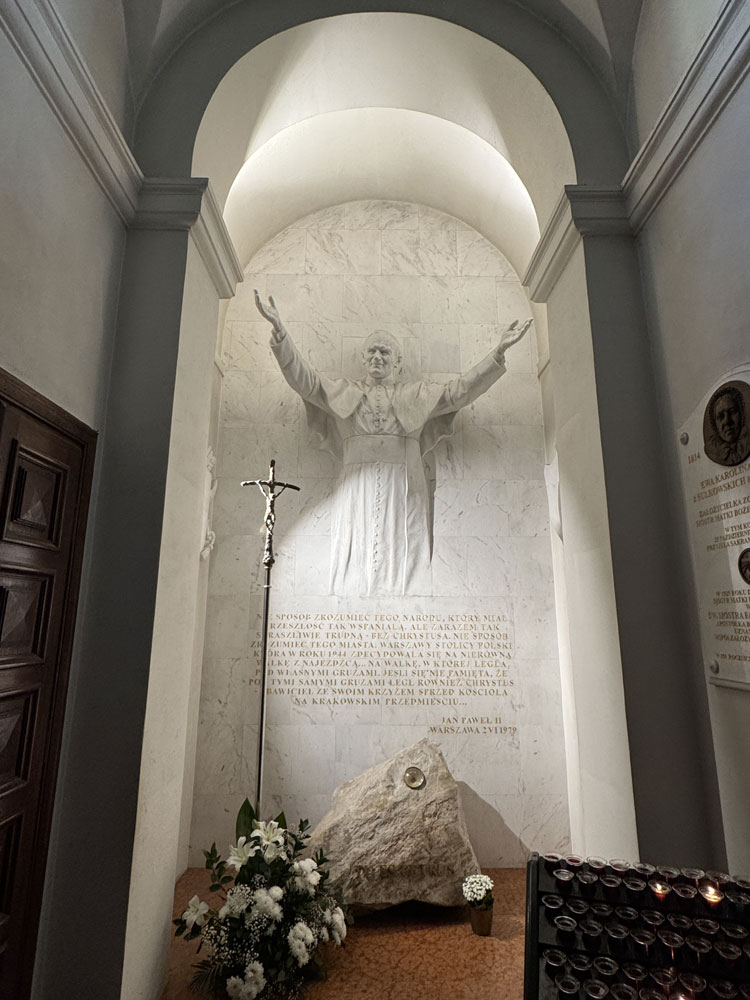
The marble sculpture
is dedicated to Pope John Paul II and commemorates his first
papal pilgrimage to his homeland in June 1979, which significantly
inspired the country's Solidarity movement. |
|
|
| |
|
|
| |
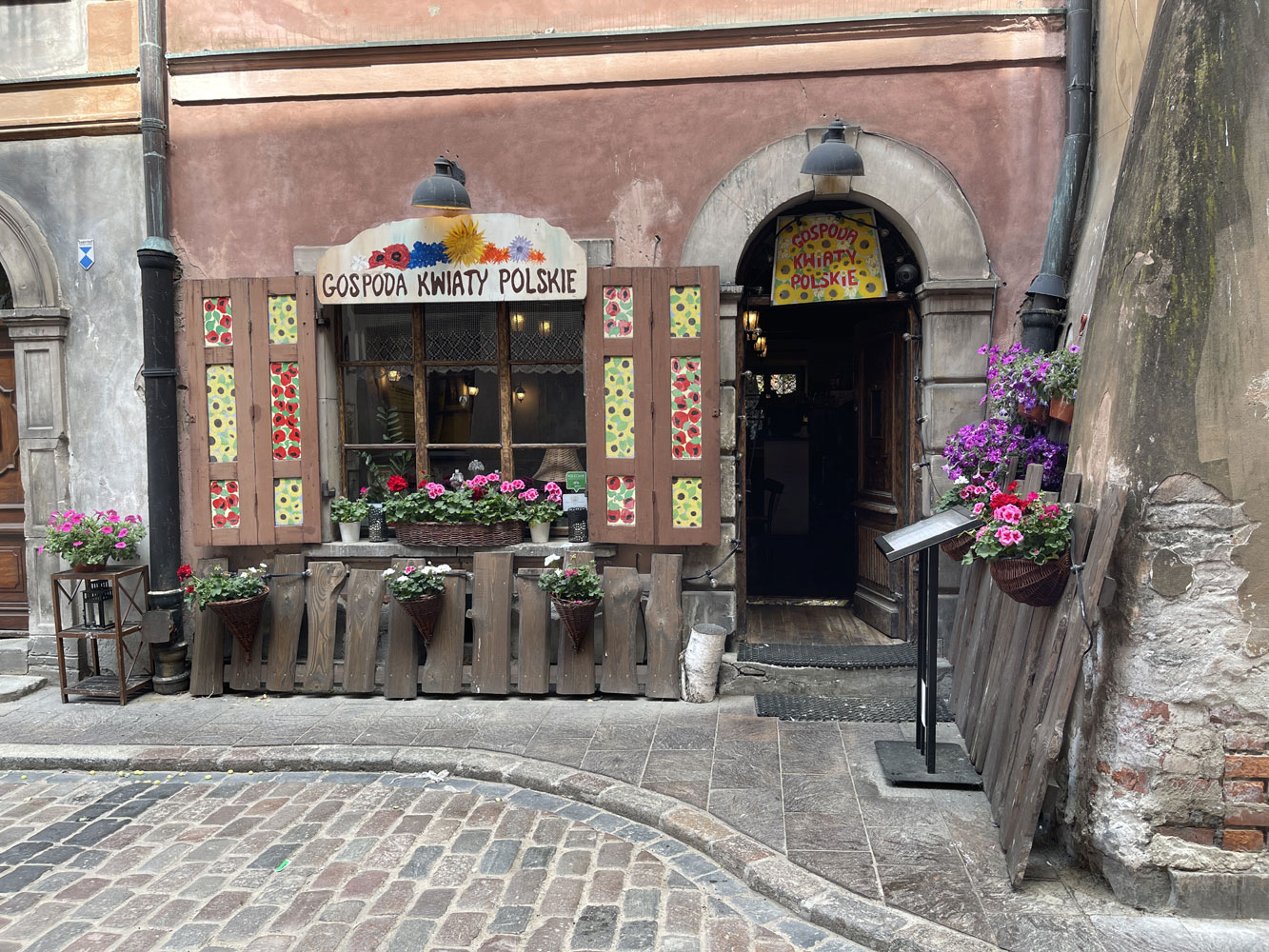
We found our restaurant,
but it was far too early to eat, so we walked back to our
hotel once again. |
|
|
| |
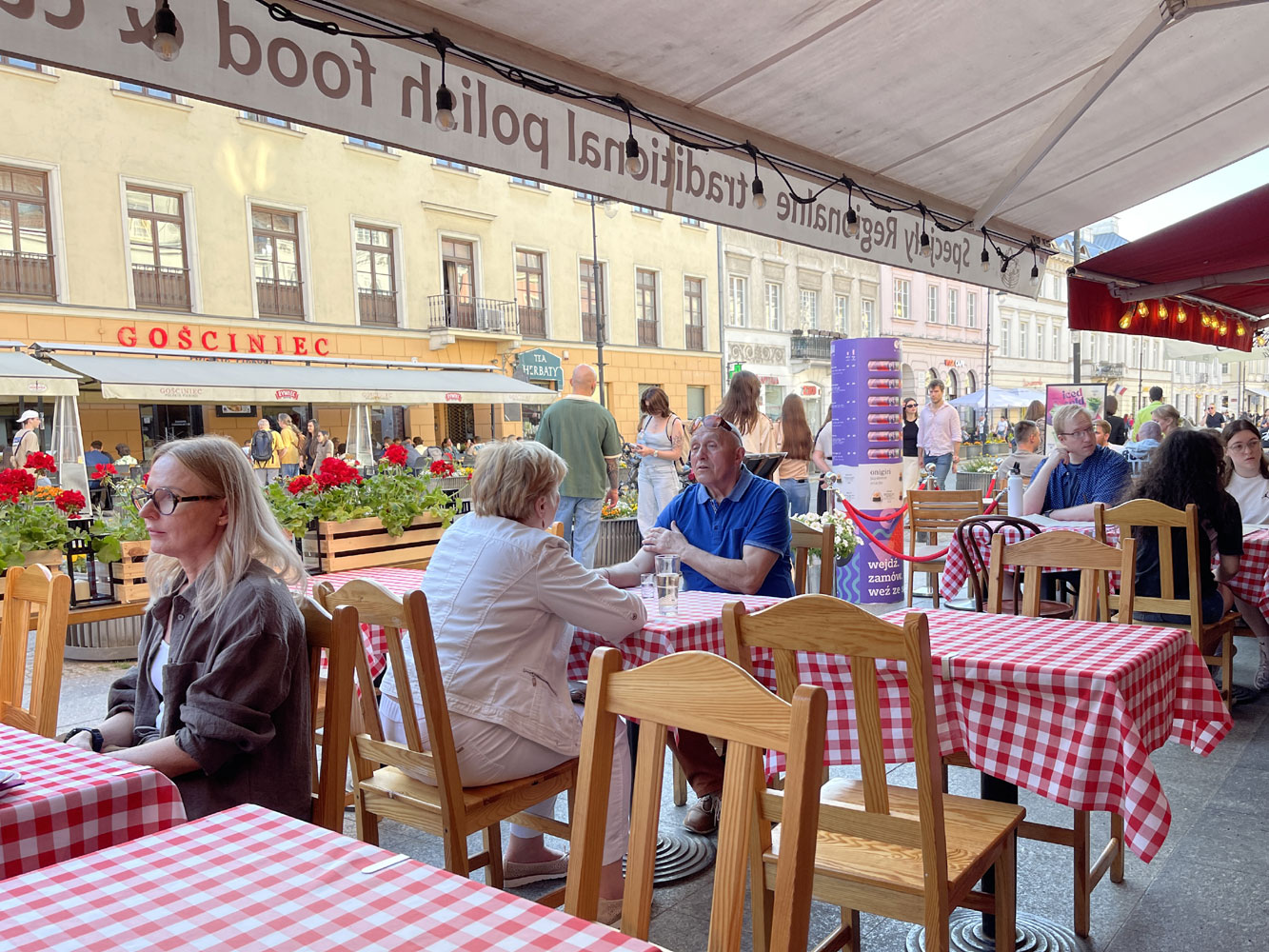
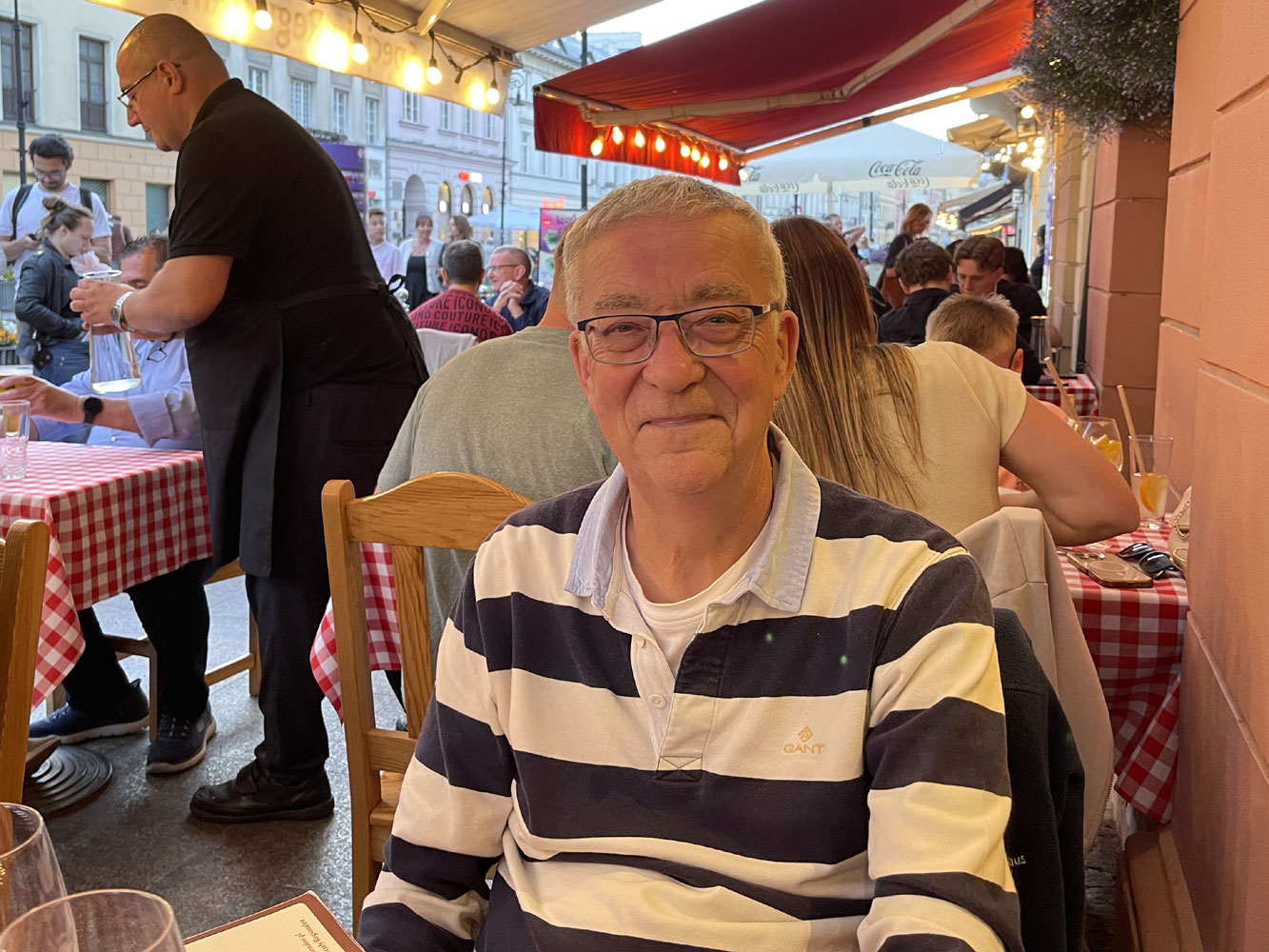
When it was finally time to eat, we set
off once again. By the time we arrived, we were really
hungry after our day of sightseeing and exercise.
|
|
|
| |
|
|
| |
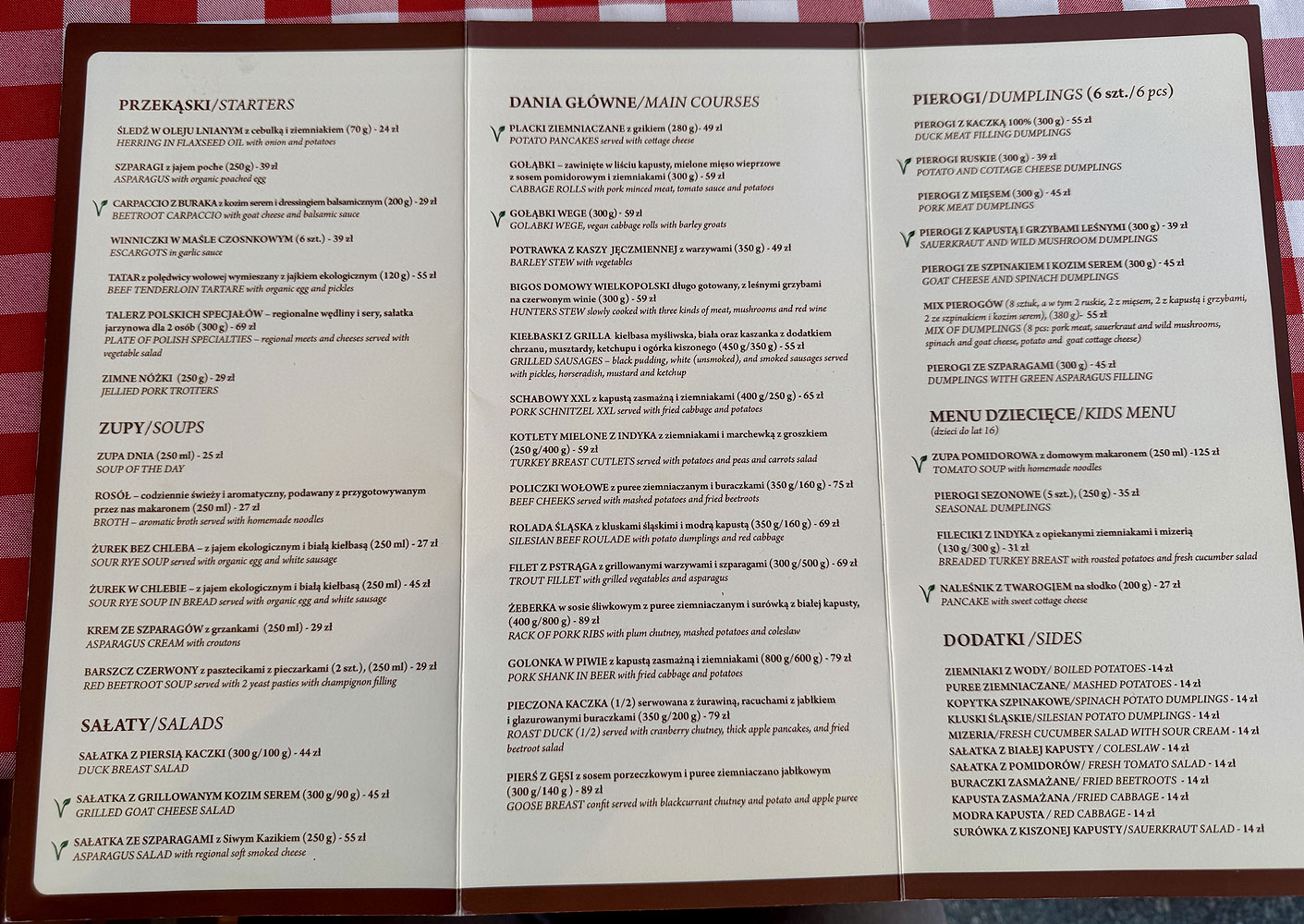
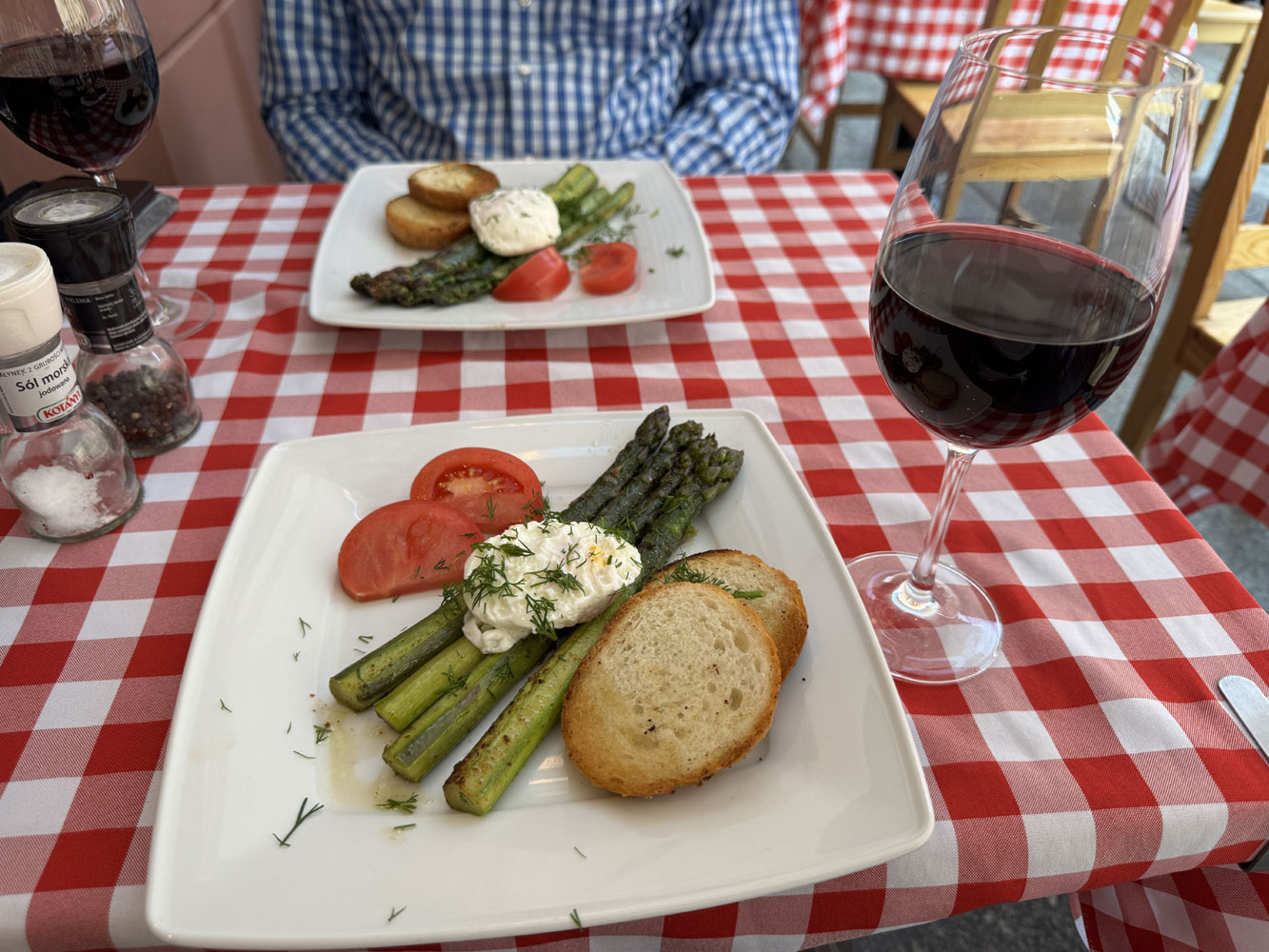
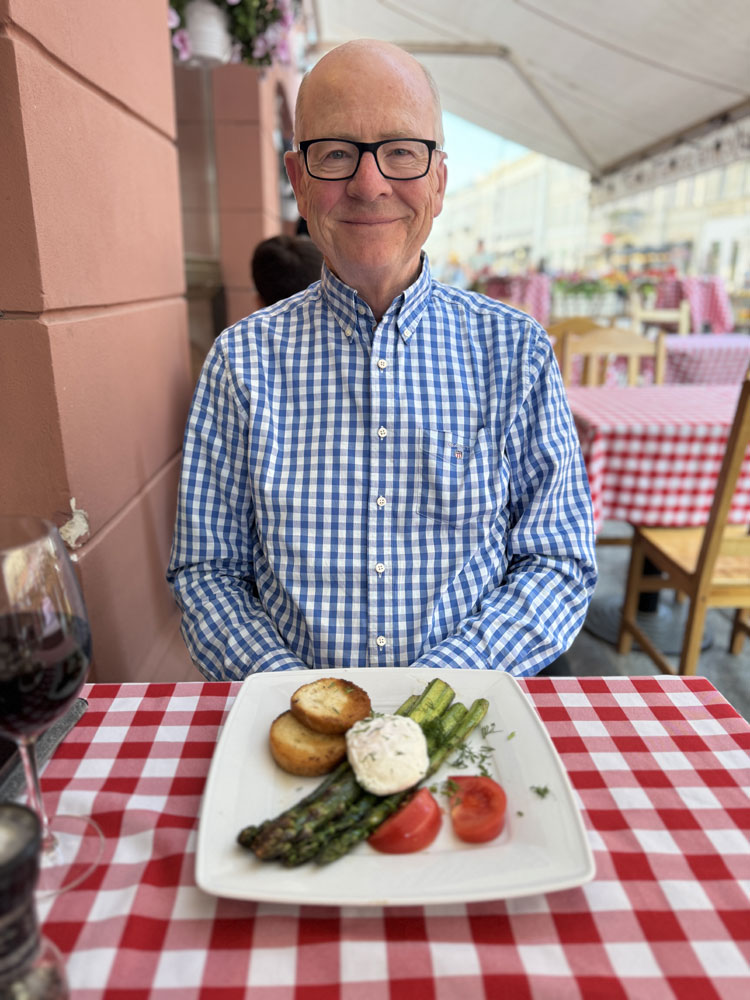
We both chose asparagus
as a starter. It was delicious! |
|
|
| |
|
| |
|
| |
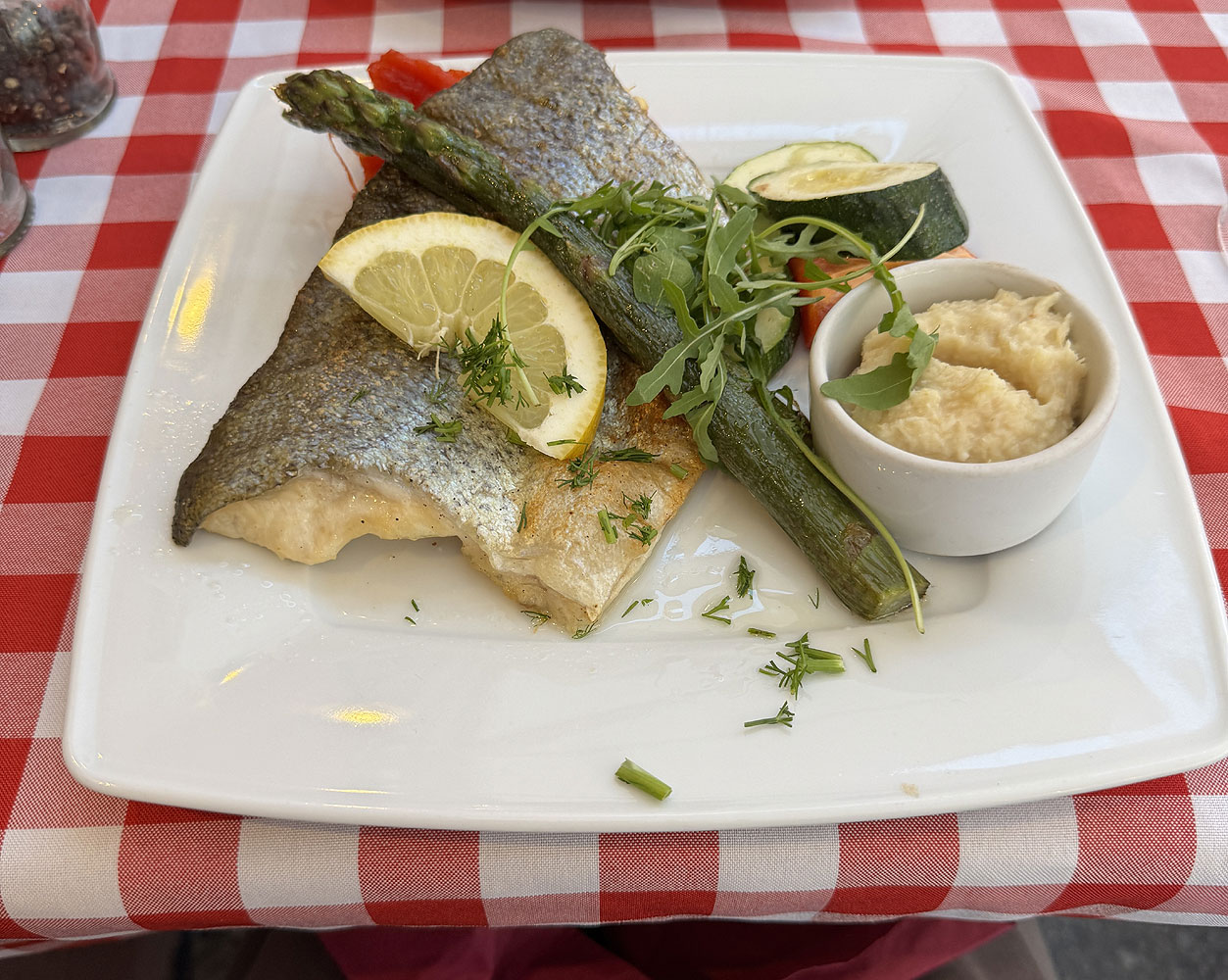
Geoff chose the trout
fillet for his main course... |
|
|
| |
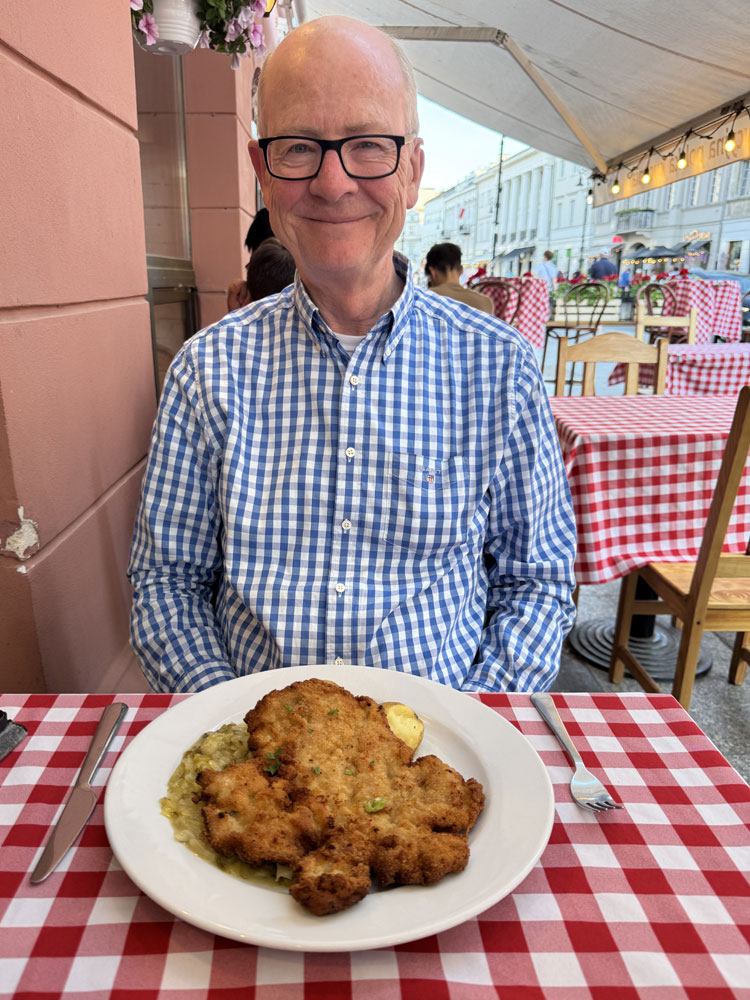
...while Bruce chose
the pork schnitzel, which looked huge! |
|
|
| |
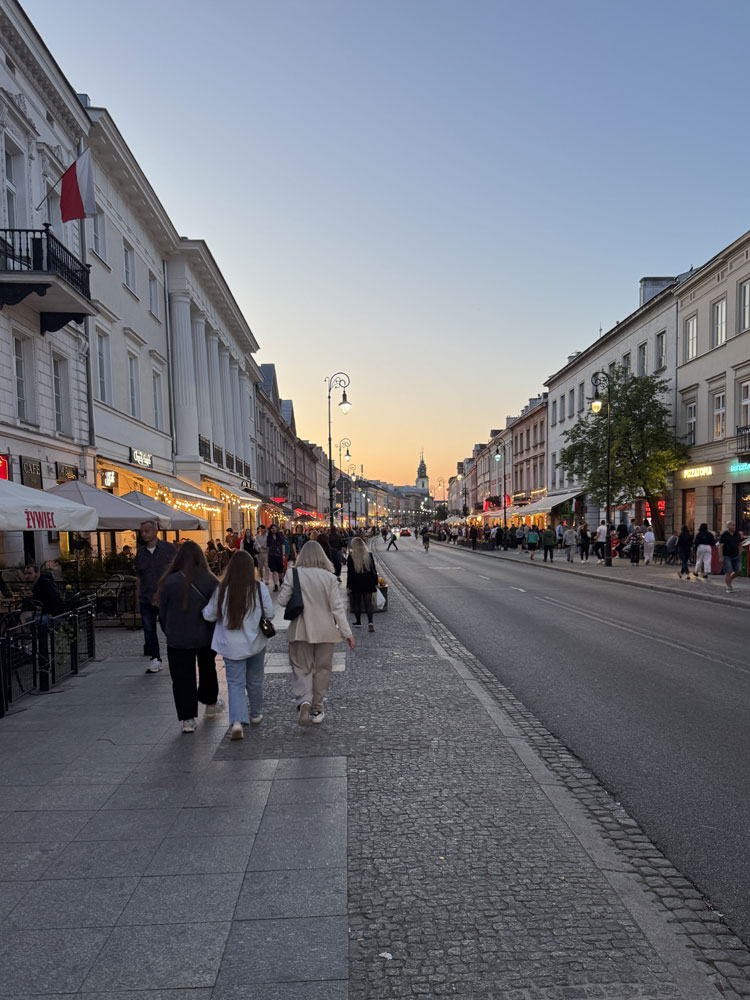
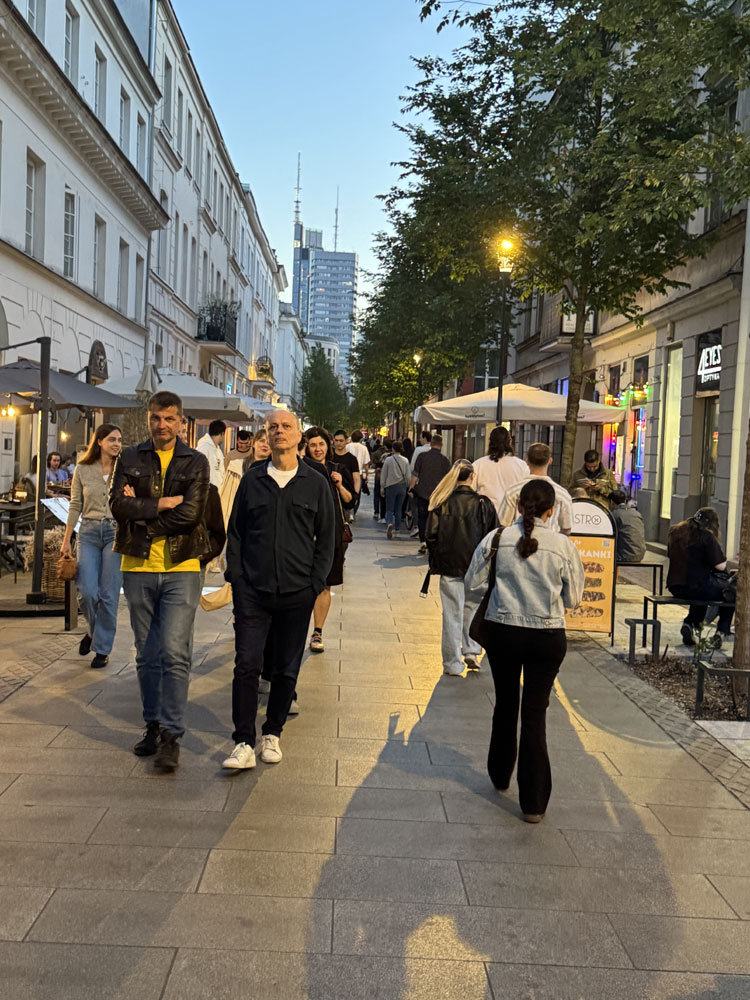
After a very pleasant
evening, we strolled back to the hotel. It was a lovely
balmy evening and lots of people were out enjoying their
Saturday leisure time. |
|
|
|
| |
|
| |
|
| |
|
| |
We knew we were going
to sleep well and looked forward to another day in the city
tomorrow. |
|
| |

|
|